

During a job search, a rejection that labels you “overqualified” can feel upside down. Yet a focused resume should address practical concerns about retention, pay, and your interest in the daily work.
In a competitive job market, a hiring manager may see extensive professional experience. They may worry that an overqualified candidate will leave when a senior opening appears. Your task is to create a focused, truthful job application that makes your choice and career goals clear.
Key Takeaways
- An overqualified resume should reduce concerns about retention, compensation, boredom, and long-term interest in the role.
- Focus your headline, summary, and bullet points on the hands-on work and transferable skills the employer needs now.
- Use a conventional, ATS-friendly format and emphasize the last 10 to 15 years of relevant experience without changing factual employment details.
- Explain your motivation, salary expectations, and interest in the position clearly in your cover letter and interview answers.
- Keep your resume selective but truthful; never alter employers, dates, job titles, credentials, or other required history.
Why hiring managers hesitate to interview experienced candidates
Employers don’t reject experienced people because experience is bad. They may reject uncertainty, especially when experienced candidates apply for junior roles with a lower title, narrower scope, or fixed salary range. During the recruitment process, employers need evidence that candidates understand the day-to-day work.
They worry about turnover and boredom
High turnover costs time and disrupts a team. It can also strain team dynamics. A former director may seem frustrated by routine reporting, customer support, scheduling, or hands-on production work, and may look like a flight risk.
Your resume must show that you understand the actual role. Highlight work you have done personally, not only programs you supervised. Then explain why that work still appeals to you.
Compensation can look like a mismatch
A high-level title can imply salary expectations beyond the role’s budget. If the job posting includes a range you can accept, state that fact in writing or during an early recruiter conversation.
You don’t need to defend your career. However, you do need to remove the gaps in the employer’s story about you.
Build an overqualified resume around the work
For an overqualified candidate, effective resume writing is selective, not deceptive. It presents the experience most relevant to the employer’s needs and leaves out details that distract from the role.
Lead with a role-specific headline
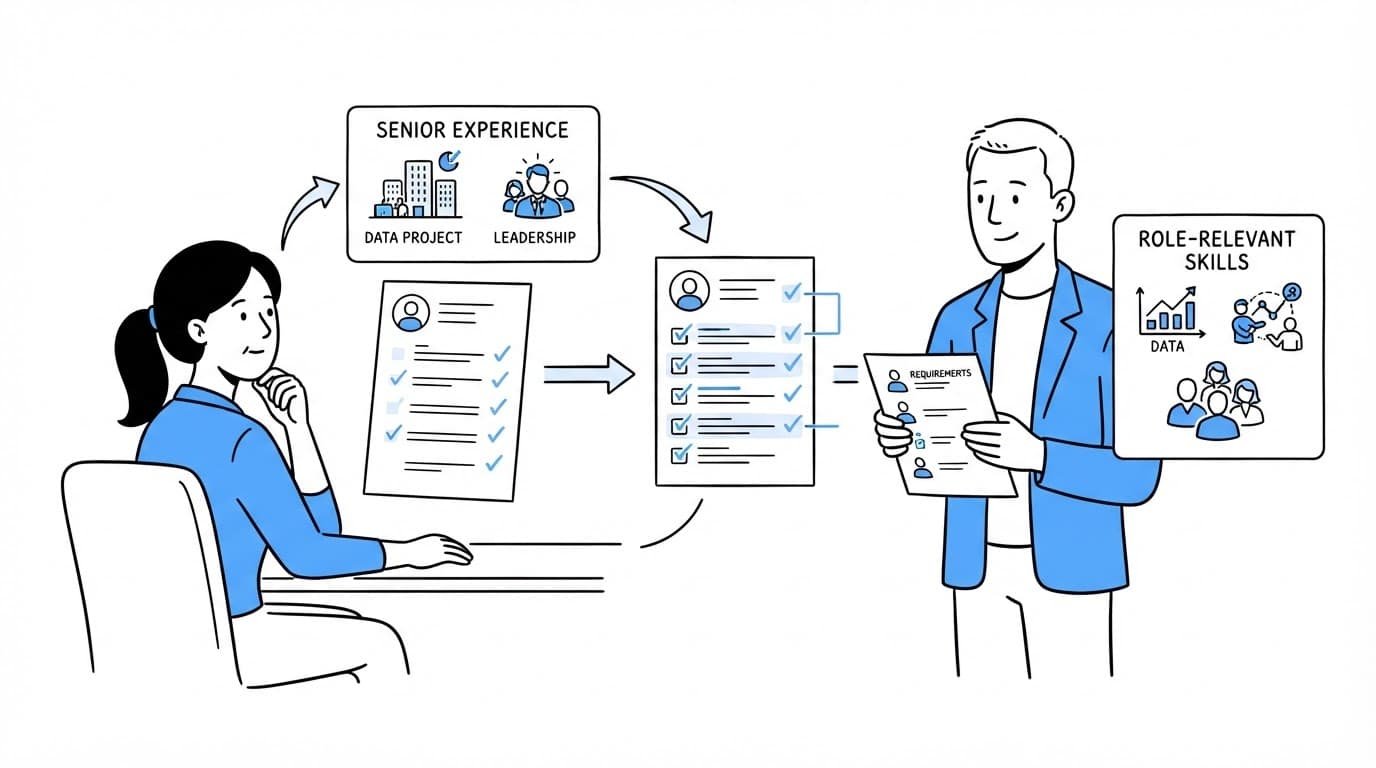
Replace a broad executive identity with a headline that matches the job. For example, “Operations Executive and Transformation Leader” may be less useful for a supervisor role than “Operations Manager | Scheduling, Quality Control, and Team Coaching.”
Keep your official job titles in the work history. A headline is positioning, while a job title is a factual record.
Then make the summary practical. Name the transferable parts of your skill set that matter to this employer, such as customer issue resolution, training, inventory control, reporting, or process improvement.
Rewrite bullets for hands-on contribution
Tailoring a resume means changing the emphasis, not inventing a new career. Compare these two approaches:
- Before: “Directed enterprise-wide operations strategy across multiple business units.”
- After: “Coached frontline managers, reviewed weekly performance reports, and resolved staffing and workflow issues.”
The second version still demonstrates leadership experience. However, it tells a hiring manager that you will perform the work they need now.
Use your AI resume tailoring without exaggerating experience to compare a job description against your actual record. CareerScribeAI’s AI Resume Builder can help identify missing role terms, but review every suggested bullet before using it.
Keep ATS formatting and work history honest
A functional resume may seem like an easy way to soften seniority. Applicant tracking systems often read a conventional reverse-chronological format more reliably. Recruiters may question missing dates.
Use a 10 to 15-year focus
For most applications, detail the last 10 to 15 years of relevant professional background. Earlier roles can appear in a brief “Additional Experience” line without dates, bullet points, or titles that pull focus toward a past executive level.
You can also omit graduation years and unrelated older coursework. Keep licenses, certifications, and degrees when the role requires them.
A resume is a focused marketing document. An employment application or background-check form may require a complete history, and every answer on those forms must be accurate.
Never alter employers, dates, job titles, or credentials. The EEOC’s background-check guidance explains employers’ obligations when they use screening information. A shorter resume can summarize employment history, while an employment application or background-check form may require a complete record. False information creates a far larger problem.
Age bias also affects some experienced job seekers. A 2022 NBER paper on age stereotypes in hiring discusses evidence from correspondence studies on callback rates. Focusing your resume on recent, relevant experience keeps attention on job fit rather than career length.
Explain your motivation in the cover letter
A clear cover letter can prevent a hiring manager from filling in the blanks. State your reason for a career change or step down early, using only reasons that are true.
Give a direct, grounded reason
Avoid vague claims that you are “open to anything.” Instead, connect your decision to your career goals and the work itself.
Whether this is a career transition or a deliberate move toward hands-on work, explain the choice with a specific, truthful reason.
You might write: “I am seeking a hands-on operations role because I enjoy solving day-to-day team and customer problems. The posted schedule works for me. My salary expectations fit the posted range, and I am looking for a long-term position.”
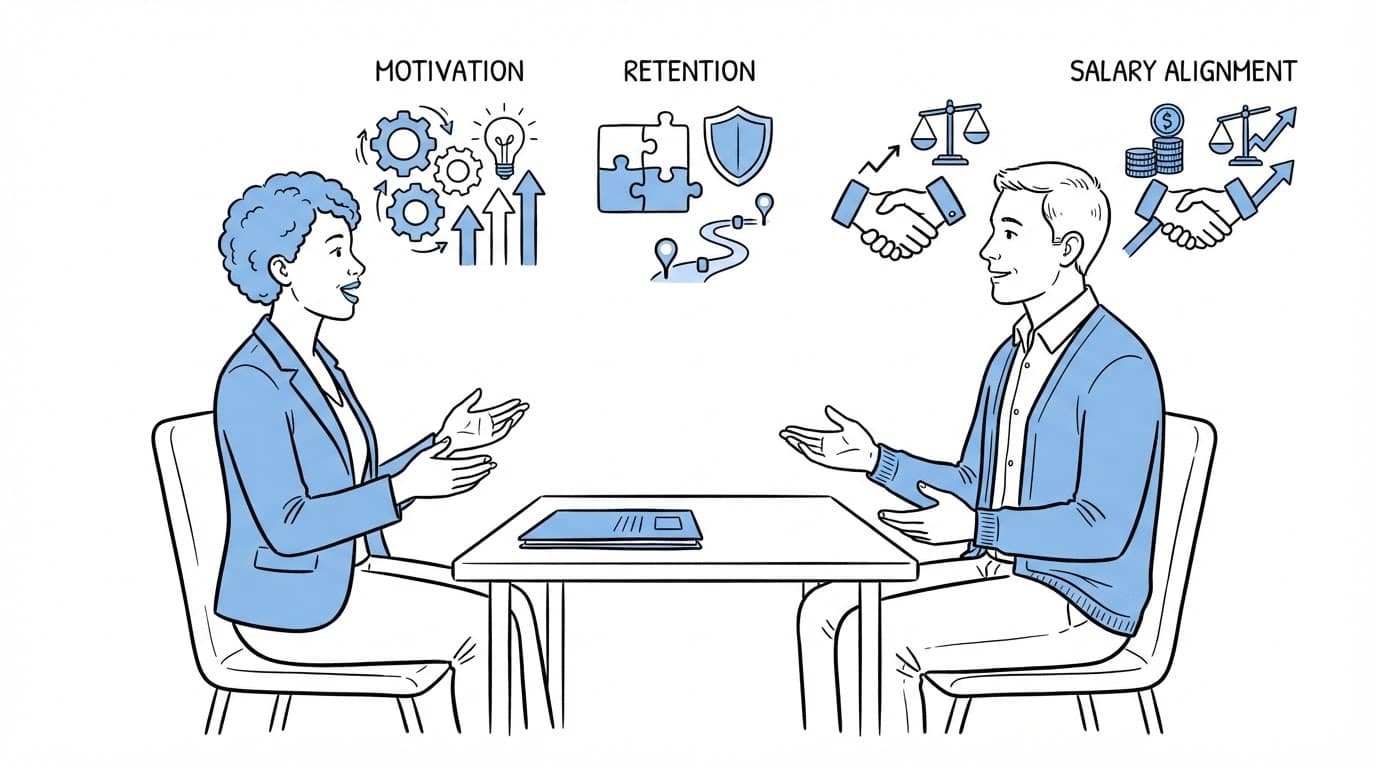
That statement addresses motivation, compensation, and retention in three sentences. It also gives the employer a reason to believe your interest will last.
Keep your interview story consistent
Your resume, cover letter, and interview answers should remain aligned throughout the interview process. If you say you want less responsibility but describe executive ambitions in every answer, the employer will doubt your commitment.
Use the Cover Letter Generator to shape a truthful first draft, then rehearse it with CareerScribeAI’s Interview Prep Tools. The resume walkthrough interview guide can also help you explain your career path without sounding apologetic.
Frequently Asked Questions
Should I hide my senior-level experience on an overqualified resume?
You do not need to hide your experience, but you should focus on the parts most relevant to the role. Keep official job titles and employment details accurate while reducing emphasis on unrelated executive responsibilities.
How should I explain applying for a lower-level position?
Give a direct, truthful reason connected to the work, your career goals, or your preferred schedule. Explain why you want the daily responsibilities and confirm that the compensation and long-term expectations work for you.
How much work history should an overqualified resume include?
For most applications, detail the last 10 to 15 years of relevant professional experience. Earlier roles can be summarized briefly, especially if older titles would distract from your fit for the current position.
Should I mention that I am willing to accept a lower salary?
If the job posting includes a salary range you can accept, address that fact in writing or during an early recruiter conversation. This helps reduce concern that your experience implies compensation expectations beyond the role’s budget.
Can I use a functional resume to appear less overqualified?
A conventional reverse-chronological resume is usually more reliable for applicant tracking systems and easier for recruiters to review. A functional format may raise questions about missing dates, so use selective content rather than hiding your work history.
A focused resume creates a credible choice
An overqualified resume should make your current goal easy to understand. Focus on relevant experience, show your willingness to do the daily work, and state your compensation and long-term interest honestly.
For an overqualified candidate, this focused story shows that relevant experience supports the role instead of overshadowing it. It also addresses concerns about high turnover by showing durable interest in the position. A clear, targeted story gives employers fewer reasons to make incorrect assumptions.