

A resume can reveal far more than your ability to do the job when it carries decades of unnecessary detail. For older workers and mature job seekers, the goal of a resume after 50 is to foreground current capability, relevant skills, and accomplishments, not conceal or misrepresent age.
During a job search, present your strongest evidence of current value for today’s job market. Show career depth without leading with your entire career chronology, and keep the focus on what you can deliver now.
Hiring decisions should focus on capability. Still, the Age Discrimination in Employment Act protects workers age 40 and older because age bias can occur. A focused, current resume gives employers fewer irrelevant signals and more proof of what you can deliver.
Key Takeaways
- Focus your resume after 50 on current capabilities, relevant skills, and measurable accomplishments rather than your entire career chronology.
- Use an age-neutral, ATS-friendly format with a professional summary, clear headings, consistent dates, and simple design.
- Emphasize results, promotions, current technology skills, and transferable value instead of listing only job duties.
- Keep older experience, employment gaps, and LinkedIn details concise, truthful, and relevant to the target role.
Build an Age-Neutral Resume That Feels Current
An age-neutral resume directs attention toward results, relevant experience, and current skills. For older workers, it isn’t about hiding your age or diminishing a long career. It edits older details that no longer help an employer assess your fit.
Use a professional email address with your name, such as firstname.lastname@gmail.com. Keep that email address clear and name-based, and include only relevant contact information. Skip birth years, full street addresses, and references available on request. These items take space and can date the document.
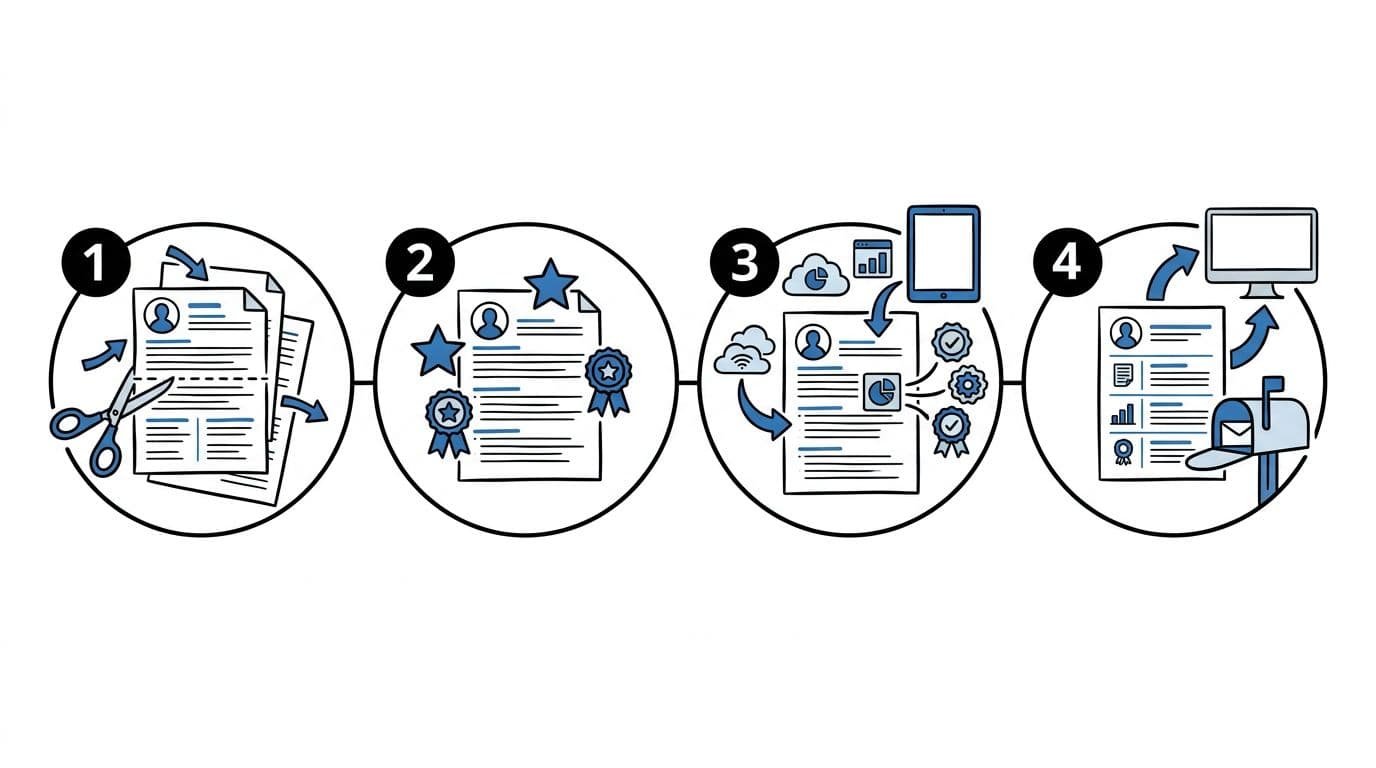
Remove dates that do not strengthen your case
Degree and certification names remain useful, but leave off graduation dates when they don’t strengthen the application or aren’t required. The same principle applies to roles from the earliest part of your career.
Most job seekers should feature the past 10 years of work history. Keep older roles prominent when they directly support the target position. Otherwise, a concise “Earlier Experience” line can acknowledge earlier leadership and expertise without dates or extensive bullets. For example:
Earlier experience includes operations leadership and client services roles in financial services.
This approach preserves your career story while putting the strongest, most current evidence first.
Open with a professional summary
Replace an outdated objective with a three- or four-line professional summary. Name your current scope, specialty, measurable outcomes, and transferable value.
A customer service leader might write: “Operations manager leading high-volume service teams, improving quality scores by 18% and cutting response times by 30%.” The statement signals leadership and training value that transfers across customer-focused operations.
Choose a Modern Resume Format That Parses Cleanly
For candidates whose recent experience is relevant, a reverse-chronological resume is usually the most reliable resume format. It starts with your current or most recent position, then works backward. This reverse-chronological resume is easy for recruiters and software to scan.
Keep the design simple for applicant tracking systems
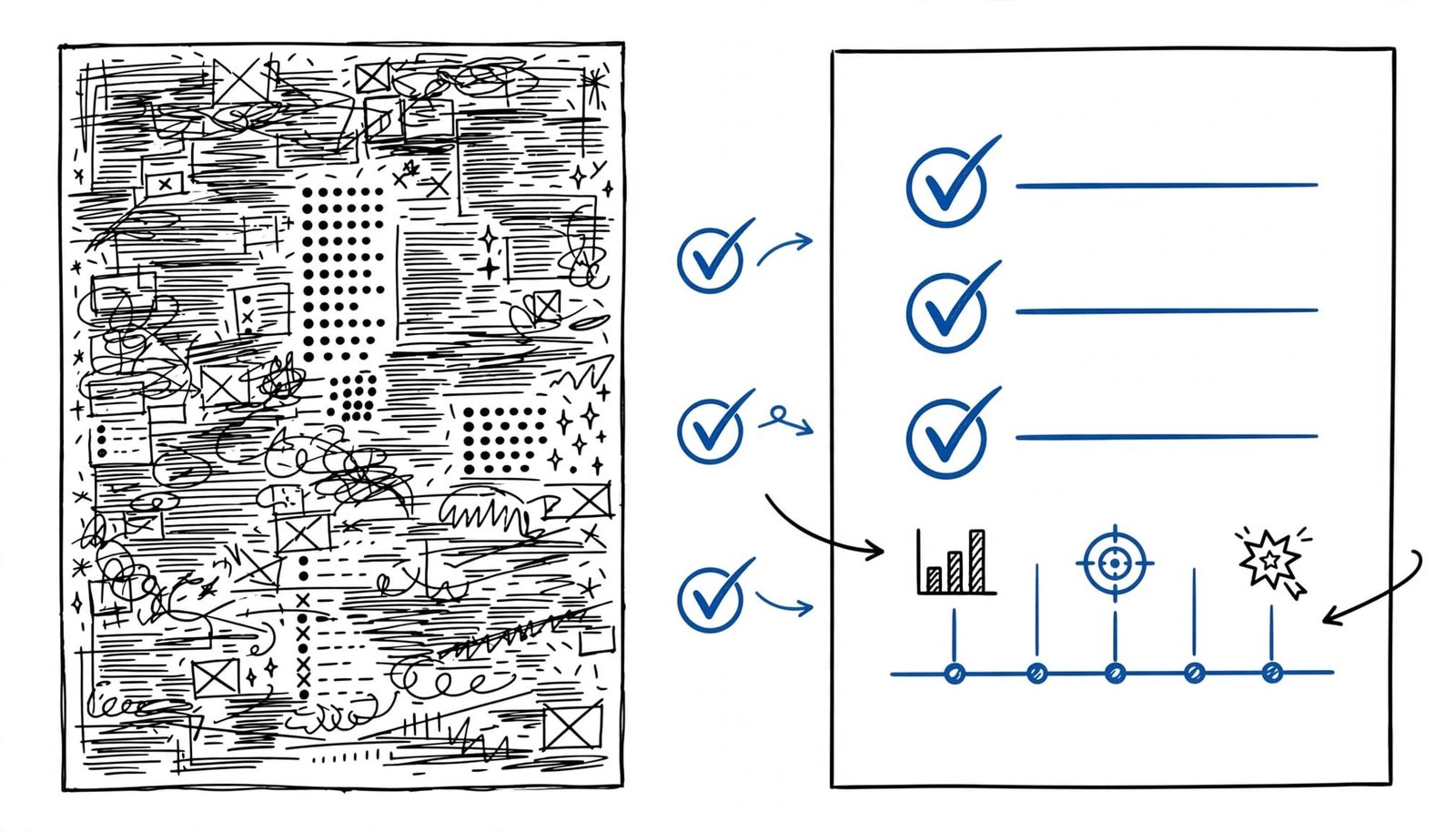
Applicant tracking systems extract text, job titles, dates, and skills from uploaded documents. Complex columns, text boxes, charts, headers, and decorative icons can scramble that information. Santa Clara University’s ATS formatting guidance also warns that inconsistent date formats can create parsing errors.
Use clear headings such as:
- Professional Summary
- Core Skills
- Professional Experience
- Education
- Certifications
Choose a common font, use one date style throughout, and submit a Word document when the application requests one. A PDF is often fine, but follow the employer’s instructions.
Match language without copying the job ad
Read the posting closely and use its real terminology where it accurately describes your background, but focus on truthful alignment rather than copying the advertisement. Pair those terms with strong action verbs from your own experience. If a role calls for “project coordination,” don’t write only “managed projects” when coordination was a core part of your work.
CareerScribeAI’s AI Resume Builder uses artificial intelligence to compare a resume with a job description and identify potentially relevant terms. It can’t verify your experience, so keep the final wording candidate-controlled and accurate. Keywords may get your resume read, but your experience must support them in an interview.
Put Career Accomplishments Ahead of Job Duties
Long experience becomes an advantage when a resume shows outcomes instead of duties. Hiring managers look for evidence of judgment, adaptability, growth, performance, and results.
Turn a duty such as “Responsible for staff training” into a measurable accomplishment: “Trained 28 service representatives on a new intake process, cutting average onboarding time by two weeks.” Begin bullets with precise action verbs such as led, improved, trained, reduced, or coordinated. Use numbers only when you can substantiate them, and never invent metrics.
Frame long tenure as progress
A 15-year stretch at one company can show loyalty, adaptability, and growth. Break it into promotions or distinct roles when your responsibilities changed.
For instance, list “Regional Sales Manager, 2018 to 2026” above “District Sales Manager, 2011 to 2018.” Place your strongest bullets under the position most relevant to the target job. This structure shows advancement without forcing a recruiter to hunt for it.
Make current resume skills visible
Make tech skills easy to find by creating a targeted skills section near the top half of the page. Include current tools you’ve genuinely used, such as Microsoft 365, Google Workspace, Zoom, Slack, Salesforce, Excel, Teams, or industry software.
Show each tool in context through an accomplishment bullet instead of creating a generic software inventory. Don’t list platforms you haven’t used recently. For a remote role, mention virtual collaboration, online reporting, and project tools only when they support the target position.
Address Employment Gaps and Strengthen Your Online Profile
A gap doesn’t need a lengthy explanation on your resume. Briefly label meaningful work that kept your skills active, including consulting, caregiving, volunteering, coursework, or professional certificates.
State the gap plainly, then return to value
Use an entry such as “Career Break, 2023 to 2024” when it clarifies the timeline. One line is enough: “Provided full-time family caregiving while completing Google Workspace and Excel training.”
Avoid apologetic language. During an interview, give a concise explanation, then return to your readiness and recent work. CareerScribeAI’s Cover Letter Generator and Interview Prep Tools are optional aids, but your explanation and experience remain central.
Treat LinkedIn as part of the application
Your resume and LinkedIn profile should agree on job titles, dates, and accomplishments. Add a role-relevant headline and a concise About section that reflects your target position. Use an authentic, current professional image when it fits platform and industry norms. LinkedIn discusses profile credibility in its profile guidance.
Use LinkedIn to show professional activity that may not fit on a one-page resume, including certificates, volunteer leadership, recommendations, and industry groups.
Frequently Asked Questions
Should I include my graduation year on a resume after 50?
You can leave off graduation dates when they do not strengthen your application or are not required. Keep the degree or certification name if it supports your qualifications.
How many years of work experience should I include?
Most job seekers should feature the past 10 years of work history. Include older roles when they directly support the target position, or summarize them in a brief “Earlier Experience” section.
What resume format works best for older workers?
A reverse-chronological resume is usually the most reliable format when your recent experience is relevant. Use a simple, readable design with standard headings so recruiters and applicant tracking systems can scan it easily.
How can I show that my skills are current?
Create a targeted skills section and mention current tools you have genuinely used, such as Microsoft 365, Salesforce, Zoom, or industry software. Reinforce those skills with accomplishment bullets that show how you used them to produce results.
Put Relevance Before History
A strong resume after 50 is concise, current, and grounded in proof. For your job search, prioritize achievements from the past 10 years. Keep older experience when it directly supports your target role.
Experience remains valuable for older workers when it connects clearly to the role’s current needs. Use an age-neutral resume to show present-day value. The most useful resume tips are simple: highlight specific accomplishments and use action verbs.