


Most candidates know this question is coming during a job interview, yet many still freeze when it lands. The problem is not stress itself, but rather the way interview anxiety causes people to stumble. The issue is that a weak answer can make you sound either overwhelmed or unreal.
If you need to explain how you handle stress in an interview, your goal is simple. You must show that you can effectively perform under pressure without compromising your judgment, your communication, or your work.
Key Takeaways
- Acknowledge reality: Avoid claiming you never feel stressed, as this sounds disingenuous to hiring managers who are looking for self-awareness and professional maturity.
- Focus on process: Employers are less interested in the stress itself and more interested in your repeatable methods for prioritizing tasks, managing time, and maintaining clear communication under pressure.
- Use the STAR method: Structure your answer by setting the scene, explaining your responsibility, detailing your specific actions, and concluding with a measurable, positive result.
- Keep it professional: Ensure your examples remain grounded in workplace challenges—such as shifting deadlines or complex projects—rather than focusing on personal stress-relief habits.
What employers want from your stress answer
Hiring managers aren’t asking whether stress exists in your life. They already know it does. They are evaluating your stress management skills to see how you perform when deadlines pile up, priorities shift, or unexpected challenges arise in a fast-paced work environment.
A strong answer shows self-awareness and control. It proves you can notice pressure early, respond in a useful way, and keep moving without creating more problems for the team. While some candidates mention practices like mindfulness techniques or physical activity to maintain their work-life balance outside of the office, the focus during a professional assessment should be on your workplace actions.
Interviewers don’t expect zero stress. They expect steady decisions under pressure.
That means your answer should show a few things at once. First, you can name what triggers stress for you. Next, you have a repeatable way to respond. Finally, you can point to a result.
Bad answers usually fail in one of two ways. Some people say, “I don’t get stressed.” That sounds naive. Others describe chaos for a full minute, but never explain what they did.
The best answers stay grounded in work. For example, talk about tight deadlines, a heavy workload, a system failure, or a difficult client. Then show how you prioritized, asked for clarity, adjusted your plan, and followed through.
If you want a solid baseline, Indeed’s guide to answering the stress question makes the same core point. Employers want clear thinking, not drama. For competency-based examples, Clevry’s stress interview questions and answers also shows why real scenarios work better than abstract claims when you are preparing for a job interview.
A simple framework that works in 2026
The easiest way to handle this common behavioral interview question is to tell one short, concise story. In 2026, that matters even more, because hiring teams hear polished, generic answers every day.
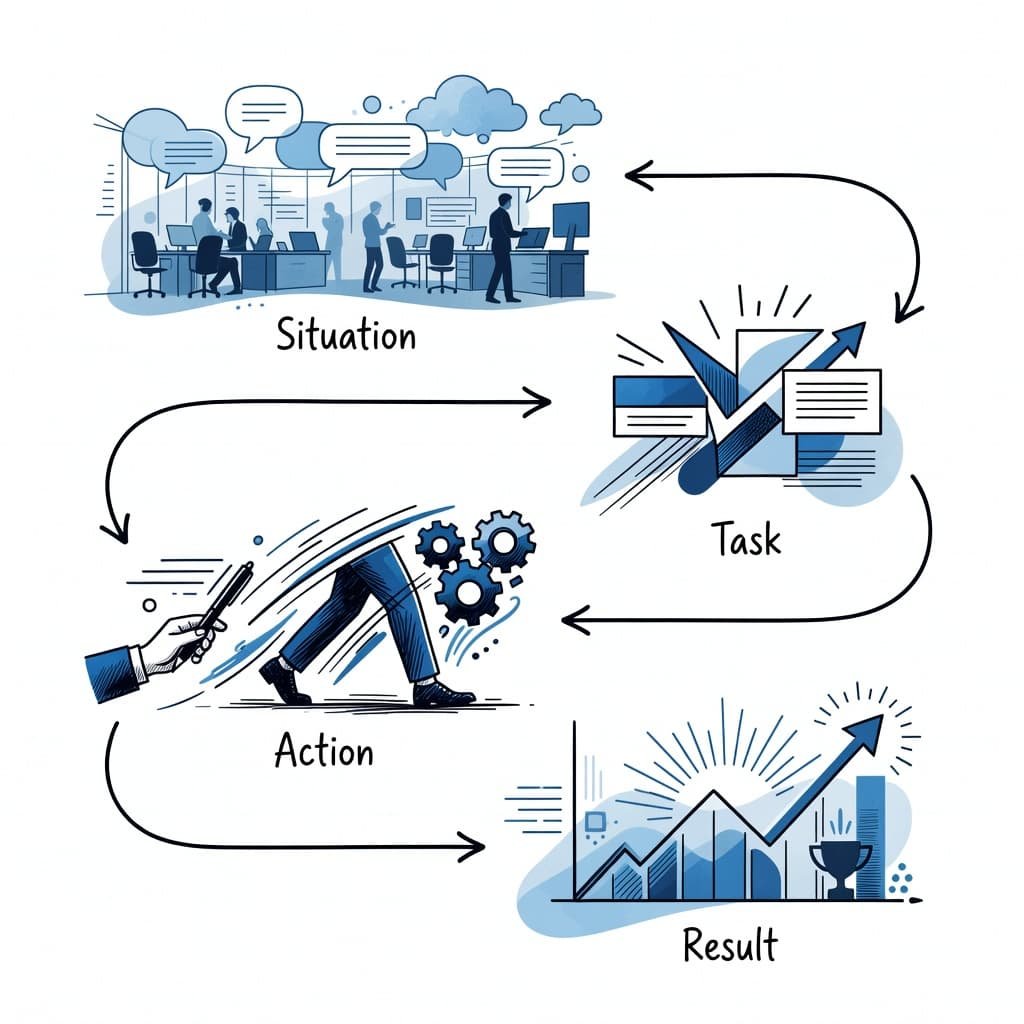
Use the STAR method, but keep it tight.
- Set the scene in one sentence, and name the pressure clearly.
- Explain your responsibility, so the interviewer knows what was on you.
- Describe the actions you took, especially how you focused on prioritizing tasks and applying effective time management.
- End with the result, and include what improved because of your response.
Most answers should last 45 to 90 seconds. That is long enough to sound real, but short enough to stay sharp.
Focus on habits, not heroics. Strong candidates do not present themselves as machines. They show that they pause, sort, communicate, and act.
CareerScribeAI’s Interview Prep Tools can help you practice this kind of answer during a mock interview with predicted questions and STAR-based frameworks. Its AI Resume Builder and Cover Letter Generator also help you line up your best examples with the job description, so your interview stories match the role you applied for.
If this question comes up during an early recruiter call, the winning phone screen answers guide is also useful. It helps you keep your examples short and easy to follow for your next job interview.
Sample interview answers that sound believable
Effective sample answers sound ordinary in the best way. They demonstrate repeatable habits that employers trust, and providing a real-life example of your methodology is the most impactful way to frame your response. Using these sample answers as a template will help you construct a narrative that highlights your professional growth.
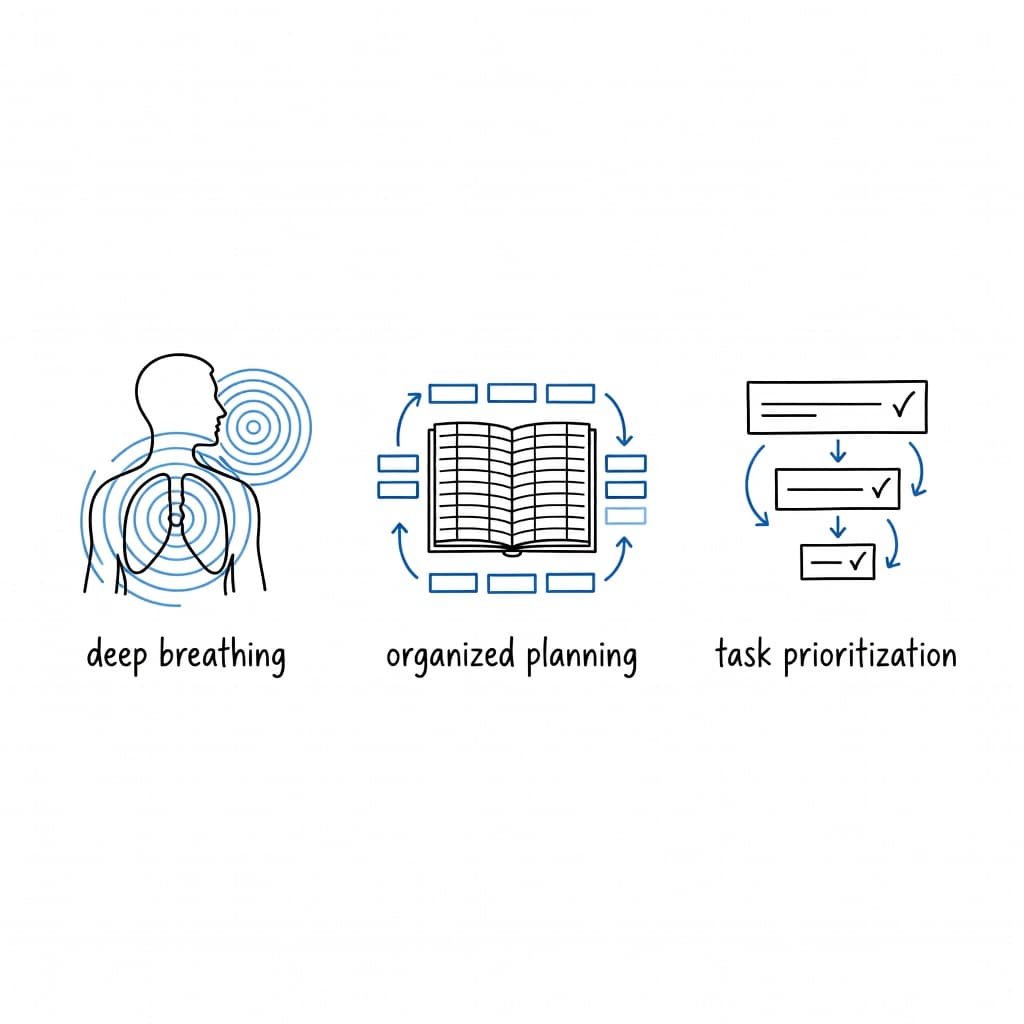
A few mistakes will hurt you fast:
- Claiming you never feel stress.
- Telling a long story with no clear action.
- Sounding proud of last-minute chaos.
Entry-level sample answer
“When work gets stressful, I focus on prioritizing tasks to separate what is urgent from what can wait. In my last internship, two managers needed updates on the same day while I was finishing a report. I listed deadlines, confirmed priorities with both of them, and blocked focused time to finish the report first. I sent quick status updates, met both deadlines, and avoided rework, which led to a positive outcome for the entire project.”
This works because it shows judgment, clear communication, and a calm, organized process.
Experienced professional sample answer
“I handle stress by getting clear on the problem, then reducing noise for the team to encourage better team collaboration. In my last role, a client escalated an issue during a product launch week. I had to stay calm under pressure while using my problem-solving skills to gather the facts. I assigned one owner to each action and set specific update times so my colleagues were not reacting to every message. By leveraging strong communication skills and personal resilience, we solved the issue that day, kept the launch on schedule, and the client renewed the account, which was a positive outcome for the firm.”
This version works because it sounds measured. It also shows leadership without sounding theatrical.
If you’re facing a panel, expect follow-up questions about the same story from different angles. In that case, the panel interview preparation guide can help you prepare concise examples that hold up under pressure.
Frequently Asked Questions
Should I mention personal stress-relief habits like meditation or exercise?
While these activities are important for your overall well-being, your interview answer should focus on workplace behaviors. Employers want to hear about how you prioritize tasks and communicate effectively when the pressure is on at work.
How long should my answer to this question be?
Your response should ideally last between 45 and 90 seconds. This timeframe is short enough to remain concise and impactful, yet long enough to provide the necessary context to demonstrate your problem-solving skills.
Is it ever okay to say that I don’t get stressed?
No, claiming you never experience stress is a red flag that makes you appear naive or lacking in self-awareness. It is better to admit that pressure exists and explain the specific, repeatable steps you take to manage it effectively.
What if I don’t have a specific ‘workplace crisis’ story to share?
You can still provide a strong answer by discussing how you manage routine high-pressure situations, such as balancing multiple tight deadlines or handling conflicting priorities. Focus on your methodology—such as creating checklists or seeking clarity from managers—to show you have a system in place.
Final thoughts
The best way to handle stress interview questions is to avoid denying the presence of pressure. Instead, show a clear process, provide a believable example, and focus on a result that mattered.
When this question comes up, name the specific stress, explain your response, and end by highlighting what improved. These strategies help prevent burnout and provide the perfect framework to navigate a high-stakes situation with confidence. By demonstrating that you have a proactive approach to your workload, you will find more success in any job interview. Ultimately, these tips help you stand out in a job interview by showcasing your commitment to a healthy work-life balance.