
A panel interview can feel harder than a standard interview because you are reading multiple interviewers at once, including the hiring manager. The good news is that the best panel interview tips are simple, repeatable, and easier to use than most candidates think.
In 2026, many employers use structured scorecards, AI-assisted screening, and virtual interview or hybrid panels. That means your answers need to be clear, calm, and easy to score.
Key Takeaways
- Research panelists via LinkedIn, ask for names and roles from the recruiter, and prepare STAR stories tailored to what each likely cares about, like outcomes for hiring managers or teamwork for peers.
- Follow a simple 7-day prep plan: refine your pitch, research, write stories, practice questions, mock interview, test tech/outfit, then rest to stay sharp.
- Use STAR structure for answers—start with situation, explain actions, end with results and relevance—while making eye contact with the whole panel and using specific numbers for easy scoring.
- Test your virtual setup early, stay composed with pauses, and send personalized thank-you notes mentioning each panelist’s input within 24 hours.
What panel interviews look like in 2026
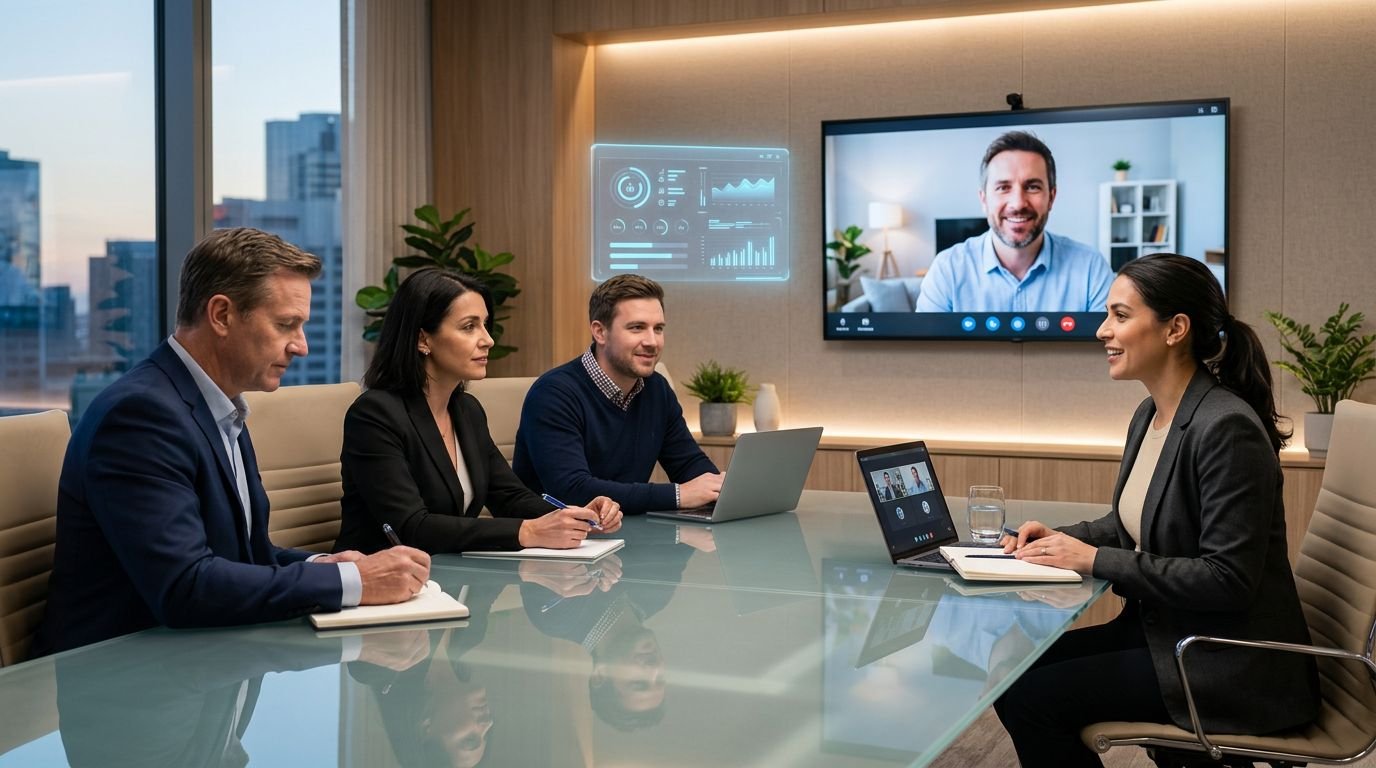
Many employers now screen candidates with AI tools before a live panel. By the time you reach the interview, the panel members are often checking judgment, communication, and fit across functions as part of consensus building. A hiring manager may care about outcomes, while a peer looks for teamwork and a senior leader checks how you think under pressure.
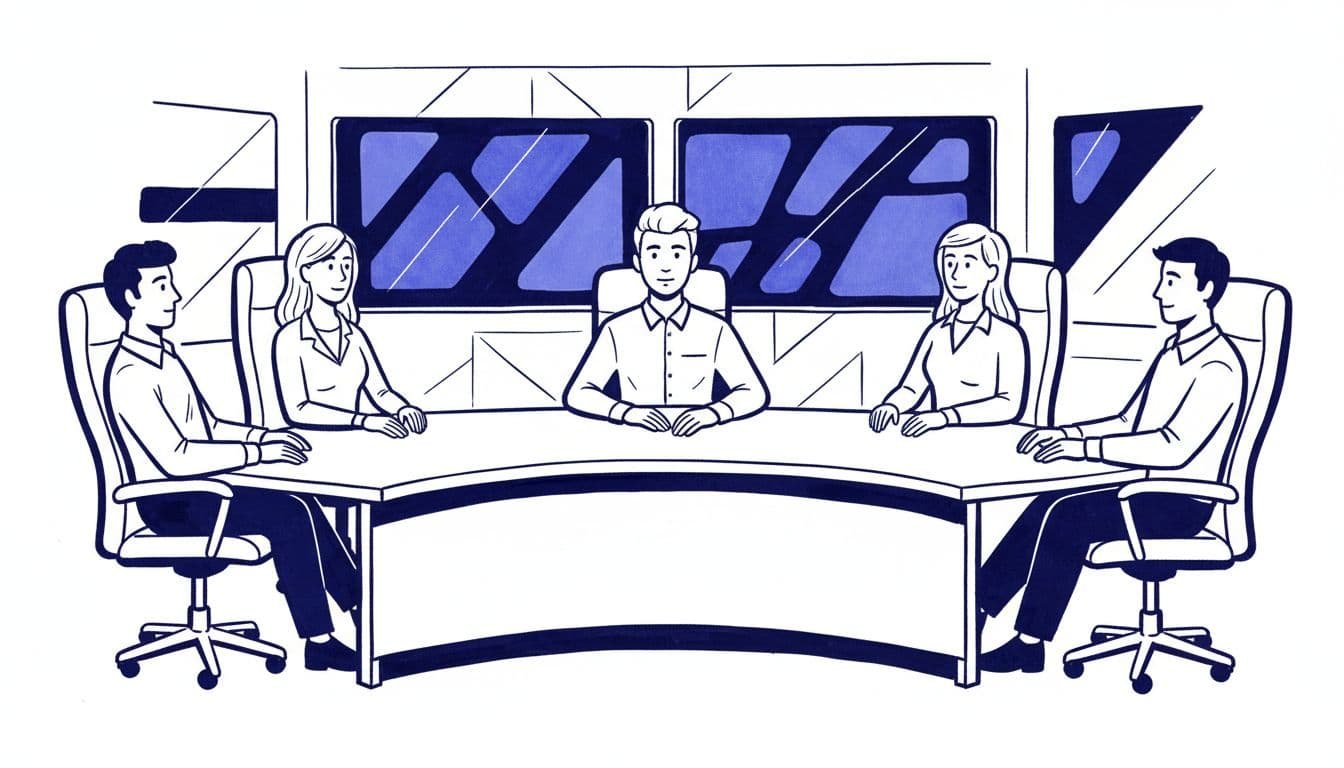
That setup changes how to prepare for a panel interview. You are not trying to win over one person. You are showing the panel members that you can stay composed, answer with structure, make eye contact, and build rapport by connecting your experience to the job.
Ask the recruiter for names and roles of who will be in the room, how long the interview will last, and whether it is in-person, a virtual interview, or hybrid. If they share details, look up each panel member on LinkedIn and note what they likely care about. Someone from operations may focus on process. A future team member may focus on pace and collaboration.
Basic advice still holds. Coursera’s panel interview guide and TalentAlly’s panel interview prep article both stress role research and practice. In 2026, add one more step: test your setup early. Camera height, eye line, audio quality, and internet stability now shape first impressions fast.
A short pause before answering sounds thoughtful, not weak.
How to prepare for a panel interview in one week
Strong interview preparation is less about cramming and more about pacing. Start by reading the job post like a scorecard. This guide to must-have vs nice-to-have job skills can help you spot what the panel is most likely scoring.
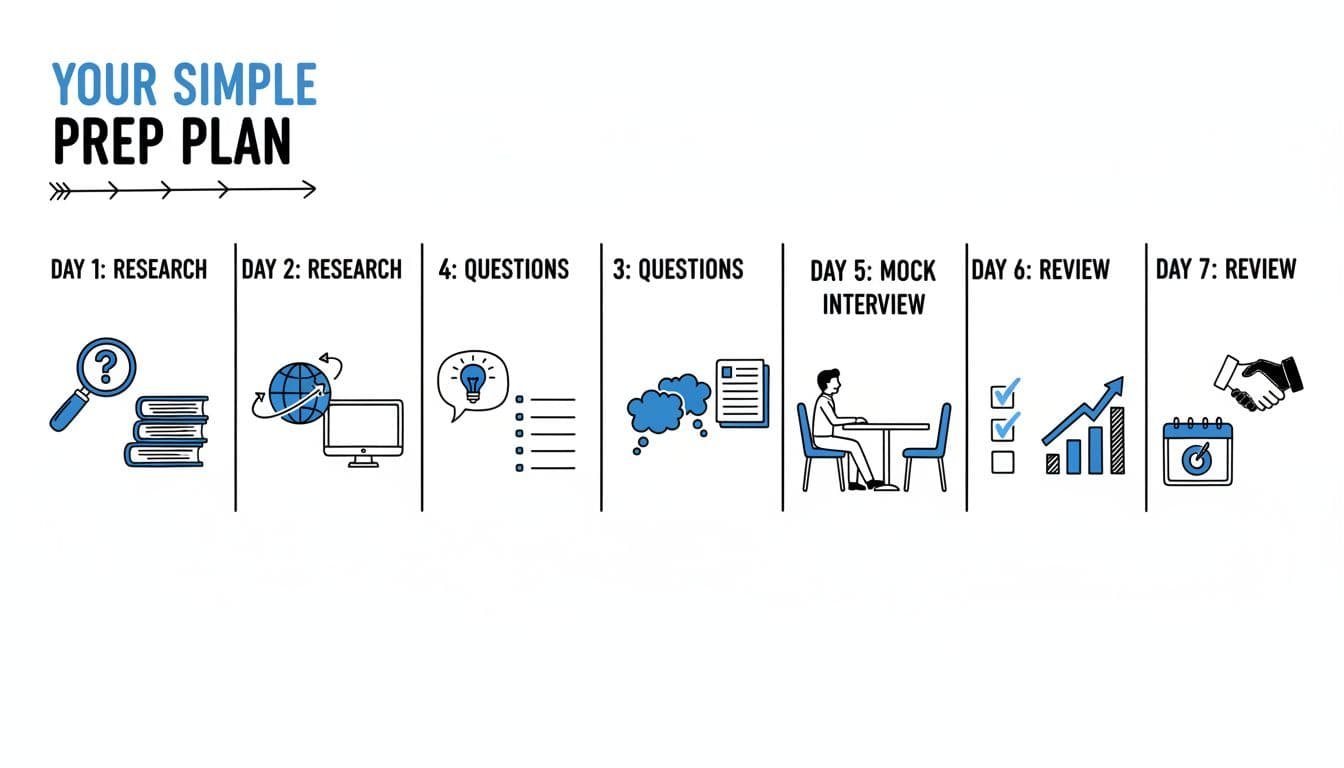
This simple plan keeps your prep focused:
| Day | Focus |
|---|---|
| 1 | Refine your elevator pitch and match job needs to your best examples |
| 2 | Research the company and panelists |
| 3 | Write six short STAR stories |
| 4 | Practice common panel interview questions aloud |
| 5 | Run a mock interview and record it |
| 6 | Test tech, outfit, notes, timing, and extra resumes for in-person sessions |
| 7 | Review lightly, then rest |
The key is to build examples, not scripts. Use the STAR method or CAR method to prepare concise stories about conflict, deadlines, problem-solving, failure, and teamwork while highlighting technical skills for behavioral questions and situational questions. Keep each story short enough to say in under two minutes. Panels take notes, so concise answers help them follow your logic.
If your application materials still need work, a Lever ATS one-column resume template is a useful reference before you interview. CareerScribeAI can also help at this stage. Its AI Resume Builder can sharpen your resume bullets, the Cover Letter Generator can align your message to the role, and the Interview Prep Tools can help you rehearse likely panel interview questions based on the job description.
Do one mock interview with three people if you can for practice interviewing and role playing. If no one is available, record yourself answering questions while shifting your gaze as if you were speaking to several interviewers. That small drill makes a real panel feel less chaotic.
Better panel interview answers for common questions
Most panels ask a mix of behavioral questions, role-specific, and company-fit questions. Because several decision makers and key stakeholders may score the same answer, panel interview answers need structure more than charm.
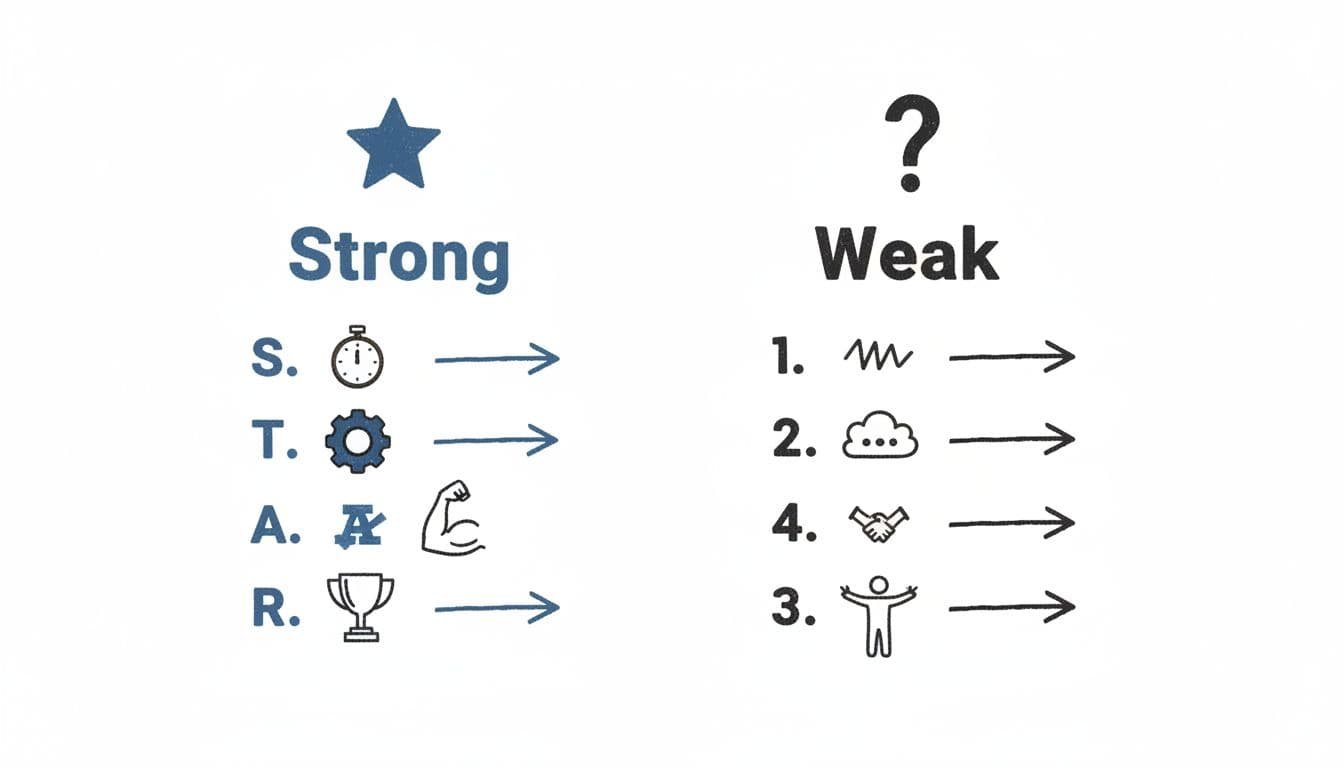
Use the STAR method when you respond for clear structure:
- Open with the situation in one sentence.
- Explain what you did, in clear steps.
- Close with the result and why it matters here.
Start by answering the person who asked the question. Then widen your eye contact to include the rest of the panel members. Strong body language, such as steady posture and a firm handshake greeting for in-person interviews, keeps your response personal without shutting others out.
Good panel interview answers also sound specific. Replace vague claims like “I am a strong communicator” with evidence of transferable skills such as “I led weekly client updates and cut response time by 30%.” Numbers are easy to write down, and that matters when panels are taking notes and using scorecards.
Company-fit questions deserve equal care. If you expect “Why this company?” or similar prompts that touch on company culture, these sample answers for company fit questions can help you shape a reply that sounds informed, not memorized. For another outside perspective, AIApply’s 2026 panel interview tips makes a useful point: panels reward clear thinking more than fast talking.
After the interview, send a follow-up email or thank you note within 24 hours. Mention one detail from each person’s questions or comments. In a panel process, that small step shows attention and professionalism.
A panel interview feels intense because several people are listening at once. Still, it gets much easier when your prep is simple, your stories are short, and your delivery stays steady.
The strongest panel interview tips for 2026 are still human. Know who is in the room, speak to the job, and make every answer easy to score. When your prep plan is clear, the panel starts to feel like a normal work conversation.
Frequently Asked Questions
What makes panel interviews different in 2026?
Panel interviews now often follow AI screening and use structured scorecards across hybrid or virtual setups, so panels evaluate judgment, communication, and fit from multiple angles like outcomes, teamwork, and thinking under pressure. Preparation shifts to researching each panelist and testing tech for clear, scorable answers. Basic tips like role research still apply, but composure with multiple people is key.
How do I prepare STAR stories for a panel?
Pick examples of conflict, deadlines, problem-solving, failure, and teamwork that highlight technical skills, keeping each under two minutes. Match them to the job post’s must-haves using STAR: situation, task/action, result with numbers. Practice aloud while shifting eye contact to simulate addressing the whole panel.
Should I do a mock panel interview?
Yes, recruit three people if possible, or record yourself answering while gazing at different spots to mimic the chaos. This builds comfort with eye contact and structure. Review the recording for clarity, posture, and pacing before the real thing.
What should I do right after the interview?
Send a thank-you email within 24 hours, referencing one specific detail from each panelist’s questions or comments to show attention. This reinforces your professionalism in a multi-decision-maker process. Keep it concise and tie back to your fit for the role.
How do I handle virtual or hybrid panels?
Test camera height, eye line, audio, and internet days ahead to avoid first-impression issues. For hybrid, bring extra resumes and treat it like in-person with firm greetings. Pause thoughtfully before answers to stay calm across screens.