


A verbal job offer can feel like the finish line, especially after the long weeks of effort put into your job search. While the call is a major milestone in the hiring process, keep in mind that it represents the beginning of the negotiation rather than a final agreement.
Before you say yes, you need the details that shape your pay, schedule, workload, and risk. A short pause now can save you from a bad surprise later. Start by separating the good news from the terms of your verbal job offer.
Key Takeaways
- A verbal offer is a positive milestone but is not legally binding; always wait for a formal written document before resigning from your current job or making life changes.
- Treat a verbal offer as the start of a negotiation rather than the finish line by asking for full clarity on compensation, benefits, and work expectations.
- Use the time between the verbal call and the arrival of the written offer to verify that the proposed terms match what was discussed during your interviews.
- Watch for red flags such as pressure to accept on the spot, evasive answers about benefits, or discrepancies between the initial job description and the offer details.
A verbal offer is promising, but the written offer matters
When a recruiter or hiring manager expresses that they want to hire you, that is a strong sign. This informal offer usually means you cleared the process and they plan to move forward. However, a verbal job offer and a written offer are not the same thing. It is important to remember that a verbal agreement is positive, but it is not yet legally binding.
In 2026, job offers still move through approvals, budget checks, and HR paperwork. Because of that, a short delay before you receive an official written offer is normal. Indeed’s guide to handling a verbal job offer also recommends thanking the employer, asking for time to review, and waiting for the written terms before you commit.
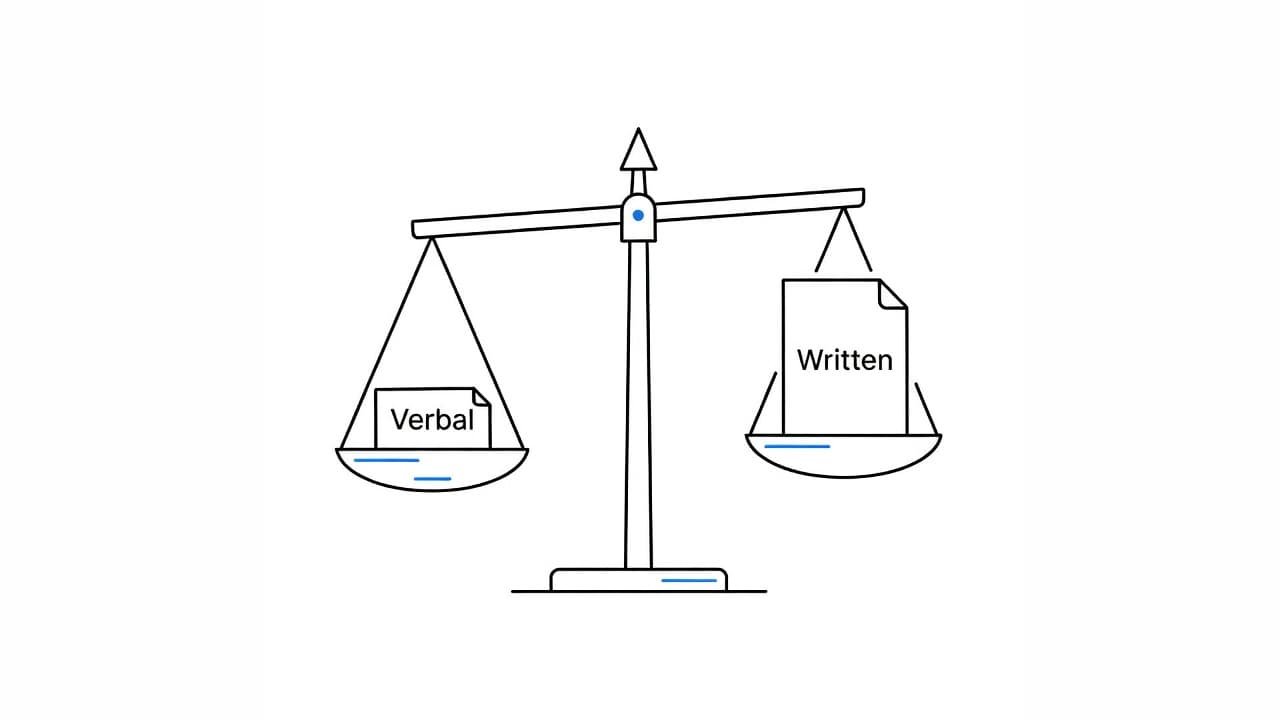
A formal written offer should spell out the terms you can rely on. At minimum, look for the items below.
| Item | What it should say |
|---|---|
| Role details | Job title, reporting line, job type |
| Pay | Salary or hourly rate, pay schedule, bonus or commission |
| Work setup | Location, remote or hybrid status, hours, start date |
| Terms | Benefits, contingencies, employment status |
Also check overtime classification if the role is salaried. Exempt and nonexempt status can change how the job works in practice. If the company offers sign-on pay, relocation help, or equity, ask for those specific terms in your written offer too.
Wait for the written offer before giving notice, canceling interviews, or making a move.
If the paperwork does not arrive when expected, send a brief follow-up and ask for a timeline. Rollins’ advice on verbal offers without written follow-through makes the same point. A polite email creates a record and often speeds up the delivery of your document.
What to ask after a verbal job offer
Receiving a verbal job offer is a major milestone for any job candidate, but it is not the final step. As a job candidate, you must ensure you have full clarity before moving forward. You are not being difficult by asking questions; you are simply verifying that the verbal job offer matches your professional expectations before you transition to a formal written offer.
Use direct language like this:
- “Can you walk me through the full compensation package?” Salary alone does not tell the whole story if bonus, commission, equity, or overtime matters. Understanding the total compensation package is essential for assessing the true value of the role.
- “When do benefits start, and is there a waiting period?” That answer affects the total value of your potential start date.
- “What is the exact work arrangement?” Ask whether the role is remote, hybrid, or fully in-office, and how often you are expected on site.
- “Who will I report to, and has that changed?” A different manager can mean a different role.
- “What does success look like in the first 90 days?” This shows judgment and reveals whether expectations are clear.
- “Are there any contingencies tied to the offer?” Background checks, references, and work authorization steps should be spelled out as part of the formal offer letter process.
- “When should I expect the written offer, and when do you need my answer?” That sets a timeline for both parties to review the final offer letter.

A short example helps. If the recruiter says, “We are offering $95,000,” do not stop there. A better reply is, “Thank you, I am excited about the role. Can you confirm the salary, bonus eligibility, benefits timing, work arrangement, and when I should expect the official document?”
If you need time, say so plainly. “I appreciate the offer. I would like 48 hours to review the written details before I respond” is professional and normal.
Also compare the offer to the job posting and to what you discussed in interviews. The getting started guide for job seekers on CareerScribeAI shows how to review a job description, spot red flags, and compare requirements with your materials. That helps if the title, scope, or location seems to have shifted. CareerScribeAI’s AI Resume Builder, Cover Letter Generator, and Interview Prep Tools can also refresh your memory before a follow-up call, because they reflect the story you presented during the search.
Job offer red flags that deserve a second look
Some problems are obvious. Others hide inside vague language.
Watch for a verbal job offer where the details stay verbal only, a moving start date, or a title that suddenly sounds smaller than the one you pursued. Be careful if your potential employer will not name your hiring manager, will not explain bonus terms, or says benefits will be sorted out later. If the hiring manager avoids giving direct answers, it is a sign to pause and consider the company culture.
Pressure is another warning sign. If someone pushes you to accept a verbal job offer on the spot, slow the conversation down. Reasonable employers expect you to ask thoughtful questions before accepting. If a potential employer pressures you to bypass standard due diligence, it suggests a lack of transparency in the hiring process.
A mismatch between interview promises and the terms in your offer letter also matters. Maybe the role was sold as hybrid, yet the document expects five days on site. Maybe the recruiter mentioned a team lead path, but the text says individual contributor with no review cycle. Those are real red flags, not small details.
Healthy negotiation is normal when the terms are clear. During salary negotiation, you can discuss pay, start date, remote flexibility, title, or sign-on support. If you approach a salary negotiation professionally, the employer should respond with clarity. What matters is whether they answer plainly and put the final terms in writing. If the company is unwilling to engage in transparent negotiation, it may indicate how they will handle your professional growth in the future.
If you need a follow-up call, keep your notes tight. These tips for answering recruiter phone screens also work well for post-offer conversations because they keep you focused on proof, questions, and next steps.
Frequently Asked Questions
Should I accept a verbal job offer immediately?
No, it is standard practice to thank the recruiter and request time to review the details. Accepting on the spot can prevent you from properly evaluating the total compensation and may pressure you into an agreement before you see the fine print.
What if I never receive a written offer after a verbal promise?
If the written offer is delayed beyond the expected timeframe, send a polite follow-up email asking for an updated timeline. A lack of written follow-through is a red flag, and you should not make any career moves until you have the official paperwork in hand.
Can I negotiate the terms after receiving a verbal offer?
Yes, the period after a verbal offer is the ideal time to negotiate salary, start dates, remote work arrangements, and other benefits. Professional negotiation is expected by most employers and helps ensure you have a clear understanding of the role’s expectations.
Final thoughts
Receiving a verbal job offer is an exciting milestone, but remember that it is still an early step in the hiring process. The safest approach is to slow down, ask clear questions, and wait for the formal written offer before you make any major life changes.
The right opportunity should always stand up to scrutiny. If an employer provides transparent answers, the professional relationship usually begins on a stronger foundation. If the details remain unclear, you have learned something vital before committing to the terms of your employment agreement.