


Rejection stings, especially when the interview felt strong. However, one polite follow-up during your job search can turn a dead end into a moment of professional growth.
If you approach the process with care, you may learn exactly what held you back and keep the relationship warm for future opportunities. In 2026, the best strategy is simple: reply soon, keep the note short, and focus on your desire to learn. This is the most effective way to ask for interview feedback.
Start with timing.
Key Takeaways
- Act promptly: Send your request within one or two days of receiving the rejection while the interview process is still fresh in the recruiter’s mind.
- Keep it brief and focused: Use the same communication thread to ask for specific, actionable feedback rather than a general critique, making it easy for the hiring manager to respond quickly.
- Maintain professionalism: Approach the request as a professional opportunity for growth; thank the interviewer for their time and avoid debating or defending your previous answers.
- Respect the silence: Understand that some employers may not provide feedback due to company policy or time constraints; one respectful follow-up is sufficient, and you should not push for further responses.
Ask soon, and use the same communication channel
After a job rejection, time matters. Reply within one or two days, while the conversation is still fresh for the recruiter or hiring manager. If they sent a rejection, your follow-up email should be sent using that same thread. If they called, reply there first or follow up with a brief message. When the news comes from a no-reply system, reach out to the last hiring manager you spoke with directly.
Start with thanks. Then show mild disappointment without making the note heavy. Your goal when requesting feedback is to sound steady and professional, because demonstrating professionalism makes people more willing to answer.
A good interview follow-up asks for help, not a verdict. Skip asking why you did not get the job. That wording can put the other person on defense. Ask for one or two areas for improvement instead, such as how you presented your experience, answered technical questions, or showed fit for the role.
Ask for coaching, not a defense of the hiring decision.
This matters even more in 2026. Many employers use structured interview scorecards, and recruiters often handle large applicant loads. As a result, short and clear requests are easier to answer than open-ended ones. Indeed’s rejection email examples follow the same pattern: thank the employer, stay courteous, and leave the door open.
If you are juggling several roles, log the rejection date right away. CareerScribeAI’s job application tracker can help you send follow-ups while the interview details are still fresh.
Write an interview feedback email they can answer quickly
A feedback request should read like a thank-you note with one clear question. Most recruiters will not send a long review, so make it easy for them to respond in a sentence or two. Here are some sample messages you can use to guide your outreach.
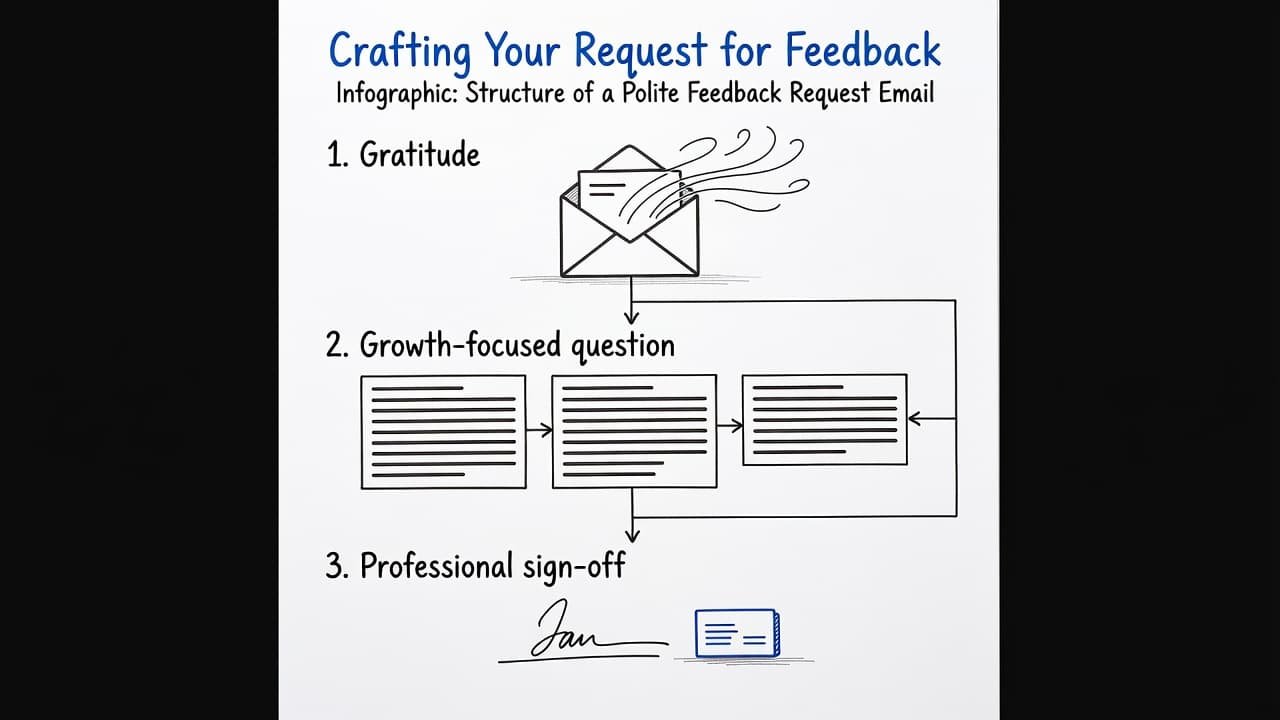
Keep your email template to these four parts:
- Thank the interviewer for the update and their time.
- Mention that you enjoyed meeting the team or learning about the role.
- Ask for brief feedback on one or two improvement areas.
- Close politely and mention your interest in next steps if the opportunity arises.
Here is a simple interview feedback email template you can adapt:
Hi [Name],
Thank you for the update and for the chance to interview for the [Role] position. I enjoyed learning more about your team. If you have a moment, I’d appreciate any brief feedback on how I could improve for similar roles, especially around my interview examples or experience fit. Thank you again for your time, and I’d be glad to stay in touch about future openings.
If you reached a final round, make the request more precise. Ask about your presentation, case study, technical exercise, or specific aspects of your interview performance. Narrow questions often get better replies because they are easier to answer given the context of the selection process, and they provide clearer insights into your interview skills.
You can also keep it even shorter: “If you are able to share it, I’d value any feedback on how I could strengthen my interview answers for similar roles.”
For more wording ideas, Arcadia’s examples for asking after rejection are helpful.
When feedback points to weak examples, CareerScribeAI’s Interview Prep Tools can help you tighten STAR answers before the next round. If the gap starts earlier, the AI Resume Builder and Cover Letter Generator can help you match your application to the job more clearly.
What to expect after you ask for feedback
Not every employer will respond to your request. Some companies do not share constructive feedback at all. Others keep it brief because managers are busy, recruiters are stretched, or legal risks limit what they can say. In addition, many hiring teams now use AI assisted screening and scorecards, so the comments they share may be broad rather than personal.
If feedback does come, it may be short. You might hear that another candidate had closer industry experience, stronger technical depth, or clearer examples. Take notes, thank the sender, and resist the urge to explain yourself. Arguing burns the bridge and teaches you nothing. Embracing a growth mindset allows you to turn these setbacks into actionable steps for your professional growth.
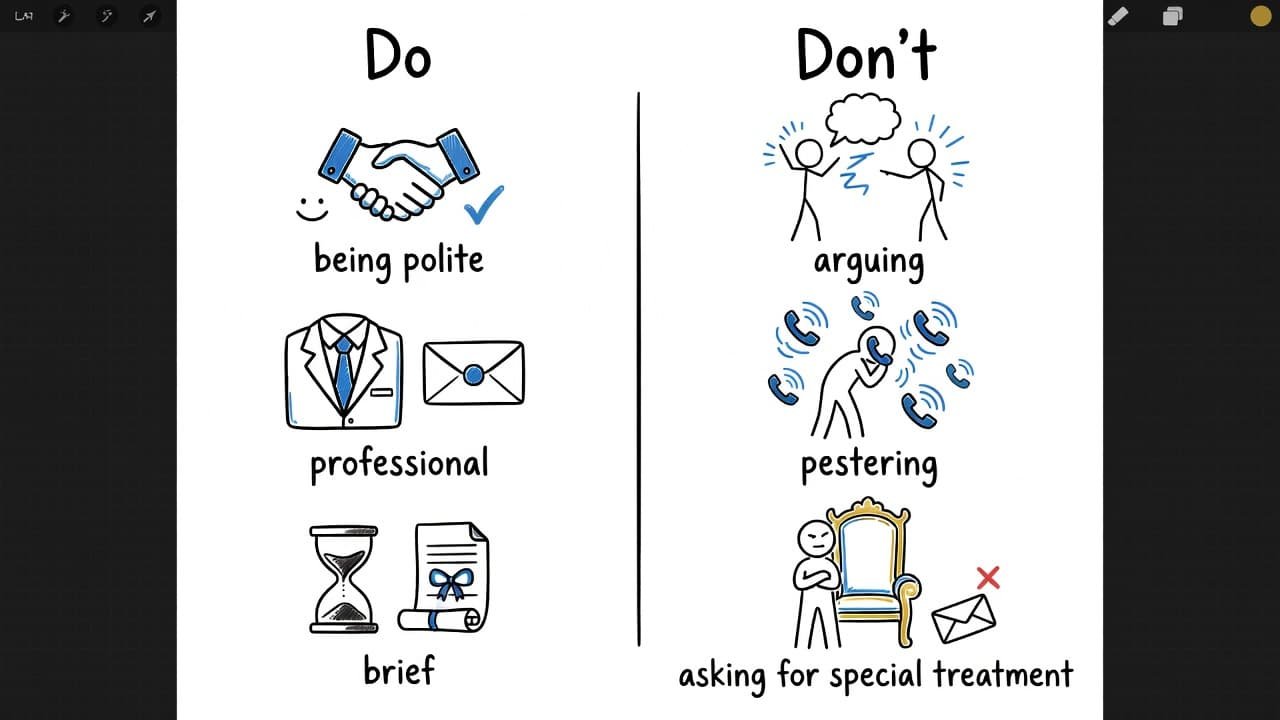
Keep the etiquette simple:
- Send one request, then stop.
- Thank them for the constructive criticism, even if the response is brief.
- Stay open to future roles if you still want to work there.
- Do not copy multiple people or ask the same question twice.
If the note feels vague, look for the pattern instead of the perfect wording. “Needed stronger examples” often means your answers lacked detail, while “chose someone with closer fit” may point to issues with your resume targeting or how you presented your qualifications during the selection process. Assessing your interview performance through these comments is vital for your personal development. CareerScribeAI can help on both fronts, because its Interview Prep Tools sharpen stories, and its AI Resume Builder turns broad claims into clearer results that highlight your next steps.
A reply is a bonus, not a promise. Still, a respectful request leaves a better final impression than silence or frustration.
Frequently Asked Questions
Is it normal for companies to ignore feedback requests?
Yes, it is quite common. Many companies have strict internal policies that prevent recruiters from sharing specific feedback to mitigate legal risks, or they simply may not have the time to provide personalized responses to every candidate.
How many times should I follow up if I don’t hear back?
You should only send one polite request for feedback. Sending multiple follow-up emails can be perceived as unprofessional and may negatively impact your reputation with that company for future opportunities.
Should I argue with the feedback if I disagree with it?
No, you should never argue or attempt to explain yourself if the feedback provided feels inaccurate. Simply thank the interviewer for their time and insights; arguing burns bridges and destroys the professional relationship you are trying to maintain.
What if the feedback I receive is vague?
Instead of seeking clarification, look for broader patterns or themes in the comments provided. If the feedback is limited, view it as a signal to review your overall interview preparation, such as strengthening your STAR method examples or refining how you articulate your professional experience.
Conclusion
A job rejection can feel like a locked door, but it does not have to be the end of the lesson. Receiving a rejection email is merely one step in a much larger hiring process, and viewing it as a learning cycle allows you to grow. The best follow-up is quick, calm, and centered on improvement.
When you ask for interview feedback, you are not trying to reverse the decision. You are giving the employer an easy chance to help, and yourself a better shot next time. One thoughtful note is an effective form of networking that keeps doors open, and it can easily turn a hard no into a better performance during your next interview.