


Unadvertised jobs include job openings filled through private conversations before public advertising begins. Relying only on job boards can limit your search and leave capable candidates unaware of promising roles.
The most effective job search strategies combine networking with focused conversations and early relationship building. These discussions can lead to career opportunities while strengthening connections that remain useful beyond one application.
How roles enter the hidden job market
Employers may hire through referrals, promote internally, or speak with a candidate before approving a formal opening. Talent acquisition teams may learn about candidates through these channels before the formal recruitment process begins. Indeed’s definition of the hidden job market describes roles that employers do not publish publicly.
Estimates about this market vary widely. Career sources place the share of roles filled without public advertising between 50% and 85%, so treat the numbers as directional rather than a universal rule. The practical point is clear: public listings are only one hiring channel.
Referrals create earlier access
Employee referrals don’t guarantee an interview. However, they can give recruiters or hiring managers relevant context about your background before hundreds of applications arrive.
When asking for a referral, first learn about the team and role. Then ask whether your experience appears relevant enough for the person to recommend you.
Weak ties can reveal new opportunities
Former classmates, past coworkers, event contacts, and people you know through volunteer work can share information outside your usual circle. Stanford’s overview of research on weak ties notes that acquaintances often help job seekers because they connect people to different networks.
Keep the request small and respectful. Ask for insight, not an introduction to every person they know.
Build a short list of target companies
Select 20 to 30 target companies where your skills solve a real business need. Prioritize employers you admire, growing firms in your area, and teams that match your experience.
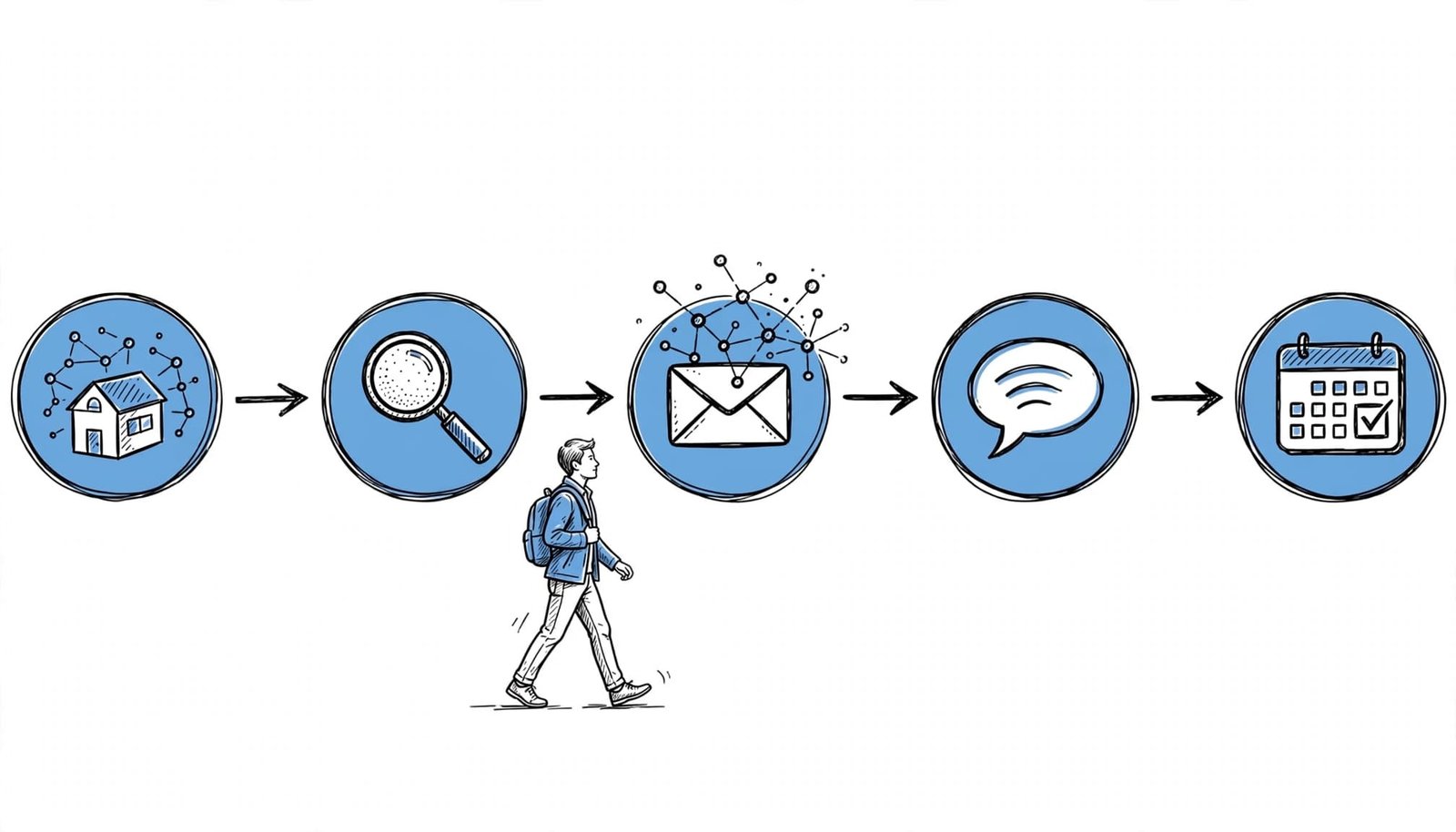
Research signals before you reach out
Review each company’s website, leadership posts, funding news, product releases, corporate culture, and employee announcements. A new client, expansion, or leadership hire may signal future hiring needs.
Also search its career pages directly. Google searches such as site:boards.greenhouse.io company name, site:jobs.lever.co company name, or site:jobs.ashbyhq.com company name can surface less-visible applicant tracking system pages. Verify every result on the employer’s official website.
Identify people close to the work
Look for team leaders, department heads, recruiters, and employees in comparable roles. LinkedIn’s company page can help you find them, but your profile and online presence should support the conversation.
Use these LinkedIn experience section examples to describe outcomes, scope, and skills without copying your resume line for line.
Start conversations through networking
Networking works best when it feels like professional curiosity, not a disguised request for a job. Comment thoughtfully on someone’s work, mention a shared connection, or ask about an area where they have real experience. Look beyond your immediate professional network to build relationships with people in related fields.

Request an informational interview without pressure
Ask for 15 to 20 minutes to understand the team’s priorities, career path, or industry changes. The goal is to learn about the work and assess fit, not to ask for a job immediately. Avoid sending supporting materials in the first message unless the person requests them.
A useful invitation might say: “I am exploring operations roles in health technology and noticed your work at [Company]. Would you be open to a brief conversation about how your team measures service quality?”
Prepare three questions, listen closely, and send a thank-you note within 24 hours. If a relevant role appears later, you will have a genuine reason to reconnect and may learn about relevant job opportunities.
Keep a simple outreach tracker
Track the company, contact, date, topic, next step, and follow-up date. This prevents duplicate messages and helps you spot which approaches lead to conversations.
Follow up once after about a week if you have not heard back. A short note that adds a relevant article, update, or clear request is better than repeated “just checking in” messages.
Silence usually means a person is busy, not that your background has been rejected.
Use direct outreach to uncover job opportunities
Effective direct outreach connects your background to a problem the organization may need to solve. Keep it brief, accurate, and easy to answer.
Prepare a 60-second value pitch
State your role, strongest relevant result, and the business signal that prompted your message. Then explain why you’re contacting that organization. Choose one defensible achievement and connect it to that signal. For example: “I am a customer success manager with five years of experience reducing onboarding delays. I noticed your company is expanding its enterprise offering, and I would value the chance to learn how the team supports new customers.”
Do not claim skills you cannot defend. AI resume tailoring without exaggeration can help you organize genuine evidence for a targeted resume.
Send a concise cold email
Use a specific subject line, such as “Interest in future data analyst roles.” In the body, mention one reason you chose the company, one measurable contribution, and a low-pressure request for a conversation.
Speculative applications can work without a public listing, but only when your message ties credible evidence to a genuine business need.
Cold calling can suit some industries, but keep it selective, relevant, and appropriate to the audience. It shouldn’t become a mass tactic.
A talent acquisition contact may redirect a promising conversation to the right team or role, so follow that guidance. If the contact shares a formal listing, tailor your materials before applying and respect the employer’s recruitment process.
CareerScribeAI’s AI Resume Builder can align documented achievements with the role. Its Cover Letter Generator can turn the same evidence into a focused introduction. Its Interview Prep Tools can then help you practice likely behavioral and technical questions.
Key Takeaways
- Focus on a defined list of target companies instead of sending large batches of generic applications.
- Use networking to build relationships with acquaintances, former colleagues, and industry contacts.
- Ask for exploratory conversations before requesting referrals or leads.
- Organize direct outreach by recording follow-ups, responses, and next steps.
- Tailor job applications, your resume, cover letter, and interview stories to evidence you can support.
FAQ
How do I ask someone for a referral?
Start by discussing the role and your fit. Afterward, share a concise summary of your experience and ask whether they’d feel comfortable referring you, while giving them an easy way to decline.
Are cold emails effective for reaching the right people?
They can start useful conversations when they’re personalized and relevant, but they don’t guarantee access to a role. Research the person first, then write one specific question tied to their work.
Should I stop applying to job postings?
No. Continue applying to well-matched public roles, especially when you can tailor your job applications. Pair each application with a thoughtful message or conversation, but don’t assume private contact guarantees consideration.
Can speculative applications work?
They can work when you contact an organization with a clear reason and a relevant offer of value, but they don’t guarantee a response. Identify a likely need, explain how you could help, and follow up once after a reasonable interval.
Final Thoughts
The strongest approach combines visible openings with relationship-based efforts that reveal opportunities earlier. Unadvertised jobs become more accessible when your outreach is focused, respectful, and backed by clear evidence of what you can do.
A useful conversation today may create job opportunities months later. Talent acquisition teams may revisit strong candidates when a need becomes formalized.