

Yes, you can reapply after a job rejection when your qualifications, application, or the opening have meaningfully changed. However, an employer’s reapplication policy comes first, and resubmitting identical materials rarely strengthens your case.
A rejection doesn’t necessarily rule out future opportunities, but your next application needs a clear reason for reconsideration. Start by separating timing, fit, and application problems.
Key Takeaways
- Reapply when you can show stronger qualifications or a better fit.
- Treat three to six months as guidance, not a universal waiting period.
- Keep your history accurate, respect application restrictions, and avoid duplicate accounts.
When Should You Reapply After a Job Rejection?
Your rejection stage helps determine whether another application makes sense.
| Previous outcome | Sensible next move |
|---|---|
| Automated rejection | Check eligibility answers and confirm whether a screening rule disqualified you. Review resume wording and formatting. |
| Rejection after interviews | Address feedback or demonstrate stronger relevant experience. |
| No response | Send one follow-up before considering another submission. |
| Invitation to apply again | Pursue a suitable opening within the employer’s instructions. |
| Explicit reapplication restriction | Respect the restriction and pursue other employers. |
How long should you wait?
Career coach Farah Sharghi recommends waiting 3 to 6 months unless the company invites you to pursue other roles. Sidequest emphasizes that no universal waiting period exists; the posting, rejection email, or careers portal may set different rules.
Also, Indeed career trends expert Gabby Davis advises against applying more than twice for the same position after rejection or silence, especially without changed qualifications.
Does a repost mean you should apply again?
Use the company’s careers page as your starting point because LinkedIn and Indeed can retain stale listings.
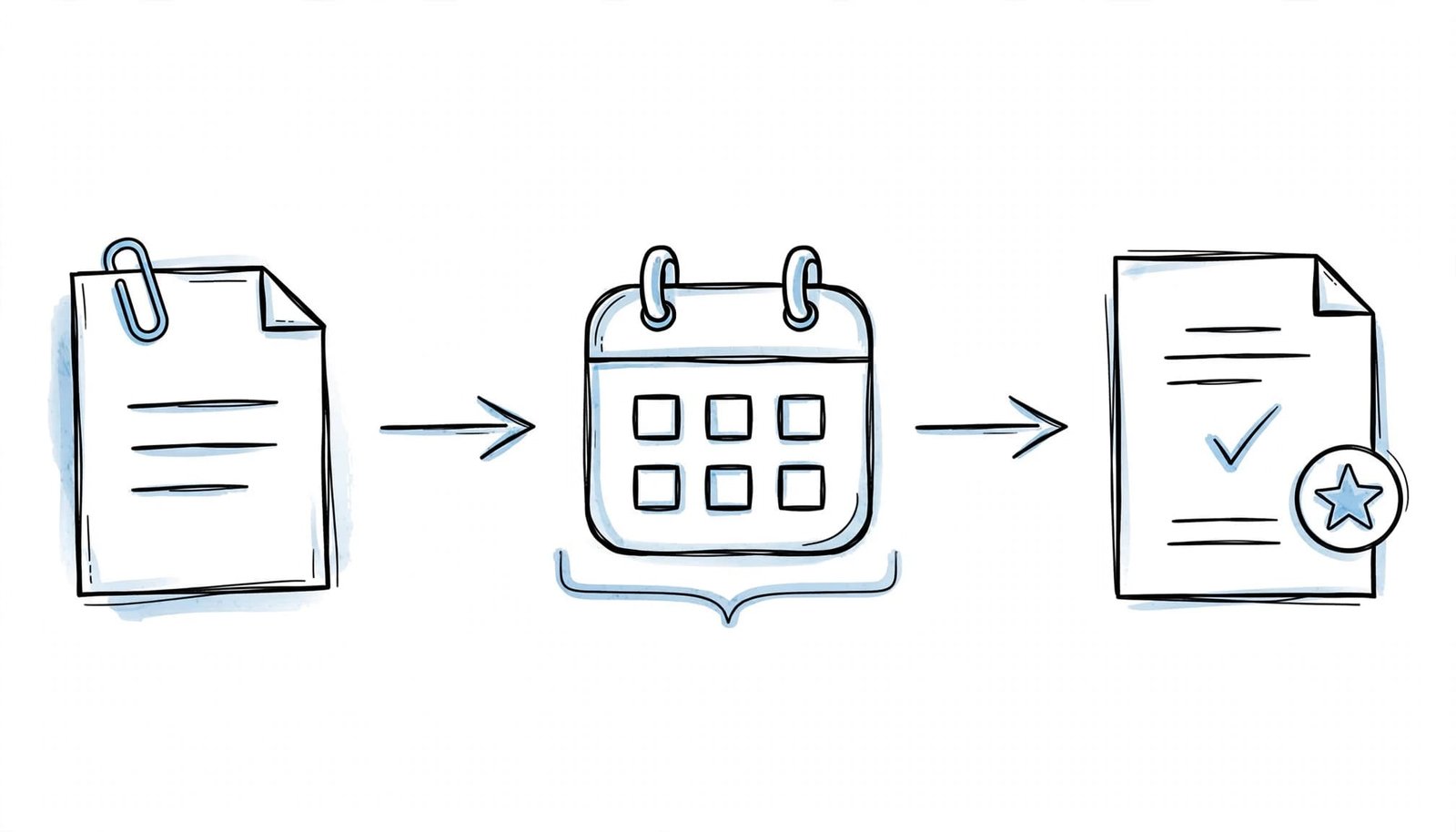
If the role is reposted, compare the new listing with the original. A new requisition ID suggests a separate opening, but doesn’t prove the requirements changed. Compare responsibilities and qualifications. A repost alone isn’t enough; a new credential, stronger experience, or substantially improved resume gives you a firmer reason.
Improve Your Application Before Trying Again
Update your resume and cover letter
iHire identifies several common rejection reasons: insufficient credentials or experience, mismatched skills, weak interviews, ATS screening, and stronger competition. Match your changes to the likely problem.
- Compare your qualifications with the current job description, especially mandatory requirements.
- Then tailor your resume to emphasize the required qualifications you genuinely have.
- Replace the old cover letter with a focused explanation of your fit and what’s improved.
If you have a genuine experience gap, build relevant new skills and show what you can do in a portfolio sample.
Keep company names, titles, education, and employment months and years consistent. Add new accomplishments, but don’t rewrite historical facts to appear more qualified.
Our AI Resume Builder helps create a job-specific version, while our Cover Letter Generator helps connect relevant experience to the opening. Briefly acknowledge your previous application without retelling the rejection.
Address the interview gap
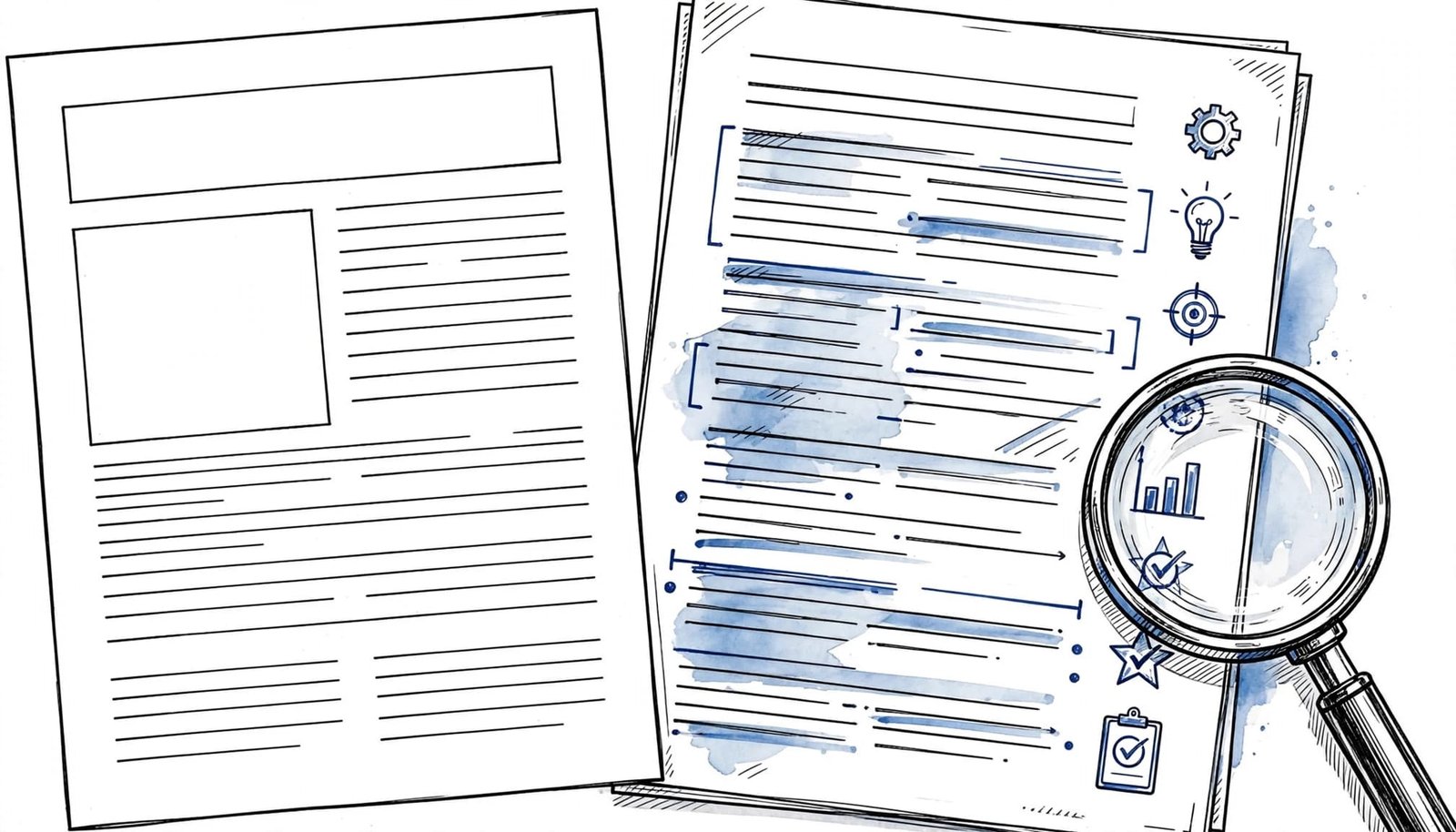
After an interview rejection, a revised resume may not address the hiring team’s concern. Work on the gap they identified, whether technical knowledge, leadership examples, or unclear answers.
Our Interview Prep Tools use your resume and the job posting to suggest relevant practice questions. Build behavioral answers around STAR: Situation, Task, Action, Result. Practice explaining your own actions and outcomes.
Handle ATS Rules Without Duplicate Accounts
The Ladders’ reporting on reapplications quotes applicant tracking system (ATS) providers explaining that automated rejection can reflect missing keywords or formatting problems. However, a fast rejection doesn’t prove the software misread your resume; eligibility answers can also matter.
In that reporting, Laurie Winslow recommends changing the email address because systems may use it as a primary identifier. Taleo-style systems can use multiple identifiers, so a different address doesn’t guarantee a fresh review.
Don’t use another identity to bypass restrictions. LinkedIn Easy Apply, Indeed, Workday, Greenhouse, and Lever can handle repeat submissions differently. Use the existing application or available update options, and don’t create duplicate Workday accounts.
Tiffani Murray also recommends completing optional application fields because recruiters may search them. Enter relevant information even when it already appears on your resume.
Contact the Recruiter Before Reapplying
When possible, contact the recruiter, HR representative, or hiring manager on LinkedIn first. Treat this personalized outreach as professional networking, and ask one brief question:
“I previously applied and remain interested. Would you welcome an updated application that explains what’s changed?”
If asked about previous applications, Sharghi suggests explaining your genuine interest in the company’s mission and culture. Then connect that interest to the particular opening.
If nobody replies, send one follow-up after about a week. Continue your job search while you wait. Silence isn’t permission to bypass application restrictions. Record the job ID, resume version, contact, and follow-up date so you don’t repeat submissions accidentally.
Frequently Asked Questions
Can you reapply immediately after rejection?
Sometimes, particularly when invited to pursue a different suitable role. For the same position, an immediate unchanged application offers little reason for reconsideration.
Should you mention that you applied before?
Yes, briefly when relevant. Acknowledge the earlier application, then explain your improved fit. You don’t need to apologize or debate the previous decision.
Make Your Next Application Worth Reviewing
Reapplying works best when you can demonstrate meaningful progress. Time alone won’t fix a missing qualification or an interview concern.
Respect the employer’s rules, present accurate materials, and explain what makes this application stronger. Meanwhile, continue your job search rather than depending on one company’s decision.