


A job post can feel fresh at breakfast and crowded by lunch. As key career advice for 2026, job application timing still shapes who gets seen first.
If you want the short answer, apply within 48 hours of spotting open positions when you can. That window gives you a better shot at the first recruiter review, without forcing you to send a weak, generic resume. The real goal is to move fast and stay tailored.
Key Takeaways
- Apply within 48 hours of spotting a job posting for most roles to hit the first recruiter review batch; target 24 hours for high-volume entry-level, remote, or brand-name positions.
- Tailor your resume by focusing on the top sections—headline, summary, and key bullets—to match job skills honestly, using prepped base documents for speed without weakness.
- Timing varies by role: 24 hours for crowded jobs, 48-72 for mid-career fits, and 5-7 days for senior or niche roles, but early always beats waiting for a “perfect” weekday.
- Aim for Monday or Tuesday mornings within the posting window when recruiter activity peaks, and use tools like AI resume builders to stay ATS-friendly and interview-ready.
Why the first 48 hours matter
Most employers don’t wait for every application to arrive before they start reading. They review early batches, flag strong matches, and start moving candidates into the hiring process while the job posting is still new.
That matters because applicant tracking system software sorts applications fast, and AI-assisted screening has made first-pass review even quicker. A recruiter still makes the call, but the first pile often gets the most attention. Good job application timing means reaching that pile before it grows too large.
One 2026 review from Resumefast on the best time to apply points to the first 72 hours as the strongest window. Another roundup, citing earlier application research, says early applicants can see a sharp advantage in interview chances. The exact number varies by role, but the pattern is consistent: early candidates get more visibility on the job posting.
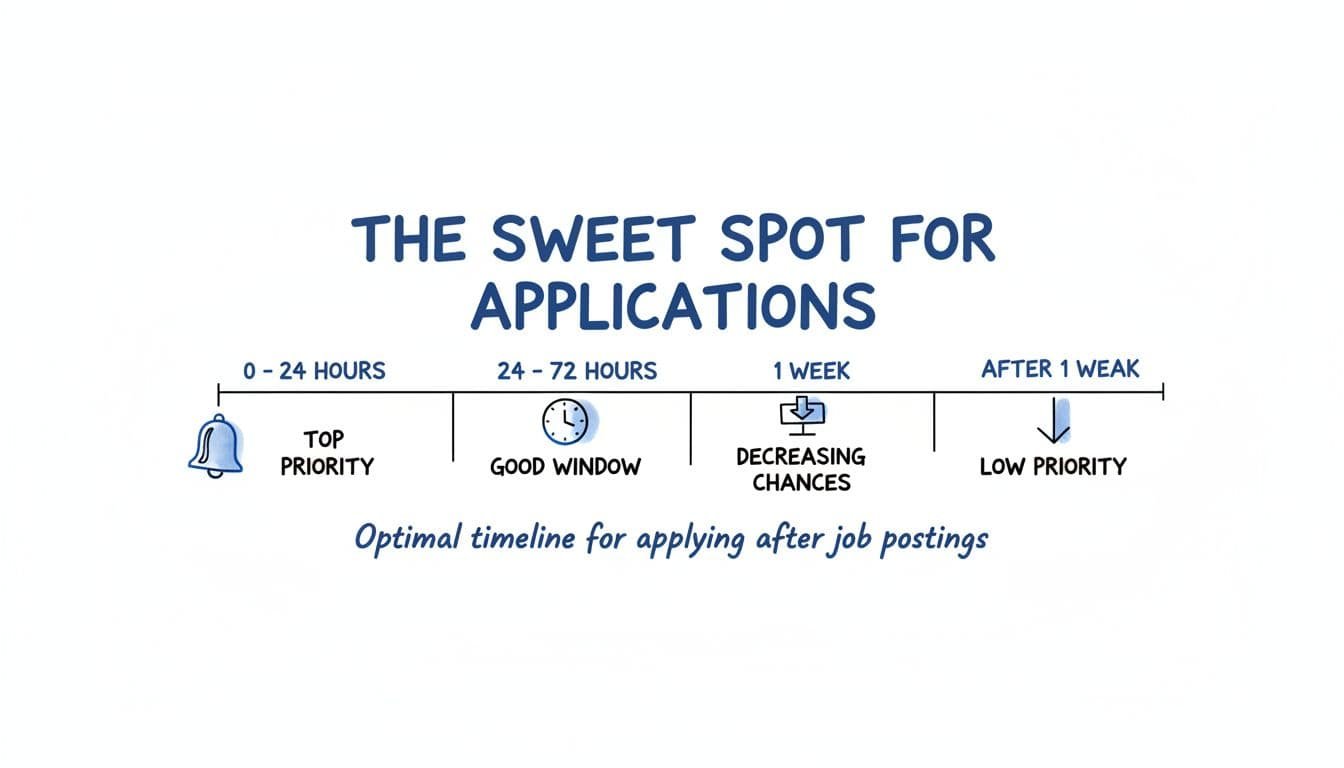
High-volume roles move the fastest. Entry-level jobs, remote roles, and brand-name employers can attract hundreds of candidates in days. If you’re applying to one of those, 24 hours is even better than 48.
Senior roles often stay open longer, but that doesn’t mean timing stops mattering. It means quality has a bit more room. Even then, early applicants often shape the shortlist. Once a recruiter likes five or six profiles, late arrivals need a stronger case to break in.
Apply early enough to reach the first review batch, then make your resume strong enough to stay there.
Freshness also beats the “perfect” day of the week. A Friday morning job posting is still worth applying to on Friday. Waiting until Monday early morning because you heard it’s best can cost you more than it helps. Apply during business hours when a recruiter is most active.
How timing changes by role and posting age
The best window depends on competition, seniority, hiring manager expectations, and how much repositioning your application needs. This quick guide keeps the tradeoff clear.
| Situation | Best time to apply | Why it works |
|---|---|---|
| Entry-level, remote, or high-volume role | Within 24 hours | Recruiter and hiring manager review gets crowded fast, especially for remote roles across time zones on job boards |
| Mid-career role with a strong fit | Within 48 to 72 hours | You have time to tailor without missing the first pass by hiring managers |
| Senior or niche role | Within 5 to 7 days | Smaller pool of open positions, but early candidates still stand out to hiring managers |
| Career change or stretch role | Within 3 to 5 days | You need extra time to explain fit clearly |
| Reposted jobs | As soon as possible | The team may be restarting or widening the search |
The pattern is simple. The more crowded the role, the less time you have.
Timing inside the week still matters, though less than posting age. A 2026 hiring calendar from ApplyWave on hiring cycles favors Monday and Tuesday mornings, when recruiter activity is often highest, beating out afternoons or later workweek deadlines. Peak periods like January and February ramp up staffing needs and fresh hiring budgets, so aim for those morning slots within a few days of the posting. If you can hit that, great. If not, don’t hold your application for a “better” weekday.
Older posts aren’t always dead. If a job has been up for seven to ten days and you’re a strong fit, it can still be worth applying. That is more true when the listing was recently updated, reposted, or marked urgent. On the other hand, once a posting sits for two or three weeks with no changes, the odds usually drop unless you have a referral.
Your own situation matters too. If your resume has a major gap you need to address, or the role requires a tailored portfolio, take the extra day. A fast bad application won’t beat a slightly later strong one.
How to apply fast without looking rushed
Speed only helps if your materials look relevant. Applicant tracking systems don’t reward panic. They reward clear matches on skills, experience, and language from the job posting.
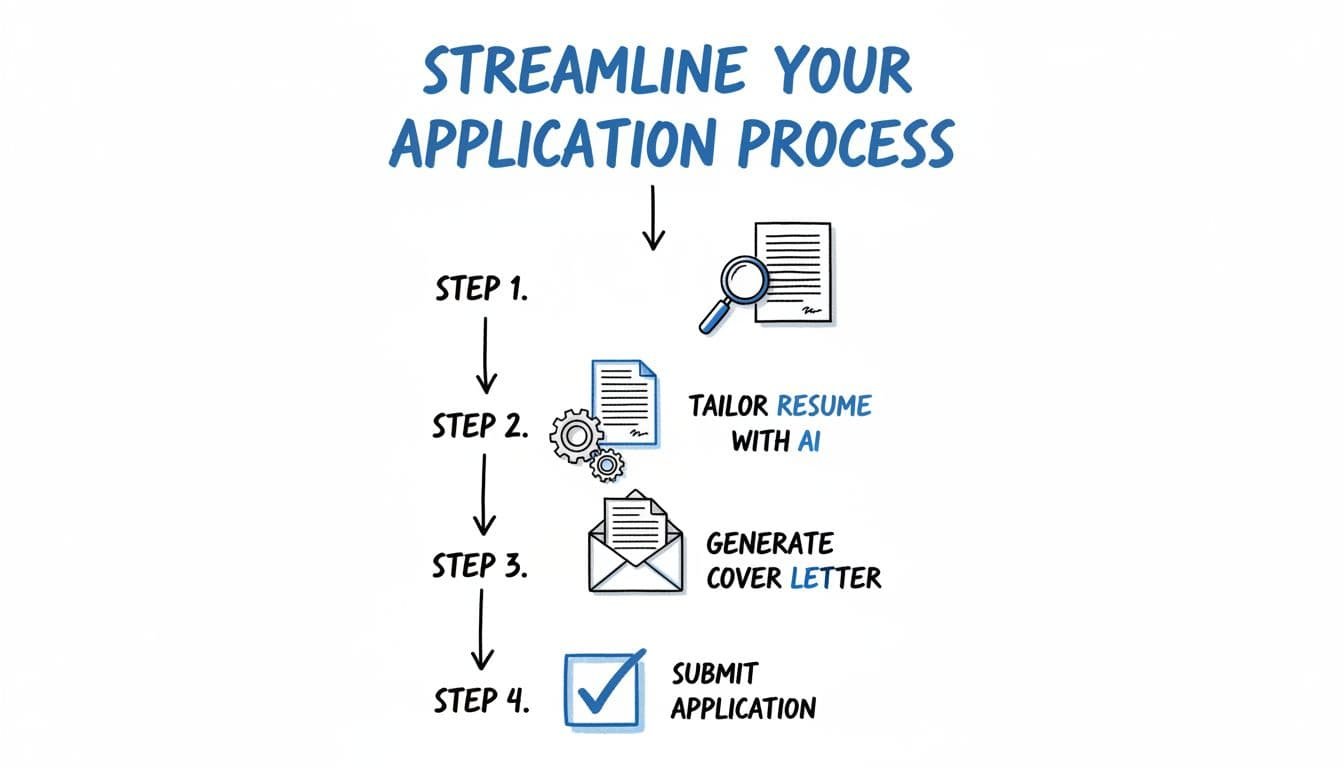
A fast application process works best when you already have your application documents, such as a base resume, a short story bank, and a few saved achievement bullets. Then you can spend 15 to 30 minutes on the parts that matter most:
- Read the job posting once for fit, then again for must-have skills.
- Edit your headline, summary, and top bullet points to match the role honestly.
- Write a short cover letter only if the employer asks for one or the role is a reach.
- Complete application submission, then move straight into job interview prep in case the callback comes fast.
This is where tools can save time without hurting quality. CareerScribeAI’s free and premium tool options include an AI Resume Builder, Cover Letter Generator, and Interview Prep Tools. Used well, they help you tailor faster, keep your resume ATS-friendly, and stay ready for quick recruiter replies and the job interview.
Keep your edits focused. Don’t rewrite your entire career history for every job. Change the top third of the resume first, because that’s what both ATS matching and human skim readers notice early. Add numbers where you can. Match job titles only when they are truthful. Cut older details that don’t support the role.
One more point matters in 2026: speed is part of your job search strategy in this fast-paced recruitment style, but it isn’t the whole plan. Job alerts checked in the morning, saved resume versions, and a simple application tracker make fast, high-quality applications possible for every candidate. Without that prep, you spend your best timing window hunting for old files.
Frequently Asked Questions
What’s the ideal window to apply to a new job posting?
For most roles, apply within the first 48 hours to reach the initial recruiter review before the applicant pile grows. High-volume positions like entry-level or remote jobs need action in 24 hours. Tailoring takes priority over perfection, but speed opens the door.
Does the day of the week matter more than posting age?
Posting age trumps the day, so apply ASAP even to a Friday morning listing—don’t wait for Monday. That said, Monday and Tuesday mornings see peak recruiter activity. Freshness beats waiting for an ideal weekday.
Are older job postings worth applying to?
Jobs up 7-10 days can still work if recently updated, reposted, or urgent, especially with a strong fit or referral. After 2-3 weeks without changes, odds drop sharply. Prioritize new listings but don’t ignore viable older ones.
How can I apply fast without a rushed resume?
Prep base resumes, achievement bullets, and a story bank ahead, then spend 15-30 minutes tweaking the top third for skills and keywords. Skip full rewrites; focus on ATS matches and numbers. Tools like AI resume builders speed tailoring while keeping quality high.
Does timing matter less for senior roles?
Senior roles stay open longer, giving 5-7 days to apply, but early candidates still shape the shortlist. Quality gets more weight, but recruiters flag strong early profiles first. Balance speed with a tailored case for fit.
Apply early, but don’t rush the fit
In 2026, the strongest move for job application timing is simple. Apply within the first 48 hours for most roles, and within 24 hours for crowded ones.
Still, timing only opens the door. A successful application submission improves interview chances, but a tailored resume, a focused cover letter when needed, and solid interview prep are what get you through it. While timing is key, the hiring manager ultimately looks for fit, so as a candidate, prioritize quality.