


An interview should test whether you can do the job, not expose details of your personal life. Yet illegal interview questions can still appear in video calls, recruiter screens, application chatbots, and informal conversations during a job interview.
You don’t need to argue, disclose more than you want, or end every interview on the spot. A calm response can protect your boundaries while keeping the conversation focused on your qualifications, ensuring every job applicant feels secure against intrusive queries.
Key Takeaways
- Federal and local laws protect candidates from answering personal questions about age, marital status, religion, disability, and other protected characteristics during an interview.
- You can handle inappropriate inquiries professionally by pausing, keeping your tone calm, and redirecting the conversation back to your job qualifications.
- Preparing response scripts in advance helps you maintain your boundaries without awkward silences or oversharing personal details.
- Documenting improper questions with dates and details protects you if you need to evaluate the employer or report discriminatory behavior later.
Recognizing Illegal Interview Questions
In the United States, federal laws and state laws restrict employment decisions based on protected characteristics such as race, color, religion, sex, national origin, age, disability, and genetic information. Local rules, along with any applicable human rights code, may add protections for marital status, family status, religious beliefs, disability status, citizenship status, arrest record, sexual orientation, gender identity, criminal history, and salary history. These standards protect candidates on various protected grounds during the hiring process.
An interviewer may ask about your ability to meet a job requirement. They generally should not ask personal questions that reveal a protected trait.

Common examples of discriminatory questions and inappropriate interview questions include:
- “Where were you born?” or “What is your native language?”
- “How old are you?” or “What year did you graduate?”
- “Are you married?” “Do you have children?” or “Who watches them?”
- “Are you pregnant?” or “Do you plan to start a family?”
- “What religion do you practice?” or questions about religious holidays.
- “Do you have a disability?” “How is your health?” or “What medications do you take?”
- Other interview questions about race, ethnicity, sexual orientation, gender identity, or arrest history.
The EEOC’s hiring-question guidance explains that employers should avoid questions about personal traits protected by law. The Yale Office of Career Strategy’s examples also draw a useful line between prohibited personal questions and valid questions about job duties.
A questionable question does not always prove discrimination. However, your response and written record can matter if a pattern develops.
How to Respond to Illegal Interview Questions Without Losing Composure
Pause before you answer. You don’t have to fill the silence with personal information. Then decide whether you want to redirect, ask for clarification, give a limited answer, or end the interview.
A professional redirect often works best when you still want the position. When prospective employers bring up inappropriate questions during a job interview, you can connect the conversation back to the role instead of answering directly:
- “I’m able to meet the schedule and travel requirements described for this role.”
- “I’d prefer to focus on my qualifications, and I can confirm my work authorization for this position.”
- “I can perform the essential functions of the position, with or without reasonable accommodation.”
- “My family status won’t affect my ability to meet the role’s expectations.”
- “Could you share how that relates to the responsibilities of this position?”
For example, an interviewer who asks about your family status may be trying to assess availability, whereas appropriate questions focus strictly on job duties. You can say, “I can work the stated hours and handle the occasional travel listed in the posting.” That answer gives them relevant information without discussing personal matters.
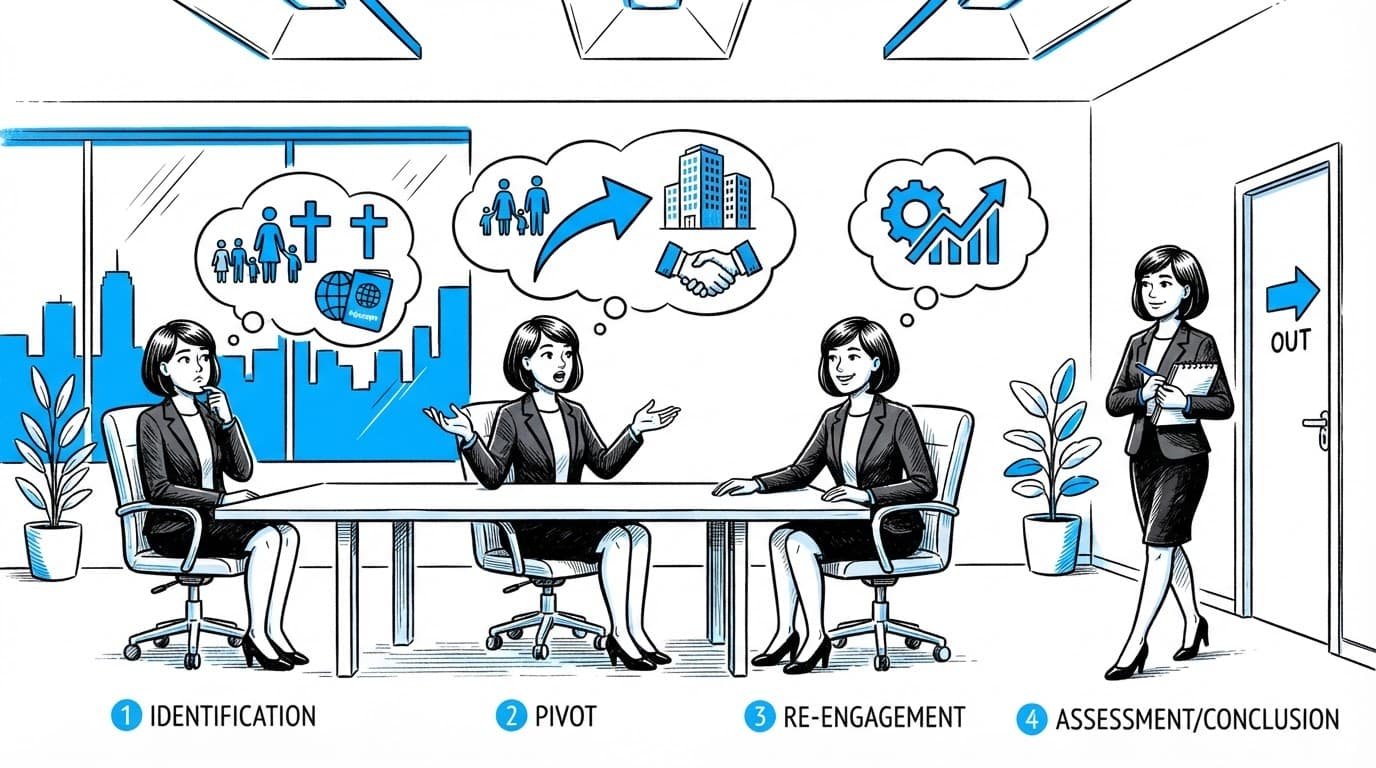
Tone matters. Keep your voice even and avoid apologizing for a boundary. If the interviewer accepts your redirect and moves on, you may decide the moment was careless rather than malicious. If they press for a personal answer, repeat your boundary once: “I’m comfortable discussing my ability to perform the role, but I don’t discuss private medical information.”
Some inappropriate questions arrive before the meeting. An online application, AI chatbot, or automated screening form may request information it shouldn’t. Save screenshots, note the date, and answer only what is necessary to continue if you feel comfortable doing so. In 2026, automated screening tools do not remove an employer’s responsibility to ensure that every hiring decision complies with fair hiring practices.
Prepare Scripts Before the Interview
Pressure makes even simple questions harder to handle. As a smart job applicant, you can build a strong career strategy by preparing two or three responses that fit your situation, then practicing them aloud. CareerScribeAI.com’s Interview Prep Tools can help you rehearse concise answers to role-related questions, so you have more mental space when an inappropriate inquiry appears.
Also review the job description closely. Identify the true legal requirements, such as shift hours, lifting limits, travel percentage, work authorization, licensing, or location. You can redirect toward those facts with confidence when facing unexpected interview questions.
Your resume can support that redirect. Use CareerScribeAI.com’s AI Resume Builder to align your experience with the position’s required skills and outcomes, helping any job applicant present a polished profile. A focused resume gives you concrete evidence to discuss when an interviewer drifts toward vague questions about “fit.”
Avoid volunteering information that isn’t required. For instance, you can explain an employment gap by saying you took time away and are ready for a full-time role. You don’t need to disclose a diagnosis, pregnancy, caregiving arrangement, divorce, or religious commitment.
Document What Happened and Decide Your Next Step
After the interview, write down the question as accurately as possible. Include the date, names of everyone present, the meeting format, your response, and any follow-up comments. Save emails, calendar invitations, application screenshots, and job postings.
Then assess the whole interaction. One poorly phrased question may call for a polite follow-up and closer attention. Repeated pressure, mocking comments, or questions directly tied to a hiring decision deserve more caution, especially when evaluating broader employment practices.
You can withdraw if the employer’s conduct makes you uncomfortable. If you remain interested, send a brief thank-you note that reinforces your job-related qualifications. CareerScribeAI.com’s Cover Letter Generator can also help you keep later application materials centered on achievements, skills, and the role’s stated needs.
For individualized concerns, you can explore various legal options, file discrimination claims through a human rights tribunal, or consult your state civil rights agency regarding local human rights code regulations. Understanding applicable legal requirements is important because employment laws vary by location, and legal advice depends on the facts, employer size, and timing.
Frequently Asked Questions
What should I do if an interviewer asks me an illegal question?
Pause briefly to collect your thoughts rather than answering immediately. You can choose to redirect the conversation back to your professional qualifications, ask for clarification, or set a firm boundary if they persist.
Can I refuse to answer personal questions about my family or health?
Yes, you have every right to keep private matters out of the interview. You can politely state that you prefer to focus on your ability to perform the essential duties of the role.
Are employers allowed to ask about my age or graduation year?
Generally, employers should avoid asking your age, birthdate, or graduation year because these details can lead to age discrimination. They may only ask if you meet the minimum age requirement set by law for the position.
Should I report an employer for asking an inappropriate question?
Whether to report an employer depends on the severity of the incident and your level of comfort. Document the interaction thoroughly, and decide if you want to withdraw your candidacy or file a complaint with the relevant civil rights agency.
A Clear Boundary Protects Your Candidacy
Illegal interview questions put job seekers in an unfair position, especially in a selective hiring market. Still, every job applicant can respond with calm, job-focused language and keep control of what they disclose.
Prepare your scripts, document uncomfortable moments, and trust your judgment when an employer ignores a reasonable boundary regarding protected grounds. Ultimately, understanding proper employment practices and knowing how to handle illegal interview questions ensures that professionalism includes protecting your personal privacy.