


In Canada, an accepted job offer can create an enforceable contract before your first day. A rescinded job offer may therefore support a claim for damages, even if you’ve already resigned from another role.
Your contract, province and reason for withdrawal determine your rights. Start by preserving the paperwork, then address income support and your next job search.
Key takeaways
You may have a claim for damages before starting work. Meanwhile, apply promptly for EI, document your losses and continue applying for suitable jobs. Get legal advice before signing a settlement release.
What a rescinded job offer means for your rights
To rescind a job offer is to withdraw it; if the candidate has accepted, contract rights may apply. Common reasons for a rescinded offer during the hiring process include restructuring, budget cuts, missing certifications, background check results, or concerns about conduct. Offers can also expire before acceptance, while attempted contract changes can derail negotiations.
However, a business reason doesn’t automatically excuse cancelling an accepted contract without making a payment.

When compensation may be owed
Monkhouse Law explains that Canadian employers generally may owe damages for wrongful dismissal when they withdraw a binding offer without cause. Unmet offer conditions, such as reference checks, material dishonesty during hiring, or just cause can defeat compensation claims.
An enforceable termination clause can also limit recovery. Provincial rules differ, and Quebec uses a distinct civil-law framework.
In Ontario’s Kim v. BT Express Freight Systems (2020), the court awarded damages although Kim never started work. His award reflected three months’ salary, with a reduction for replacement earnings.
How damages are calculated
For indefinite employment in common-law provinces, reasonable notice generally depends on the Bardal factors: age, service, job responsibilities and availability of comparable employment. Employees must mitigate losses by reasonably seeking replacement work.
Kim’s $80,000 annual salary translates to $20,000 over three months before deductions and the mitigation adjustment. That isn’t a guaranteed award for everyone.
Without an enforceable early-termination clause, damages under a fixed-term contract can equal the remaining contract term. In Howard v. Benson Group, an Ontario employee dismissed 23 months into a five-year contract received the balance after the court rejected the termination clause.
Take these five steps after an offer is withdrawn
Keep communications neutral. You can preserve professional relationships without giving up your rights.
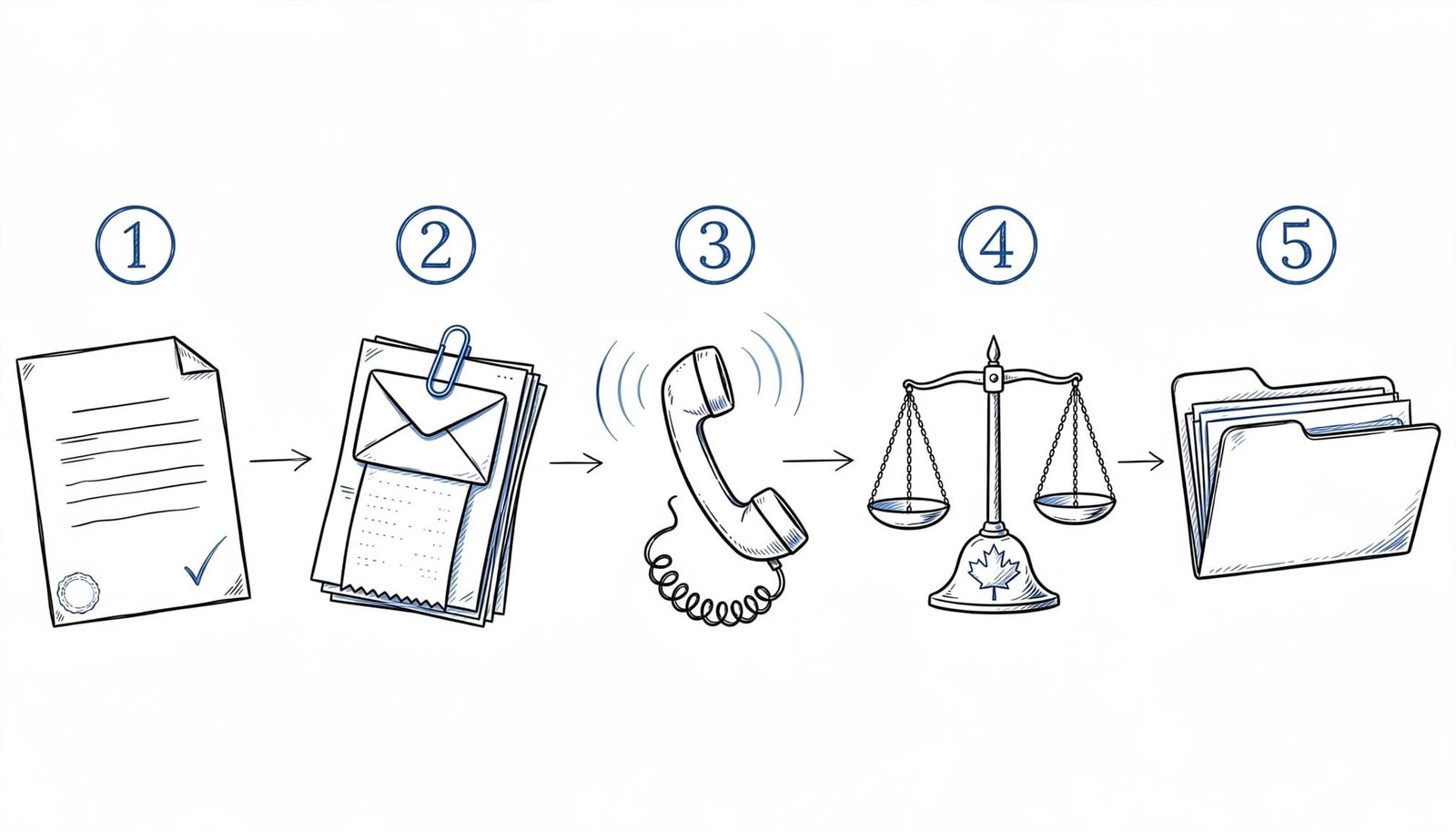
- Review the agreement. Read the written offer, signed employment contract and attachments. Identify acceptance deadlines, conditions, termination provisions, probation language and the promised start date. Note which conditions you already satisfied.
- Save evidence and expenses. Preserve emails, texts, your resignation letter and proof of acceptance. Record conversations with dated notes. Keep relocation, travel and other job-related receipts, plus evidence of lost income.
- Ask for an explanation. Request direct feedback by phone from the hiring manager or HR representative. Ask whether qualifications, a negative reference or another issue affected the decision. Then email a neutral summary and request written confirmation of the withdrawal.
- Propose practical remedies. Ask about a delayed start, remote work, another location, reduced workweeks or revised pay. NACE’s guidance on rescinded employment offers recommends considering these alternatives. If the rescinded offer cannot be restored, ask about prompt notification, expense reimbursement, written confirmation and job-search assistance. These recommendations aren’t automatic Canadian entitlements.
- Protect bonus and settlement rights. Signing bonus repayment depends on the written agreement. Vesting on acceptance versus commencement can determine whether payment is owed before starting. Don’t assume repayment is required, or sign a release without understanding it.
Apply for EI and choose appropriate legal support
Explain why you left your previous job
Leaving for reasonably assured new employment may support EI eligibility by establishing just cause. A subsequent withdrawal doesn’t automatically disqualify you, although Service Canada assesses the circumstances and other eligibility requirements.
Apply online for regular benefits promptly. In the section explaining why you quit, give the acceptance date, promised start date and withdrawal date. Explain that you resigned because you expected confirmed employment.
Keep the offer, resignation and withdrawal message available. Canada’s guidance on voluntary leaving explains the just-cause requirement. You must also meet applicable insurable-hours and availability requirements.
Distinguish statutory complaints from contract claims
BC’s Employment Standards Branch complaint process is free. Its usual filing deadline is six months after employment ends, but a pre-start contract claim may fall outside its mandate. The Branch doesn’t award common-law reasonable-notice damages.
Consult an employment lawyer about the appropriate route, contract enforceability and limitation periods. Seek advice promptly if you resigned, relocated or suspect discrimination.
The $250 to $350 first-hour consultation estimate shared on Reddit is anecdotal, not a standard fee. Legal clinics and referral services may offer lower-cost support.
Restart your search while documenting mitigation
Contact your former manager promptly if returning is realistic. Also reconnect with recruiters and employers whose opportunities you declined. Explain briefly that the accepted role was withdrawn, without criticizing the employer.
Keep a dated record of applications, interviews and outcomes. Besides organizing your search, this can support your mitigation efforts.
Our AI Resume Builder at CareerScribeAI.com helps tailor your resume to suitable openings. Use our Cover Letter Generator for targeted applications and our Interview Prep Tools to practise explaining the withdrawal professionally. Keep every claim grounded in your actual experience.
For future moves, wait for an official offer and written clearance of conditions before resigning where possible. Requesting a start date three or four weeks out can create breathing room. Disclose potential background-check issues accurately to HR early.
Frequently asked questions
Can an employer withdraw an offer after I’ve resigned?
Yes, but resignation doesn’t erase your contractual rights. Evidence that the employer knew you were leaving secure employment can matter when assessing your claim. Preserve that correspondence.
Does US advice about at-will employment apply in Canada?
Don’t assume it does. US at-will rules often limit recovery. Possible US claims include promissory estoppel, fraudulent misrepresentation, breach of contract and unlawful discrimination. Canadian compensation analysis follows different provincial employment and contract rules.
Protect your rights while securing your next role
A rescinded job offer can create a compensation claim before your first working day. Your strongest starting point is a clear written record of the agreement, withdrawal and resulting losses.
Pursue income support and suitable work while assessing remedies. Get advice before accepting a settlement that closes off further claims.