


The way you handle conflict interview questions can quickly define the tone of your job interview. If your answer sounds defensive, vague, or dramatic, a hiring manager may worry that you are prone to potential workplace conflict.
The good news is that this question is easier to prepare for than most. A strong answer shows judgment, self-control, and respect for other people, which are essential soft skills in almost every role.
Key Takeaways
- Focus on Resolution: Hiring managers aren’t looking for proof that you never have conflict; they want to see how you identify issues, remain calm, and find productive, collaborative solutions.
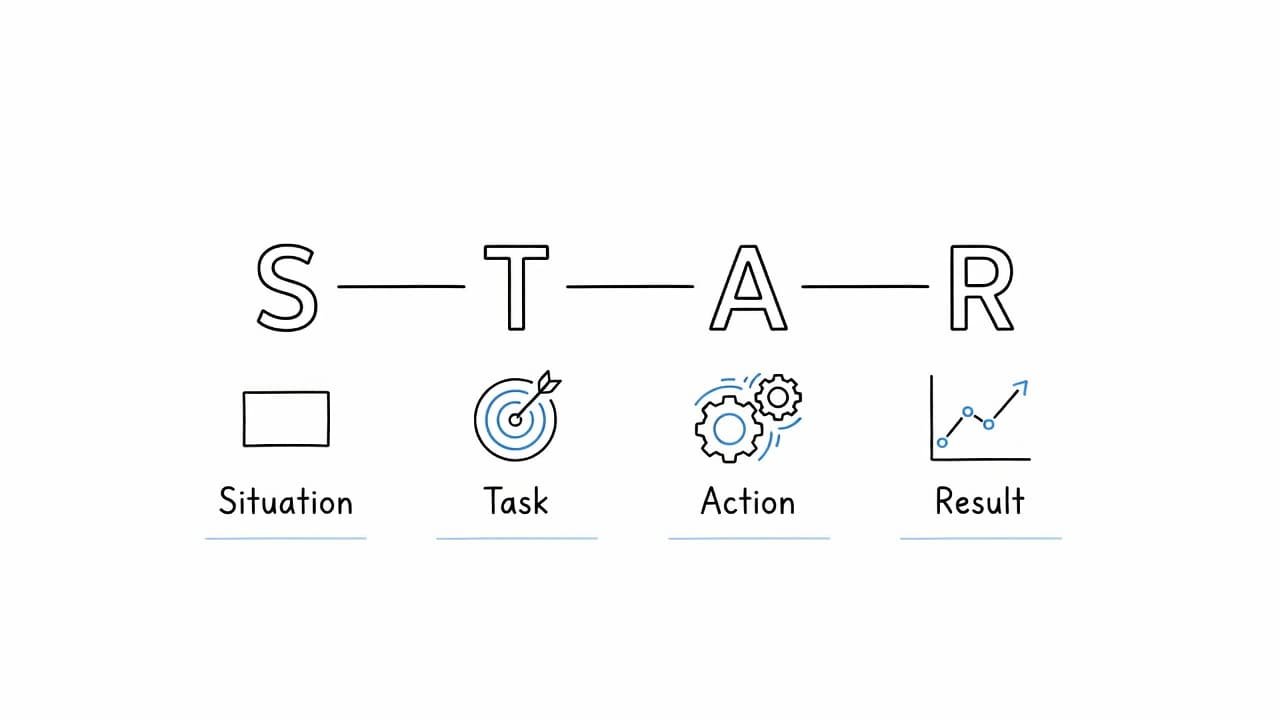
- Use the STAR Method: Structure your response using the Situation, Task, Action, and Result (STAR) framework to ensure your story remains concise and focused on your professional contributions.
- Prioritize Facts Over Drama: Frame your narrative around the problem and your objective actions rather than blaming others or complaining about personality clashes.
- Emphasize Growth: Always conclude your example by highlighting the positive outcome and what you learned, demonstrating that you can maintain relationships even after a disagreement.
What hiring managers want to hear in 2026
When a hiring manager asks how you handle conflict, they usually aren’t testing whether you’ve ever had professional disagreements. They want to know how you act when work gets tense, priorities clash, or communication breaks down.
In 2026, many teams work across chat, video calls, shared docs, and AI-assisted systems. Because of that, conflict often shows up as mixed expectations, missed handoffs, or tone problems, rather than loud arguments. The best conflict resolution interview answers show that you can stay calm, address the issue early, and keep the work moving.
A strong response usually includes four signals:
- You practiced active listening before reacting.
- You spoke directly, not through gossip.
- You focused on facts and outcomes.
- You helped repair the working relationship.
That last point matters. Employers don’t want someone who wins conflict by overpowering people. They want someone who can disagree, solve the problem, and still collaborate next week.
If you scan common behavioral interview questions like those found here, you will notice they often ask for a real example. Therefore, don’t answer with a theory like “I always stay professional.” Give a short story instead.
Among good behavioral interview tips, this one matters most: pick a conflict that had a clear resolution. A messy story with no ending leaves doubt. A grounded story with a practical fix builds trust.
Build your answer with STAR, not drama
The STAR method remains the gold standard because it keeps your response concise. It prevents you from drifting into unnecessary blame or long backstories while allowing you to effectively showcase your interpersonal skills and communication skills. Alternatively, many professionals use the CAR technique, which follows a similar structure by focusing on the Challenge, Action, and Result.
- State the situation in one or two sentences.
- Explain your role and why the conflict mattered.
- Describe the action you took, providing specific details while you stay calm.
- End with the result, highlighting what improved after the resolution.
Your action section carries the most weight. Focus on what you did rather than what the other person did wrong. For example, mention that you set up a one-on-one meeting, clarified the project goal, asked thoughtful questions, or agreed on a new process. These specific details make your answer believable and demonstrate professional maturity.
The strongest conflict answers sound calm, specific, and complete.
Keep the conflict professional. Avoid stories about personality clashes, office politics, or someone who was impossible to work with. If you sound bitter during the interview, the recruiter may wonder how you speak about teammates when challenges arise.
A quick STAR answer breakdown can help if you want another example of the format, so try our guide to describing a time you solved a problem as your next STAR story. If you are preparing several stories, CareerScribeAI.com’s Interview Prep Tools can help you match likely behavioral questions to the role. Its AI Resume Builder can also surface measurable work examples you may have forgotten, and the Cover Letter Generator can highlight the same themes so your interview story aligns with the rest of your application.
Sample answers for different experience levels
The best sample answers depend on your career stage. Regardless of your seniority, every version should highlight your emotional intelligence, maturity, and ability to manage conflict to reach a productive result. Note that these structures are also highly effective if you ever disagreed with your boss, as they focus on professional alignment rather than personal grievances.
Early career or recent graduate
If you do not have much full-time experience, draw from a class project, internship, or volunteer role involving other team members.
“I was part of a group project where a teammate kept missing deadlines. Instead of complaining to the rest of the group, I asked for a private meeting. I learned they were unclear on the task order, so I suggested a shared timeline and divided the next steps more clearly. We finished on time, and I learned to address confusion early before it turns into tension.”
Mid-level individual contributor
At this level, hiring managers want to see ownership, practical problem-solving, and a focus on finding a mutually beneficial solution.
“In my last role, a sales teammate promised a client a delivery date that operations could not meet. I set up a call with both departments the same day to compare the client commitment with our actual capacity. I kept the discussion focused on the gap rather than blame. We agreed on a revised handoff process and a shared status update before dates went to clients. That cut repeat issues and improved trust between both teams.”
Manager or team lead
Managers must demonstrate fairness, coaching, and long-term follow-through.
“Two team members disagreed often during planning meetings, and the tension started to slow down our progress. I met with each person separately before bringing them together for a discussion focused on roles, deadlines, and decision-making authority. We set meeting norms and assigned final ownership for each workstream. Over the next month, meetings became more efficient, and the group worked better because expectations were clear.”
Notice what these responses avoid. They do not turn the other person into a villain, nor do they pretend the friction never occurred. Instead, they demonstrate that you approach workplace challenges with calm, clarity, and the professional discipline that modern employers demand.
Mistakes that make your answer weaker
Even a strong example can fall flat if you frame it poorly. During a job interview, candidates often sabotage their responses in familiar ways that cause the hiring manager to lose confidence in their communication style. Avoid these common traps:
- Picking a story where you appear as the victim and fail to show personal growth.
- Telling a long, rambling narrative before explaining the core issue.
- Claiming you simply avoid conflict to keep the peace, which signals a lack of necessary problem-solving skills.
- Blaming a specific, difficult coworker, manager, or client by name, which reflects poorly on your professional maturity.
- Forgetting to emphasize the final result, which leaves your story feeling unfinished.
Also, do not claim that you have never experienced workplace friction. That rarely sounds authentic. A healthy work environment is built on diverse perspectives, and professional disagreement is a natural byproduct of balancing competing deadlines and priorities. When discussing these situations, demonstrate empathy for the other person’s position. Effective conflict management is not about proving you are right, but about finding a productive path forward.
Before your meeting, practice your answer out loud until it feels natural. If your resume already highlights teamwork wins, your narrative will land with more impact. CareerScribeAI.com’s AI Resume Builder and Cover Letter Generator can help you spot matching examples so your story stays consistent across your application.
Frequently Asked Questions
Should I say that I have never had a conflict at work?
No, claiming you have never experienced conflict often comes across as insincere or suggests you lack self-awareness. Modern workplaces involve diverse perspectives and competing priorities, so hiring managers expect you to have navigated professional friction successfully.
Is it okay to talk about a conflict with a former boss?
Yes, you can discuss a disagreement with a manager as long as you maintain a professional tone and focus on the business impact. Avoid personal attacks and instead explain how you navigated the difference in opinion to reach an alignment that benefited the project or team.
How long should my conflict resolution story be?
Your answer should be concise, ideally lasting no more than two to three minutes. Use the STAR method to keep your narrative tight, ensuring you spend the majority of your time describing the specific actions you took to resolve the issue.
What if I don’t have a ‘big’ conflict story from my career?
If you lack professional experience, it is perfectly acceptable to draw from school projects, volunteer work, or internships. The hiring manager is interested in your soft skills and problem-solving process, not the specific size or scale of the project you were working on.
Conclusion
A strong answer to how you handle conflict shows more than basic people skills. It demonstrates how you think under pressure, communicate effectively, and solve problems without damaging any professional relationship. Mastering these skills is essential for your long-term career success, as they prove you can manage conflict while maintaining productivity.
Keep your story short, real, and work-focused. If your answer demonstrates that you can stay calm and provide a clear result, you will prove your commitment to effective conflict resolution. By doing so, you will sound like a dependable team member who remains a stabilizing force when workplace friction shows up.