

A recruiter conversation can end with a clear next step or a polite goodbye. Good job fair preparation helps you connect your experience to an employer’s needs and leave knowing how to apply.
For job seekers, the goal is a useful conversation, not collecting the most business cards. Start by choosing employers you want to meet, then prepare what you’ll say and share.
Key Takeaways
- Target 5 to 10 employers and bring 15 printed resumes, plus a digital copy.
- Practice a 30- to 60-second introduction and prepare three recruiter questions.
- Record contact details, email within 24 hours, and apply promptly.
Before the Fair: Research, Pack, and Practice
1. Build a focused employer shortlist
Use the event’s employer list to select 5 to 10 priority employers. Research their careers pages and LinkedIn pages, then compare current openings that match your background.
For each opening, record the role, its main requirements, and why you’re interested. Save the posting so you can tailor your application later. Note the booth location to avoid wandering through the venue.
2. Bring paper and digital resumes
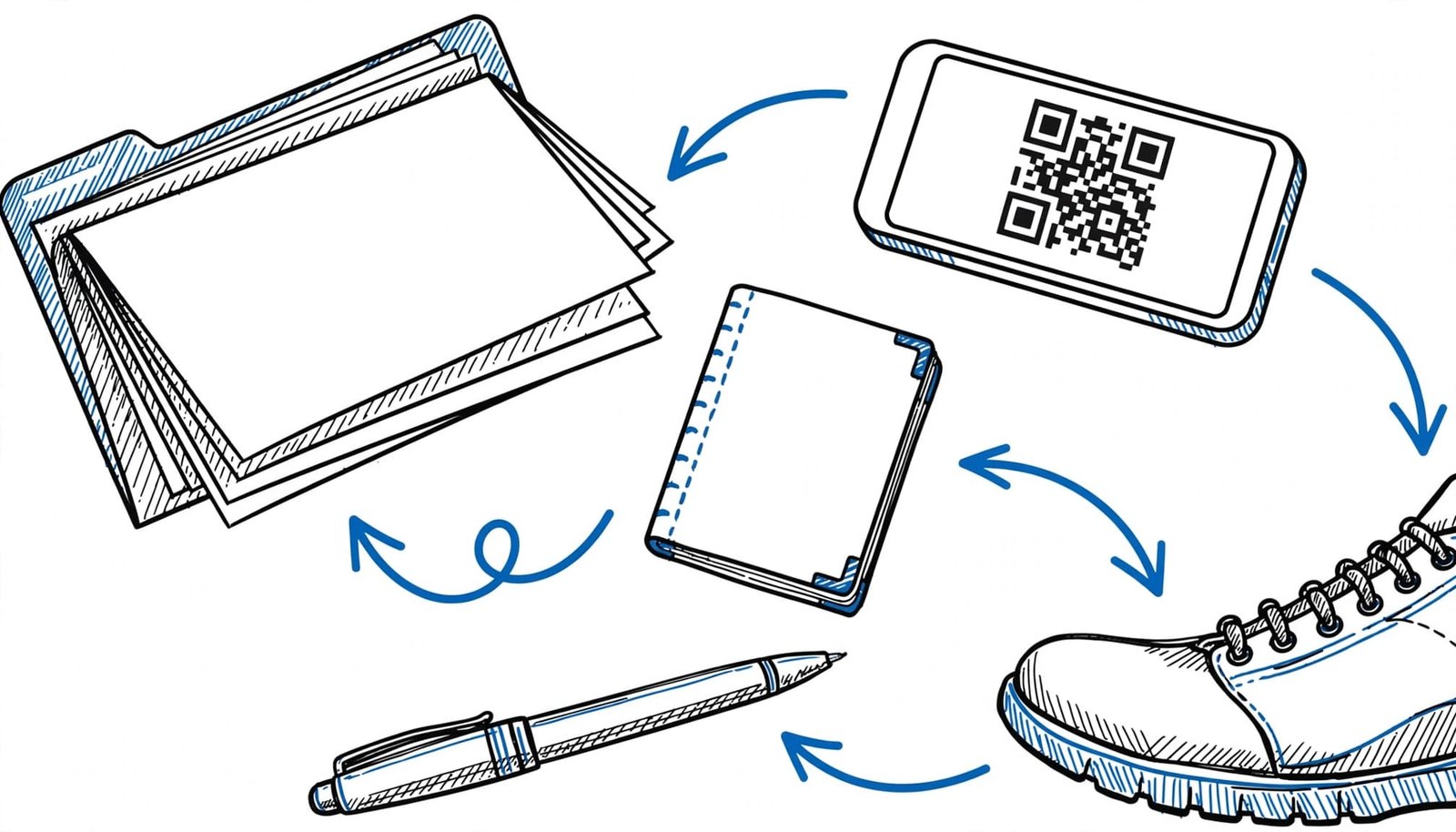
Print 15 resume copies as a practical starting point within the usual 10 to 20 range. Keep them flat in a folder, alongside a notebook and pen.
Save a digital resume as a PDF and your LinkedIn profile link on your phone. Some recruiters prefer scanning a QR code for your digital resume in Handshake instead of accepting paper. Have both ready, with sharing permissions enabled.
Our AI Resume Builder at CareerScribeAI.com helps prepare tailored versions. Our Interview Prep Tools can also help you practice discussing experience relevant to the posting.
3. Rehearse your introduction and questions
Build a 30- to 60-second elevator pitch: introduce yourself, identify your target work, describe relevant experience, and explain your interest in that employer. Prepare your pitch and questions together, as Texas A&M’s career fair guidance recommends.
Students can discuss coursework, projects, or volunteering. Experienced professionals should emphasize relevant achievements and their next career direction.
Write down three questions: “Which skills matter most for this role?” “What would the first few months involve?” “What is the next step after today?”
During the Fair: Make Each Conversation Count
4. Arrive ready to engage
At an in-person career fair, arrive early, while recruiters are fresh and queues are shorter. If you’re nervous, warm up with a lower-priority employer before approaching your top choices.
Wear business casual: a neat shirt or blouse with trousers, a skirt, or comparable professional clothing. Skip sweats, athleisure, ripped jeans, and wrinkled shirts. Comfortable shoes matter because you’ll spend considerable time standing.
Keep your phone silent. Smile, make eye contact, and offer a firm handshake when appropriate. Then deliver your introduction naturally and let the recruiter respond.
5. Respect the queue and capture next steps
At a crowded booth, keep the opening conversation brief. If a longer discussion seems useful, ask whether there’s a better time or channel to continue.
Avoid opening with salary or benefits questions. First establish your fit and learn about the role; compensation can follow as the hiring conversation develops.
Ask for business cards. If none are available, record the recruiter’s name, company, job title, and email.
After stepping away, write down the role discussed, one memorable detail, and any instructions. A recruiter directing you to apply online is giving you a next step, so follow it.
After the Fair: Follow Up Within 24 Hours
6. Send a specific thank you email and follow up
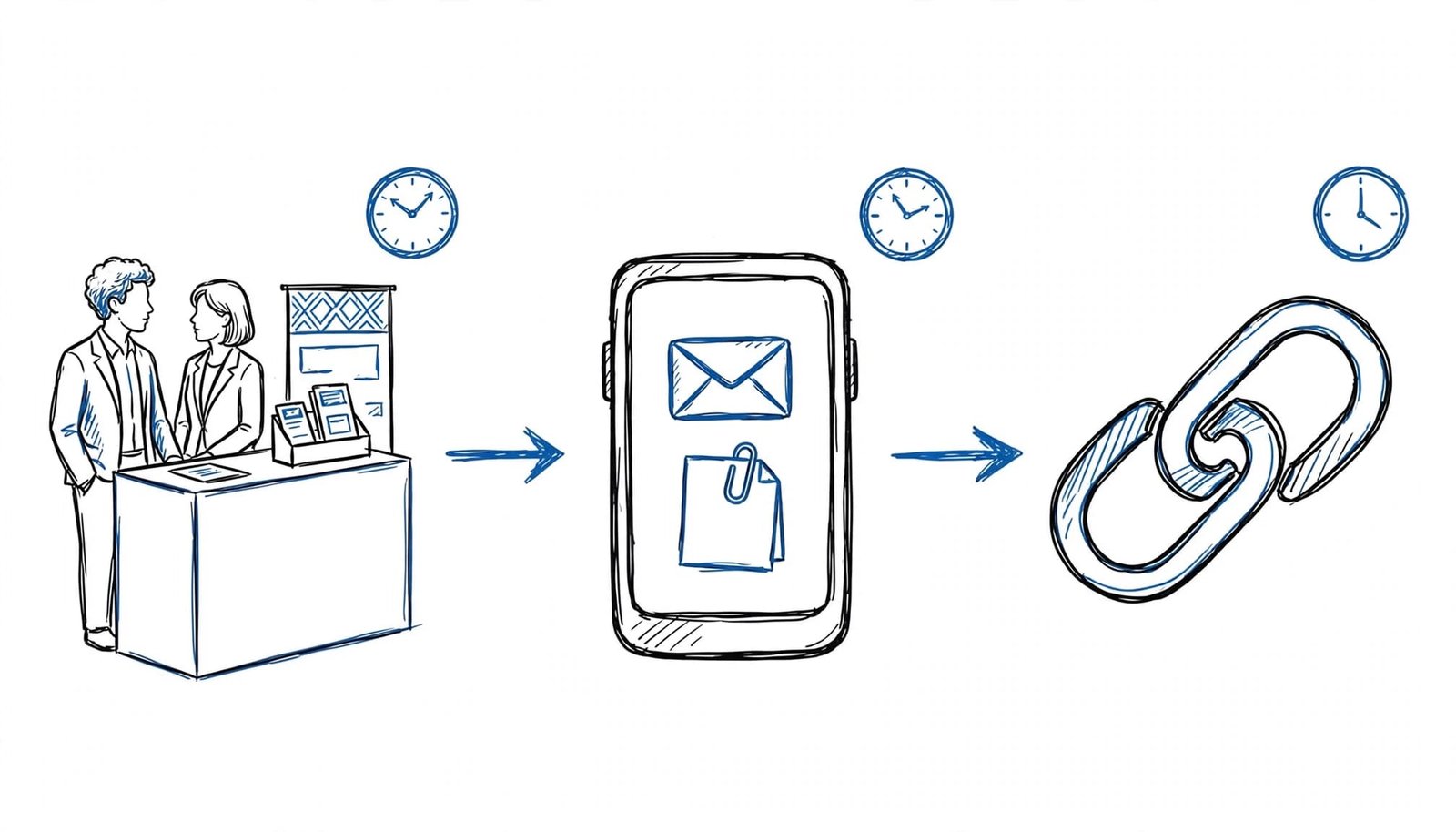
Email within 24 hours. Reintroduce yourself, reference one detail, and attach your resume. The University of Virginia’s career fair follow-up advice also recommends reintroducing yourself and mentioning your conversation.
Keep the message brief. For a conversation about onboarding, a follow-up could read:
Thank you for speaking with me at the career fair. Your explanation of the team’s onboarding process helped me understand what new hires can expect. I’m interested in the role we discussed and have attached my resume. I appreciate your guidance on the application process.
Use a subject line such as “Thank you for our conversation.” Attach the resume version most relevant to the role, with your name in the filename.
7. Apply and keep the relationship organized
Apply promptly to the role discussed through the employer’s official application process. Meeting a recruiter doesn’t replace submitting an application.
Tailor your materials to the posting. Our Cover Letter Generator can help connect your relevant experience to the role. After applying, use our Application Tracker to record the submission, recruiter contact, and follow-up reminder.
Also send a personalized LinkedIn connection request referencing your conversation. Keep it short and avoid immediately asking for a referral.
If the recruiter gave you a response timeline, follow that schedule. Otherwise, one concise follow up after about a week is a reasonable next step.
For Virtual Fairs, Prepare Your Setup Too
For virtual or hybrid events, test your microphone, camera, and internet connection before the session. Use a quiet space, a neutral background, and your full name as your display name.
Keep your resume PDF and LinkedIn profile link ready to paste into the chat. Join booked sessions early, but avoid reading your pitch word for word.
Afterward, record the same contact details and conversation notes you’d capture at an in-person booth. The follow-up process stays the same.
Frequently Asked Questions
How many employers should I plan to meet at a job fair?
Choose 5 to 10 priority employers using the event’s employer list and research their current openings. Note each booth location and why you’re interested in the roles.
What should I bring to a job fair?
Bring about 15 printed resumes, a folder, and a notebook and pen. Keep a PDF resume and your LinkedIn profile link ready on your phone as well.
What should I say when I meet a recruiter?
Prepare a 30- to 60-second introduction that covers your target work, relevant experience, and interest in the employer. Ask questions about the role, its requirements, or the next step in the hiring process.
When should I follow up after a job fair?
Email the recruiter within 24 hours, mention a detail from your conversation, and attach a relevant resume. Apply through the employer’s official process, then follow the recruiter’s timeline or send one concise follow-up after about a week.
Turn Preparation Into a Clear Next Step
Strong job fair preparation gives you a focused shortlist and a confident introduction. Specific notes help you write a follow-up the recruiter can recognize.
Treat each conversation as the start of an application process. Your strongest next move is a timely, tailored application that follows the recruiter’s instructions.