

You can prepare thoroughly for a job interview and still struggle when an interviewer asks for a concrete example. Preparing for an in-person interview means connecting your experience to the employer’s needs, then handling the meeting calmly.
In 2026, AI tools can help you rehearse, but credible evidence makes your answers convincing. Start by confirming the meeting’s purpose, then build your preparation around the actual role.
Key Takeaways
- Confirm whether the meeting is a formal job interview or an informational interview, and tailor your preparation to its purpose.
- Match the role’s priorities to specific, verifiable examples from your experience; use STAR stories to organize behavioral answers.
- Rehearse aloud, research the employer, prepare thoughtful questions, and plan your travel, clothing, and materials in advance.
- Build rapport by listening carefully and answering naturally, then confirm next steps and send a concise thank-you note within 24 hours.
Confirm What Kind of Meeting You’re Attending
A formal job interview evaluates your suitability for an open position. An informational interview explores someone’s work, organization, or career path.
For formal hiring, confirm the hiring managers, expected duration, assessments, and location, as well as which employment opportunities are under consideration. As part of the hiring process, ask whether salary expectations will be discussed. If you completed a phone interview, revisit the priorities discussed rather than repeating your introduction unchanged. Also ask whether any part of the meeting will be a virtual interview and whether anyone will join remotely.
For an informational interview, prepare questions about the person’s experience, industry, and career path, and seek career advice where appropriate. Keep your resume available, but offer it when requested or relevant. Networking events can help you build your professional network and make professional connections. Stay in touch to maintain professional connections, but don’t turn a networking conversation into an unsolicited hiring pitch.
Research the Role Before Rehearsing
Turn the job description into an evidence map
Save the complete job description. Identify its main responsibilities and must-have skills, then match each priority in the job description to something you’ve done.
CareerScribeAI.com’s AI Resume Builder can help tailor your application materials. However, check every suggested claim against your experience. If you used its Cover Letter Generator, reread that letter too.
Your interview answers should support the same achievements and qualifications you submitted. A resume match score can highlight gaps, but it doesn’t predict a hiring decision.
Investigate the employer’s current priorities
Review the company’s website, recent announcements, relevant social media, and the interviewers’ public professional profiles. Look for details that affect the role and shed light on company culture, such as a product launch or team expansion. Consider industry trends and the broader job market when interpreting company announcements.
Then prepare a clear explanation of why this particular opportunity interests you. Connect your motivation to the work itself.
Also check stated expectations around office attendance, travel, and collaboration. These details help you assess fit and company culture without relying on broad claims.
Prepare Answers You Can Deliver Naturally
Build a small bank of STAR stories
Prepare four or five examples covering achievement, collaboration, conflict, setbacks, and problem-solving. Use STAR: Situation, Task, Action, Result.
Keep the background brief. Spend most of your answer on your actions and the outcome. Use numbers when you can verify them, and explain your individual contribution to team results.
CareerScribeAI’s Interview Prep Tools suggest behavioral and technical interview questions based on your resume and the posting. Treat them as practice prompts, not predictions.
Practice aloud, including follow-up questions. Memorize the facts rather than a script.
Rehearse your introduction and prepare questions
Prepare a concise answer to “Tell me about yourself.” Connect your relevant experience, current strengths, and interest in this position.
Also rehearse explanations for career changes or employment gaps. Keep them factual and forward-looking. Research salary expectations and prepare a truthful response in case compensation comes up.
Choose questions that reveal working expectations: “What should this person accomplish in the first 90 days?” and “How does the team evaluate successful performance?”
When speaking with someone about their field, ask about career decisions, useful skills, and challenges in the field instead.
Plan Your Arrival, Clothing, and Materials
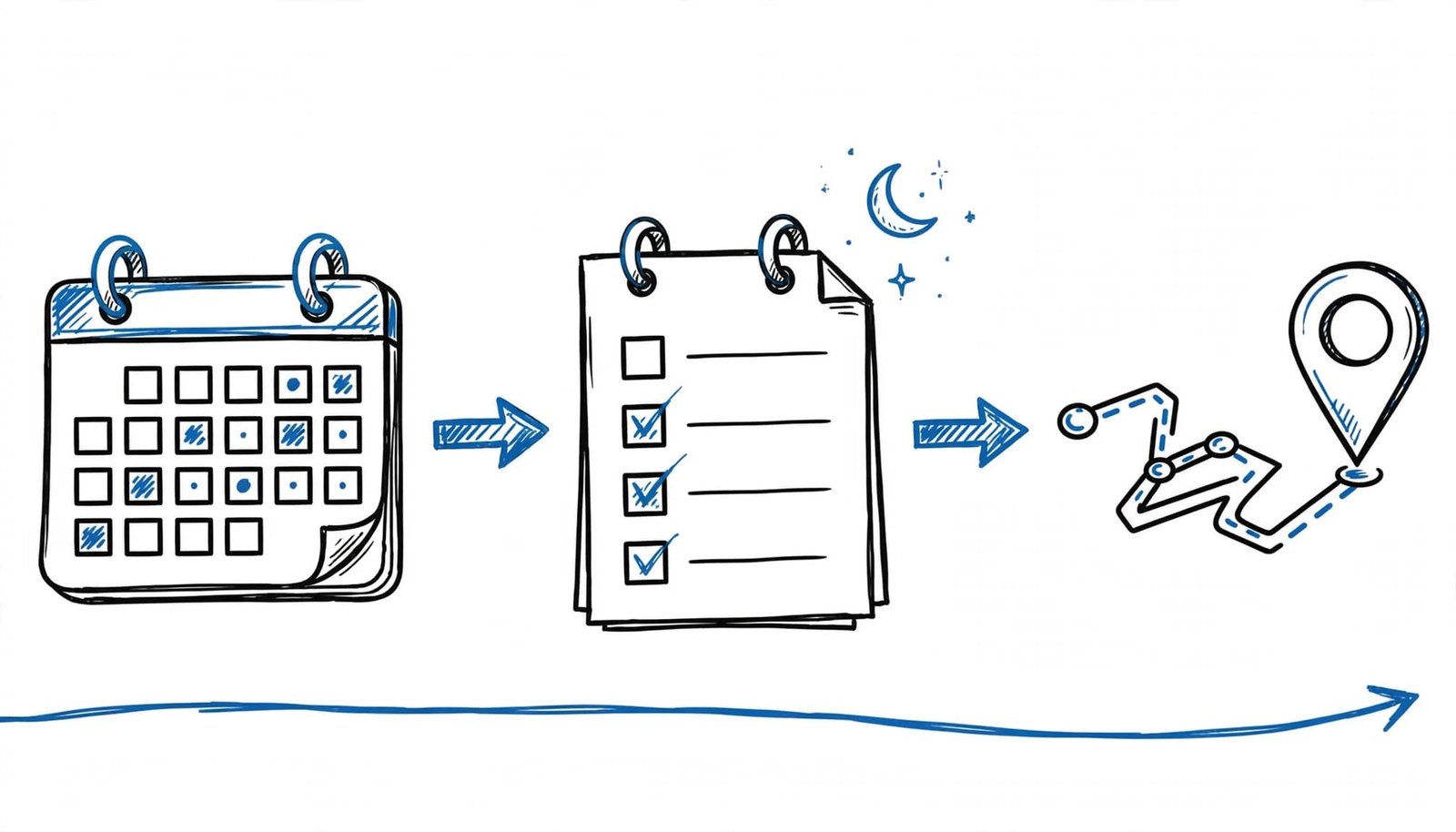
Several days beforehand, confirm the building entrance, parking or transit options, and any security requirements. Ask whether you need identification, a portfolio, or equipment for an assessment.
Request any interview accommodation early, contacting the recruiter or human resources when appropriate. For U.S. applicants, the EEOC’s disability inquiry guidance explains limits on related pre-offer questions.
The evening before, choose clean, comfortable clothing suited to the workplace, keeping a first impression in mind. Ask the recruiter about the dress code if you’re unsure. A conservative business setting may call for a suit; other workplaces may expect polished business casual.
Pack printed copies of your application materials, a notebook, a pen, and any requested materials. Bring a business card if it’s relevant, and save the recruiter’s contact details.
Allow extra travel time and aim to reach reception roughly 10 minutes early, unless instructed otherwise. Silence your phone before entering.
Build Rapport Without Forcing It
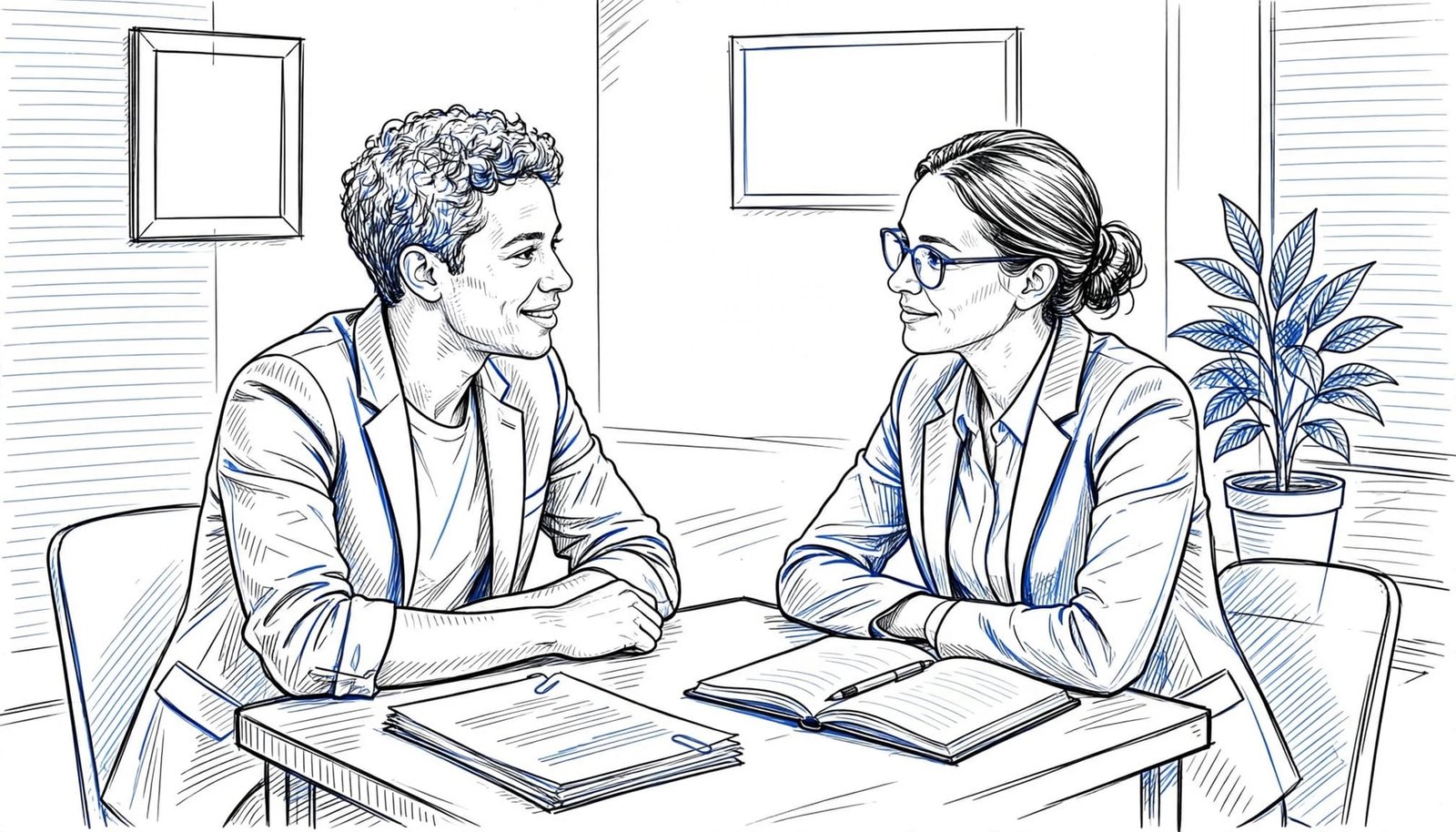
Treat reception staff and interviewers courteously; that respectful start contributes to a positive first impression. During the candidate interview, use natural eye contact, sit comfortably, and listen without preparing your next answer while someone speaks.
Before answering a complex question, pause briefly. If the wording is unclear, ask for clarification. For panel interviews, begin with the person who asked, then include others naturally.
When nerves rise, slow your breathing and focus on the question’s concrete requirements. You don’t need to eliminate anxiety to give a useful answer.
If a question becomes personal, redirect toward your ability to do the job. For example, explain your availability rather than discussing family plans.
The EEOC’s guidance on hiring questions advises U.S. employers to avoid inquiries about protected characteristics. Some personal questions can indicate discrimination; legal treatment depends on context.
Close Clearly and Follow Up
Before leaving, confirm the next steps and expected timeline. Ask whether the interviewer needs any additional information about your qualifications.
Send a concise thank-you note by email within 24 hours as a practical courtesy. Mention one meaningful discussion point and connect it to your relevant experience. If necessary, briefly clarify an answer.
Record the conversation, outstanding questions, and follow-up date in your application tracker. If the stated timeline passes, send a polite follow-up message.
Afterward, note which answers felt weak so you can improve them before the next meeting.
Frequently Asked Questions
How early should I arrive for an in-person interview?
Plan extra travel time and aim to reach reception about 10 minutes early, unless the recruiter gives different instructions. Confirm the entrance, parking or transit options, and any security requirements beforehand.
What should I bring to an in-person interview?
Bring printed copies of your application materials, a notebook, a pen, and any materials the employer requested. Check in advance whether you need identification, a portfolio, or equipment for an assessment.
How should I prepare answers to interview questions?
Prepare four or five STAR stories that cover areas such as achievement, collaboration, setbacks, and problem-solving. Practice aloud, memorize the facts rather than a script, and be ready to explain your individual contribution.
Should I send a thank-you note after an in-person interview?
Yes. Send a concise email within 24 hours, mentioning a meaningful point from the discussion and connecting it to your relevant experience.
What should I do if I feel nervous during the interview?
Slow your breathing and focus on the concrete requirements of the question. You can pause briefly or ask for clarification before answering; you don’t need to eliminate anxiety to give a useful response.
Walk In With Evidence You Can Explain
Thoughtful preparation in a changing job market gives you specific examples and fewer logistical distractions. Research the role, rehearse honestly, and leave room for a real conversation.
Your goal is to show how you work and assess whether the opportunity fits. Clear, verifiable evidence carries more weight than a perfectly memorized performance.