


A strong interview can lose momentum when your references receive a call they weren’t expecting. Preparing for a job reference check helps job candidates give references useful context without scripting their answers.
You don’t need rehearsed praise; you need specific, firsthand evidence that supports your application during the hiring process. Choose references who know your work, then coordinate details discreetly to protect your current job.
Key Takeaways
- Choose references who directly observed work relevant to the role, and confirm they’re comfortable providing a professional reference before sharing their contact details.
- Give references a short brief with the job description, your submitted resume, and examples of work you shared—but don’t script their answers or overstate your contribution.
- Protect your current job by telling the recruiter about confidentiality concerns and asking them not to contact your current supervisor without discussing it with you first. Get any agreed restriction in writing, since employers may not be able to change their policies.
- Check application details for accuracy, get permission before sharing personal contact information, and avoid sharing confidential company information.
- Notify references when a check is expected, keep a backup available, and thank them afterward.
Understand What Employers Want to Confirm
During the recruitment process, an employment reference check helps hiring managers compare your application with former employers’ accounts. They may ask about your employment history, responsibilities, collaboration, or performance.
However, employment verification and a performance reference aren’t interchangeable. Human resources may confirm your title and dates, while a former supervisor can discuss your work. Broader background checks may involve separate screening procedures, while a character reference focuses on personal qualities.
Keep references on a separate document. CareerScribeAI’s resume examples and writing guidance recommends leaving both reference details and “references available upon request” off your resume.
Choose References Who Can Support Your Application

Match Each Person to the Work
Start with people who directly observed the skills your target role requires. Former employers can discuss your accountability and performance. A project lead or client may offer stronger examples of specialized work from your professional experience.
Follow the employer’s requirements for reference relationships and numbers. Job candidates early in their careers can ask whether an internship supervisor, instructor, or volunteer coordinator qualifies. A character reference may not meet a request for a professional reference.
Ask Permission Before Sharing Contact Details
Ask directly: “Would you feel comfortable giving me a positive professional reference for this role?”
That wording gives someone room to decline. If they hesitate, consider another person rather than pressuring them.
Also confirm their current title, preferred email, phone number, and availability. Ask whether their employer restricts references to factual verification. Then record how you worked together so the recruiter understands why you’ve selected them.
Give Your References a Short, Useful Brief
Job candidates can help references prepare by refreshing their memory and explaining the opportunity. Don’t ask anyone to repeat claims they can’t verify.
Share the Role and Your Final Application
Send a compact preparation packet:
- Include the job description and your submitted resume.
- Identify the responsibilities or skills most relevant to your shared work.
- Explain who may contact them, through which channel, and within what timeframe, if the recruiter has provided those details.
If you used CareerScribeAI.com’s AI Resume Builder or Cover Letter Generator, compare the final drafts with what your references directly observed. Check titles, dates, project ownership, and results before sharing them.
This review matters because tailored language can accidentally overstate your responsibility. Correct discrepancies before the employer starts checking.
Refresh Real Examples, Not Scripted Answers
Remind each reference about relevant projects and your contribution. Include documented outcomes when available, but leave confidential company information out.
Canada’s Public Service Commission’s structured reference-check guide covers question types, forms, and interview responsibilities. Consider how a reference could answer reference check questions about soft skills and work performance. They may also be asked about deadlines, feedback, and development areas.
CareerScribeAI’s Interview Prep Tools can help identify likely behavioral topics. Use those prompts to recall shared experiences, then let each reference describe what they witnessed in their own words.
Protect Your Current Job During the Reference Check
Set Contact Boundaries in Writing
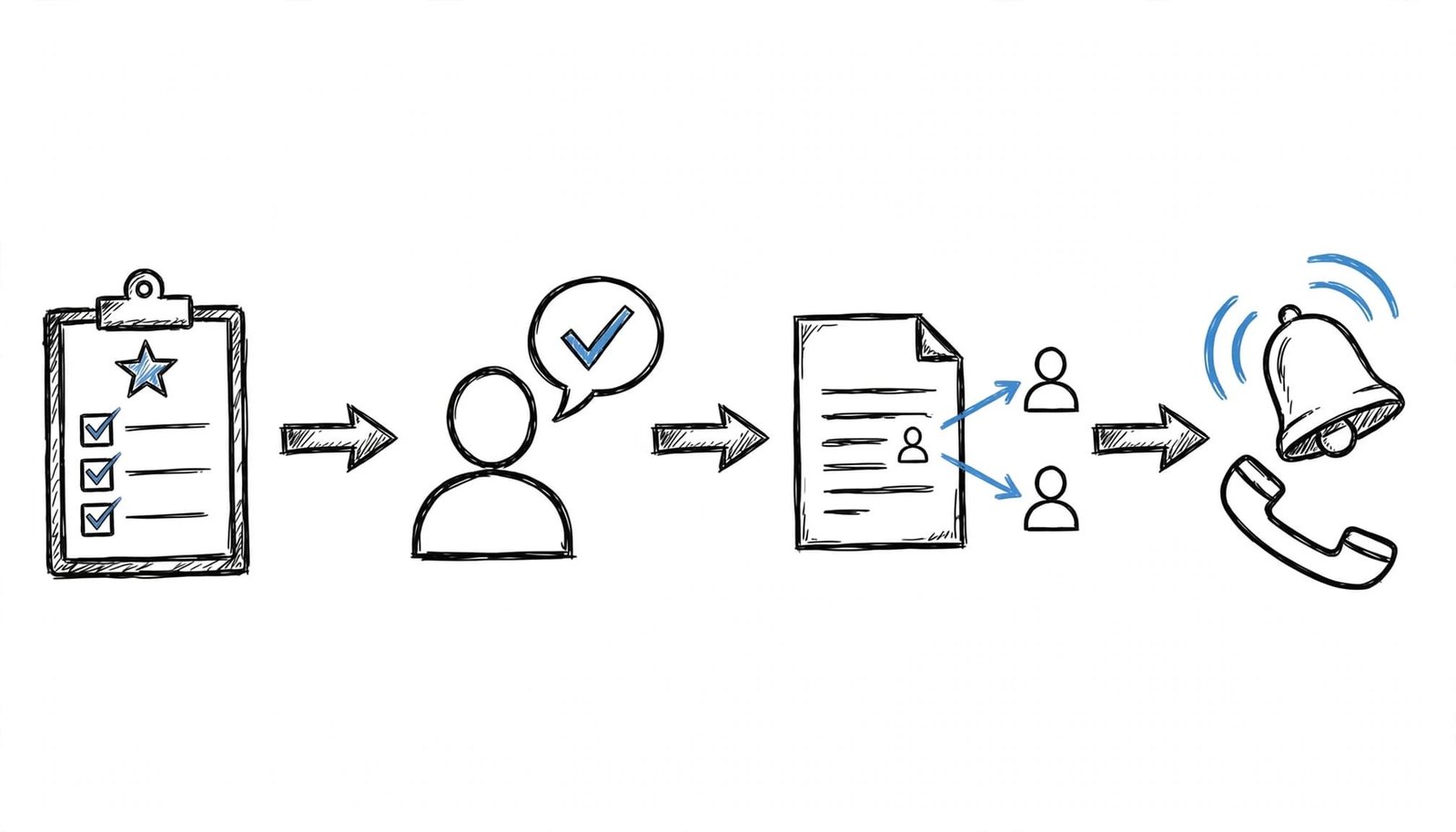
Ask the recruiter when an employment reference check will take place and whether a current supervisor is required. Don’t assume that submitting a contact list settles every confidentiality concern.
You can say: “My current employer doesn’t know I’m searching. Please don’t contact my current supervisor without discussing it with me first. I can provide former supervisors now.”
If the employer insists, ask whether contact can wait until other assessments are complete or you’re closer to a job offer. Before the reference check process moves forward, get any agreed restriction in writing. Don’t assume every employer can change its hiring policy.
Coordinate Contact and Keep a Backup
Once the recruiter confirms the next step, notify your references. Share the employer’s name and any known deadline so an unfamiliar call or screening email doesn’t catch them off guard.
Maintain an alternative reference in case someone becomes unavailable. If a reference misses a message, check their availability before repeatedly following up.
Afterward, thank them and update them on the outcome. Avoid asking them to disclose every question or promise a particular assessment.
Handle Privacy and Difficult Feedback Carefully
Canadian privacy requirements vary by jurisdiction, sector, and applicable law. The Office of the Privacy Commissioner of Canada’s workplace privacy guidance says meaningful consent is generally required unless an exception applies. Don’t assume PIPEDA or provincial PIPA rules create one universal consent requirement.
Ask what information the employer intends to collect and which references it plans to contact. Get permission before sharing a reference’s personal contact details, including for a character reference. Unauthorized or inaccurate disclosures may carry legal liabilities, depending on the circumstances. Avoid uploading those details into AI tools when they aren’t needed.
If a reference anticipates giving negative feedback, ask what they observed so you can address potential reference check red flags with a factual explanation of what changed. Don’t pressure them to conceal relevant information or exaggerate your performance.
Limited feedback from human resources or former employers may reflect company policy. If an employer raises a discrepancy, request an opportunity to clarify it with accurate records.
Frequently Asked Questions
How many references should I provide?
Follow the employer’s instructions about the number and type of references required. If the requirements aren’t clear, ask the recruiter whether a professional reference is needed and whether an instructor or volunteer coordinator qualifies.
What should I send my references?
Share the job description, your submitted resume, the skills or responsibilities related to your shared work, and any known contact details or deadline. Check that the information is accurate, and leave confidential company information out.
Can I ask an employer not to contact my current supervisor?
Tell the recruiter that your current employer doesn’t know you’re searching, and ask them not to contact your supervisor without discussing it with you first. You can offer former supervisors and ask whether contact can be delayed, but an employer may not be able to change its policy.
What if a reference may give negative feedback?
Ask what they observed so you can prepare a factual explanation of what changed, but don’t pressure them to conceal relevant information or exaggerate your performance. If the employer raises a discrepancy, request an opportunity to clarify it with accurate records.
Make Your References Ready, Not Rehearsed
A useful job reference check starts with relevant people, accurate application details, and clear contact arrangements. Good reference check tips help references recall your work without controlling their answers.
Before an employment reference check, confirm permission and provide a short role brief. Protect confidentiality, keep a backup ready, and follow up professionally, letting firsthand evidence support the impression you made in the interview as employers consider a job offer.