


A hiring manager isn’t asking you to claim you dreamed about a job at age eight. They want evidence you understand the day-to-day work and can stay engaged in its actual responsibilities, a foundation for job satisfaction.
The phrase why choose this career answer should introduce a clear structure, not a grand passion story. Connect a genuine interest or influence to your skill set, personal goals, and the work direction you want next. Practical reasons, including reliable work or earning potential, are valid, but they shouldn’t stand alone; explain the positive difference you hope to make.
Keep it personal, job-relevant, and brief enough to invite a follow-up question.
Key Takeaways
- Build your answer around a genuine interest or strength, a specific catalyst, and a forward-looking professional goal.
- Show that you understand the career’s everyday responsibilities, including its less glamorous parts.
- Practical reasons such as income, stability, and advancement are valid when connected to your fit for the work and the contribution you want to make.
- Support your motivation with evidence from work, education, volunteering, projects, or other real experiences.
- Keep your response personal, credible, and concise—ideally 45 to 75 seconds, with room for follow-up questions.
Why a hiring manager asks about your career path
This interview question helps assess motivation, self-awareness, and long-term commitment. It also tests whether you recognize the less glamorous parts of the profession, rather than repeating polished company values.
Choosing a profession needn’t be a childhood calling. A customer service candidate may enjoy resolving tense conversations, while an analyst may prefer turning messy information into decisions. Both can show a solid fit between a person and a career path.
Keep this separate from “Why do you want this job?” The career question covers the work you chose. The job question focuses on this employer, team, workplace culture, and opening. Michael Page’s job-specific answer examples show how the second response should focus more closely on the role itself.
A useful piece of career advice is to include a motive, supporting evidence, and a forward link. Use only details you can defend during follow-up questions.
A believable answer names what attracts you to the work and shows that you have tested that interest in real situations.
Build a why choose this career answer in three parts
For this interview question, use the following sequence, then adapt the language to your own experience.
- Start with a genuine interest or strength. You may enjoy explaining complex ideas, solving customer problems, organizing details, or working with data.
- Name a catalyst that made the interest more concrete. A mentor, teacher, manager, book, course, volunteer role, or personal experience can work well.
- Connect it to your professional goals. Explain what you want to keep learning, improve, or contribute in this career.
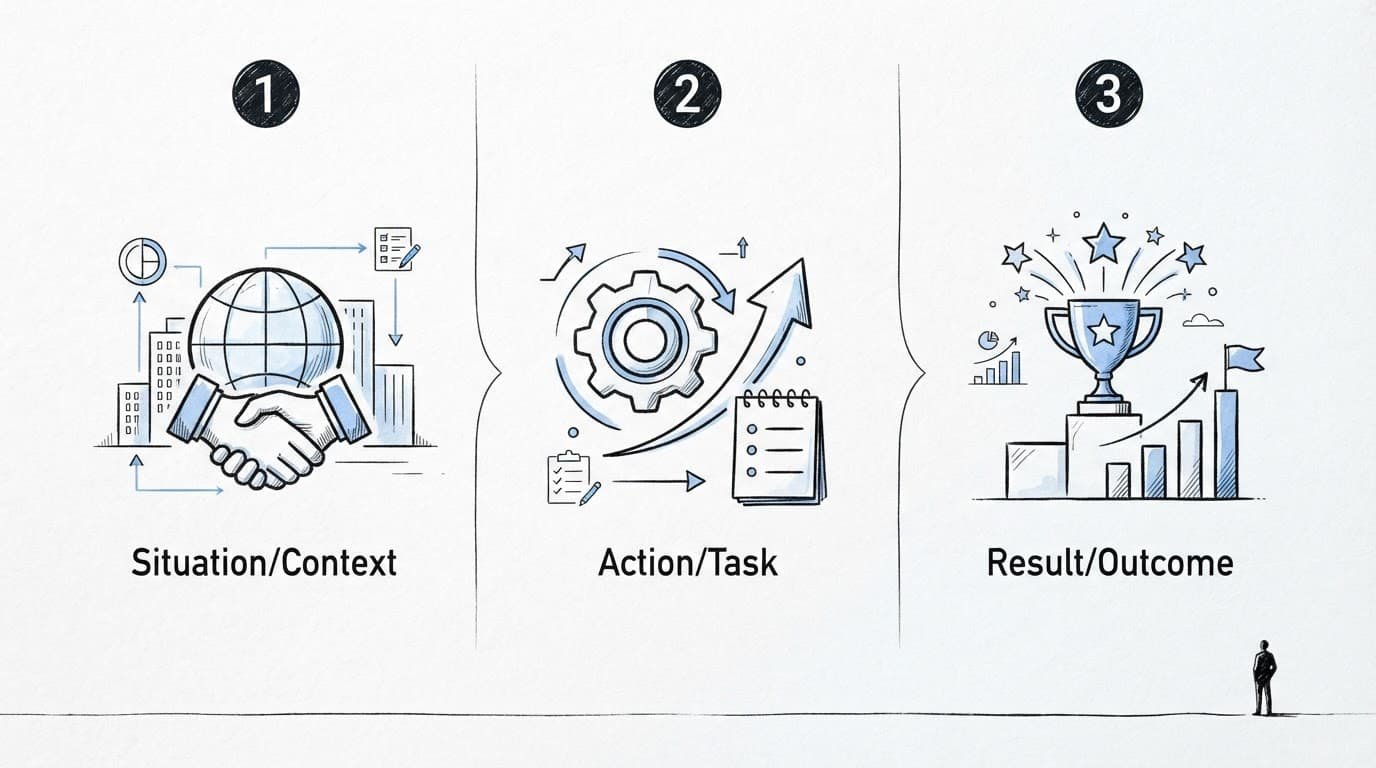
Aim for 45 to 75 seconds. If you include a brief example, use a simple situation, action, and result structure. CollegeGrad’s STAR answer approach can help you recall a useful detail without turning your answer into a long biography.
Entry-level candidates can use class projects, volunteering, campus roles, part-time work, or independent learning as evidence of transferable skills when they lack extensive professional experience. Before finalizing, compare your response with the job description. CareerScribeAI’s resume builder and prep tools connect the AI Resume Builder, Cover Letter Generator, and interview prep tools, so your resume, application, and interview tell the same story.
Be honest about money, especially in sales roles
Money matters. Most people need stable work, benefits, career advancement, and room to grow. However, saying “I chose this because it pays well” gives the interviewer nothing about your fit for the work.
Translate the practical reason into a professional one. In sales work, explain that earning potential appeals to you. It connects clear goals, challenging targets, and measurable performance with responsibility for results. Support that point with evidence, such as enjoying client conversations, improving a conversion process, or following through with customers.

Frame a practical career choice around the work you are prepared to do. A hiring manager doesn’t expect every candidate to be driven by one pure passion.
Answer examples for customer service, healthcare, and technical roles
Treat these “interview answers” as raw material, not a script. Your “why choose this career answer” should match the experience on your resume.
- For a customer-facing or retail role, say: “I enjoy helping people move from frustration to a clear solution. In customer-facing work, I learned to listen carefully, stay calm, and explain options simply. I want a career where those skills improve the experience customers have with a business.”
- For sales roles, say: “I chose sales because I enjoy relationship-building and measurable performance. I like learning what a client needs, making a useful recommendation, and seeing steady effort produce results. I also want to develop stronger negotiation and account-management skills.”
- For healthcare roles, say: “My interest grew after seeing how much clear communication affects a patient’s experience. I want work that requires accuracy, empathy, and continuous learning. This path lets me build those skills while contributing to reliable care.”
- For technical work, say: “I was drawn to technology because I like troubleshooting and making processes work better. Coursework and independent projects confirmed that I enjoy structured problem-solving. I want to keep developing technical depth while helping users solve real problems.”
Answers that weaken your interview
Before a job interview, avoid responses that make your motivation sound temporary or disconnected from the work.
- “I need any job right now” suggests you haven’t considered the work or employer.
- “My family told me to choose this field” can provide background, but it still needs your own reasons and experience.
- “I plan to move into something else soon” raises concerns about commitment and training costs.
One of the most useful interview tips is to practice aloud until the response sounds like your normal voice. Then prepare for connected questions about your experience, strengths, and professional development. The why should we hire you answer guide can help you link your career motivation to the value you can bring to the employer.
Frequently Asked Questions
How long should a “Why choose this career?” answer be?
Aim for about 45 to 75 seconds. Include your main motivation, one supporting example, and a connection to your professional goals without turning the response into a full biography.
Can I mention salary or job stability as a reason?
Yes, but these reasons should not stand alone. Connect earning potential, benefits, or stability to the work you are prepared to do and the value you want to create.
What can entry-level candidates use as supporting evidence?
Class projects, volunteering, campus roles, part-time work, independent learning, and personal experiences can all demonstrate transferable skills. Choose examples that relate directly to the responsibilities of the career.
How is this question different from “Why do you want this job?”
“Why choose this career?” focuses on the profession and the type of work you want to pursue. “Why do you want this job?” is more specific to the employer, team, workplace, and opening.
What should I avoid saying in my answer?
Avoid answers that suggest you will accept any job, are choosing the field only because someone else told you to, or plan to leave soon. Practice until your response sounds natural, and make sure every detail matches your resume and experience.
Final thoughts
A strong answer gives an interviewer a believable bridge between your past and the work ahead. It addresses practical needs while showing how daily responsibilities fit your strengths, support engagement, and build job satisfaction.
Choose one true moment, add proof, and connect it to your next role, where you’ll make a positive difference. Credibility will carry further than a perfect-sounding script.