

Made it to a second interview? That usually means the company already sees a real match. If you are looking for effective second interview tips for 2026, you are in the right place to stand out in today’s evolving job market.
The bar changes for this stage. While the first round focuses on the basics, the second round tests your proof, professional judgment, and cultural fit. Following a short prep plan will help you walk into the room feeling calm, sharp, and ready to secure the offer.
Key Takeaways
- Shift from pitch to proof: In 2026, the second interview tests your professional judgment and ability to provide concrete evidence; use the STAR method to structure your responses.
- Ensure narrative consistency: Review your initial interview notes, resume, and online profiles to ensure your spoken examples align perfectly with the professional story you have already presented.
- Focus on a 4-step prep plan: Efficiently prepare by analyzing the job description, building four core ‘proof’ stories, drafting thoughtful questions for the interviewers, and rehearsing for the specific interview format.
- Prioritize clarity and brevity: Keep answers focused and impactful; use measurable data and clear examples to help interviewers, who may be using structured scorecards, capture your value effectively.
What the second round tests now
In 2026, second interviews are more structured than many candidates expect. Employers often use competency-based formats, asking the same core questions to each finalist and scoring answers against soft skills, commercial awareness, and role fit. Current hiring trends also favor skills-first screening, faster timelines, and hybrid interviews.
Because of that, you need more than a polished pitch. You need examples that show how you solve problems, work with others, and make decisions under pressure. Many hiring teams also add a work sample, a case, or a role-play in this round to see your approach in action.
Common advice on second interview questions still applies, but 2026 hiring puts more weight on evidence. If you say you improved a process, be ready to explain the starting point, your action, and the result. Entry-level candidates can use class projects, internships, or volunteer work. Senior candidates should show scope, trade-offs, and business impact.
This round also tests consistency. Review your first interview notes to ensure your verbal answers align with what was previously discussed. Then, compare these details with your resume, cover letter, and LinkedIn profile. If you used CareerScribeAI tools to build your application, revisit the achievement bullets you submitted. Your hiring manager will look for alignment between your spoken examples and the professional story your application already tells.
A 4-step prep plan you can finish in a day
Second interview preparation does not have to take over your week. If you are figuring out how to prepare for a second interview, keep the work focused and concrete.
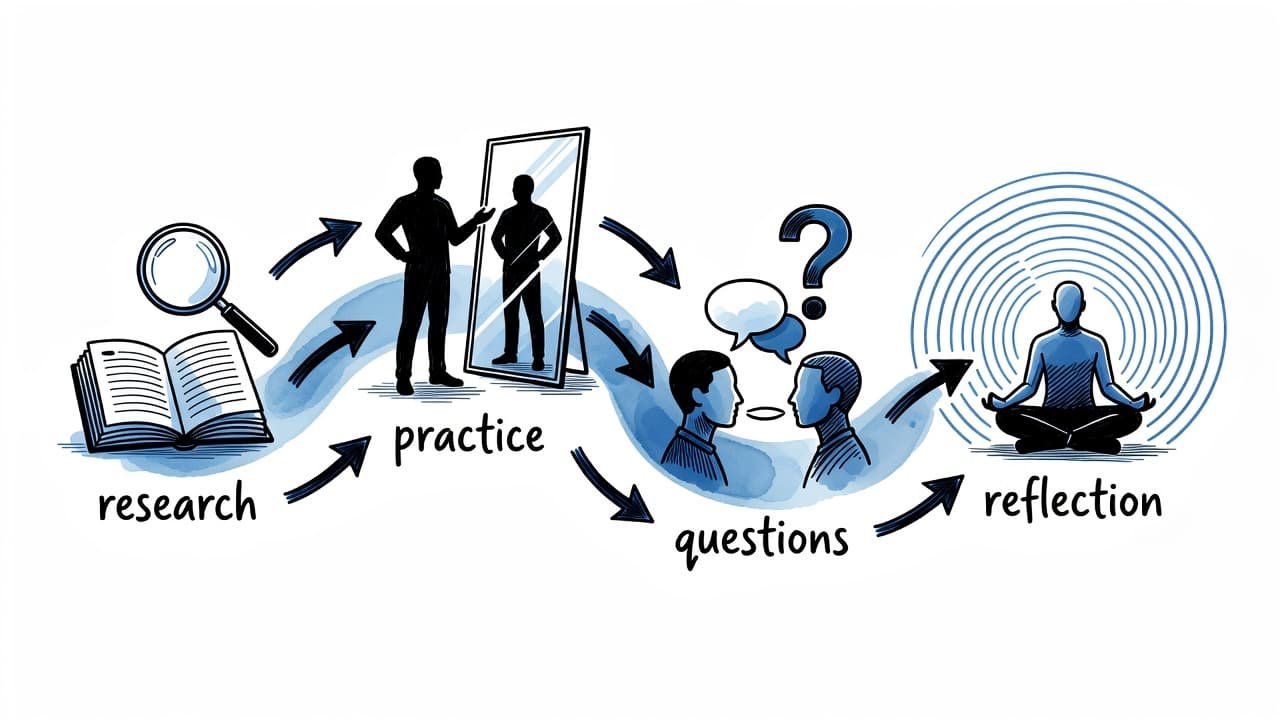
This quick plan keeps you on track:
| Step | Focus | What you need by the end |
|---|---|---|
| 1 | Re-read the job description | Three skills the employer cares about most |
| 2 | Build proof stories | Four examples using the STAR method |
| 3 | Prepare your questions | Three smart questions for the team |
| 4 | Rehearse the format | A calm delivery for video, panel, or case interviews |
Start with the job description and your first-round notes. Circle the skills that came up more than once. Then match each one to a story from your experience. Strong second round interview tips for 2026 all point in the same direction: show direct proof for the role in front of you.
Next, build four stories you can tell in under two minutes using the STAR method. Use one story for problem-solving, one for teamwork, one for conflict or feedback, and one for learning fast. Keep the structure simple. State the situation, explain what you did, and end with measurable results that prove your impact.
Then focus on your questions to ask, which should demonstrate your professional judgment. When considering the best questions to ask, prioritize inquiries about how success is measured in the first 90 days, what problems the team wants solved first, and how the team dynamics will influence your daily workflow. Indeed’s guide to succeeding in a second interview makes the same point: thoughtful questions help separate finalists.
Finally, rehearse the format you expect. If several leaders will join, review tips for a panel interview to ensure you can engage multiple people at once. If the role includes an exercise, this case study interview preparation guide can help you structure your thinking. CareerScribeAI’s Interview Prep Tools can also turn a job description into likely questions and STAR-based talking points.
Stronger answers to common second interview questions
Second interview questions usually go beyond introductory prompts. At this stage, hiring managers use behavioral questions and situational questions to test your depth, pattern recognition, and professional judgment. This means your answers should be tighter and more focused, not necessarily longer.
Expect to face a variety of role-specific questions as the panel digs into your technical or functional expertise. A few key topics show up often in the second round:
- What would you do in your first 30 days? Instead of a vague answer, frame your response as a 30 60 90 day plan. Mention how you would learn the product, team, and success measures before proposing any major changes.
- Tell us about a hard decision. Focus on your decision-making process rather than just the final result. Hiring managers want to see how you weighed different options and navigated trade-offs.
- Why this company, and why now? Use your company research to connect your personal career goals with the organization’s mission and values, explaining how your background creates a strong cultural fit.
- What is your greatest weakness? Pick a genuine area for growth, explain the steps you are taking to improve, and highlight what you have learned along the way.
- What feedback have you received recently? Choose a real piece of constructive criticism, explain how you adjusted your approach, and show that you actively apply feedback to your work.
- How do you handle conflict? Use a concise example with calm, professional language. Focus on the positive outcome and the lesson learned from the experience.
Keep each answer grounded in one specific example, as excessive details can weaken your core message. When preparing, remember that the best candidates always have thoughtful questions to ask the interviewer. These questions to ask demonstrate your engagement and help you determine if the role is the right match for you.
One more detail matters in 2026. Some teams use AI notes or structured scorecards during interviews. If the panel seems quiet while typing, do not panic. Slow down, make your main point early, and use clear numbers whenever you can to help them capture your value effectively.
A second interview is where potential turns into proof.
Small moves that leave a stronger final impression
Details carry more weight in the second round because the candidate field is smaller. You should test your camera, sound, and lighting if the interview is virtual. Hybrid interviews remain common, and poor audio can distract from an otherwise strong answer.
Bring a printed copy of your resume to the meeting, even if it feels informal. This is helpful if you are introduced to senior management or other stakeholders who may want to review your background on paper. Additionally, keep a short list of metrics nearby. Revenue growth, response time, retention, cost savings, or project delivery dates all help interviewers remember you.
If compensation comes up, use a range you have already researched. Keep it tied to the role, your experience level, and the total package. Be prepared to discuss your salary expectations clearly. Understanding clear timelines also matters more in 2026, so it is perfectly fine to ask when the team expects to make a final hiring decision.
After the interview, send a brief thank you note the same day. Mention one specific topic from the conversation and restate your interest in the position. If the team shared a hiring timeline, follow it. If they did not, sending a professional follow-up email after five business days is a fair and standard practice.
Frequently Asked Questions
How does the second interview differ from the first?
The first interview is generally an introduction focused on basic qualifications and mutual interest. The second interview is more rigorous, testing your specific competencies, problem-solving skills, and cultural fit through behavioral and situational questions.
How long should my answers be in a second interview?
Your answers should be tight and focused, typically lasting under two minutes. It is better to provide one concise, well-structured example than to offer a long-winded response that loses the interviewer’s attention.
What if I am asked about a salary range I haven’t researched?
It is critical to research salary benchmarks for the role and your experience level before the interview. If asked, provide a range based on that data, keeping in mind that you should discuss the total compensation package rather than just a base figure.
Is it necessary to send a thank-you note after the second round?
Yes, sending a brief, professional thank-you note on the same day is standard practice. Mention a specific topic from your conversation to personalize the note and reaffirm your interest in the position.
Conclusion
The most effective second interview tips for 2026 focus on simplicity. Identify exactly what the team needs, align those needs with clear proof of your skills, and practice articulating your value with precision.
Success in a second round rarely goes to the most polished person in the room. Instead, it rewards the candidate who sounds prepared, consistent, and easy to trust. As you finalize your preparation, remember that your goal is to present evidence rather than using extra words. By applying these second interview tips, you will stand out as a reliable professional ready to make a lasting impact.