


You already know the company, the company culture, and the work. That should make securing an internal position easy, yet many people find an internal job application more stressful than an outside one.
The reason is simple. Your reputation walks into the room before your resume does, and that can help or hurt you. In 2026, more employers are prioritizing career advancement by filling roles from within, using skills-based reviews and AI-assisted screening, so internal candidates still need a sharp, formal application.
Key Takeaways
- Treat it as an external application: Never assume your current reputation will secure the role; you must provide a formal, tailored resume and cover letter that proves your readiness.
- Focus on business outcomes: Move beyond job descriptions by using metrics, data, and concrete results to demonstrate the specific value you can bring to the new team.
- Master the research phase: Prior to applying, investigate the role’s pain points, understand company disclosure policies, and hold brief, professional conversations with hiring managers to gain a competitive edge.
- Prepare for formal scrutiny: Internal interviews often test your judgment and depth of knowledge more rigorously than external ones, so prepare your success stories using the STAR method.
Why an internal application still needs a full strategy
An internal promotion or internal transfer is not a shortcut. It is a formal hiring process that carries the weight of your professional history.
A hiring manager may know your name, but they might not be familiar with the full scope of your impact. HR often reviews your materials before the hiring team sees them, and in larger companies, an applicant tracking system may perform the first pass. This means your resume must be optimized for the specific job description to satisfy software, HR, and colleagues who only know your work from a distance.
There is another layer to consider. Whether you are seeking a promotion or navigating lateral moves, an internal candidate often faces tougher questions than an external candidate. People may assume you already understand the business, so they focus their energy on evaluating your judgment, readiness, and culture fit. Your internal interview may feel less like an introduction and more like a test of whether you are truly prepared to step up into a new level of responsibility.
Treat an internal move like a new job, not an internal formality.
That mindset changes everything. It pushes you to document your results, tailor your application materials, and prepare clear stories about your work. It also helps you avoid the most common mistake in internal hiring: assuming your existing reputation will do the selling for you.
How to prepare before you apply for an internal role
Start your preparation long before you open the application portal. A successful internal job application begins with gathering context, timing your move, and conducting quiet research. Whether you found the role on the company internal job board or through a referral, you must treat the process with the same level of seriousness as an external candidate.
First, study the internal job posting with a critical eye. Compare the requirements with your recent work history to identify any skill gaps. If the role demands cross-functional leadership, change management, or budget ownership, you need tangible proof of your abilities rather than just an expression of intent. Indeed’s advice on internal postings highlights the same foundation: research the role deeply, tailor your materials, and prepare thoroughly for the interview.
Second, understand how your company manages internal movement. Some organizations require you to notify your current supervisor before you submit an application. Others allow for a confidential initial phase. If the policy is unclear, check with HR or the recruiter listed on the posting. Surprising stakeholders rarely works in your favor.
Third, reach out to the hiring manager or a team member when appropriate. Keep your inquiry brief and professional. Ask what success looks like in the first six months. This conversation allows you to leverage your institutional knowledge to better understand the team’s pain points. The insights you gain will provide the exact language you need to highlight in your resume and cover letter.
Finally, get your story straight:
- Why do you want this role now?
- What specific business problem can you solve?
- What results prove you are ready to deliver?
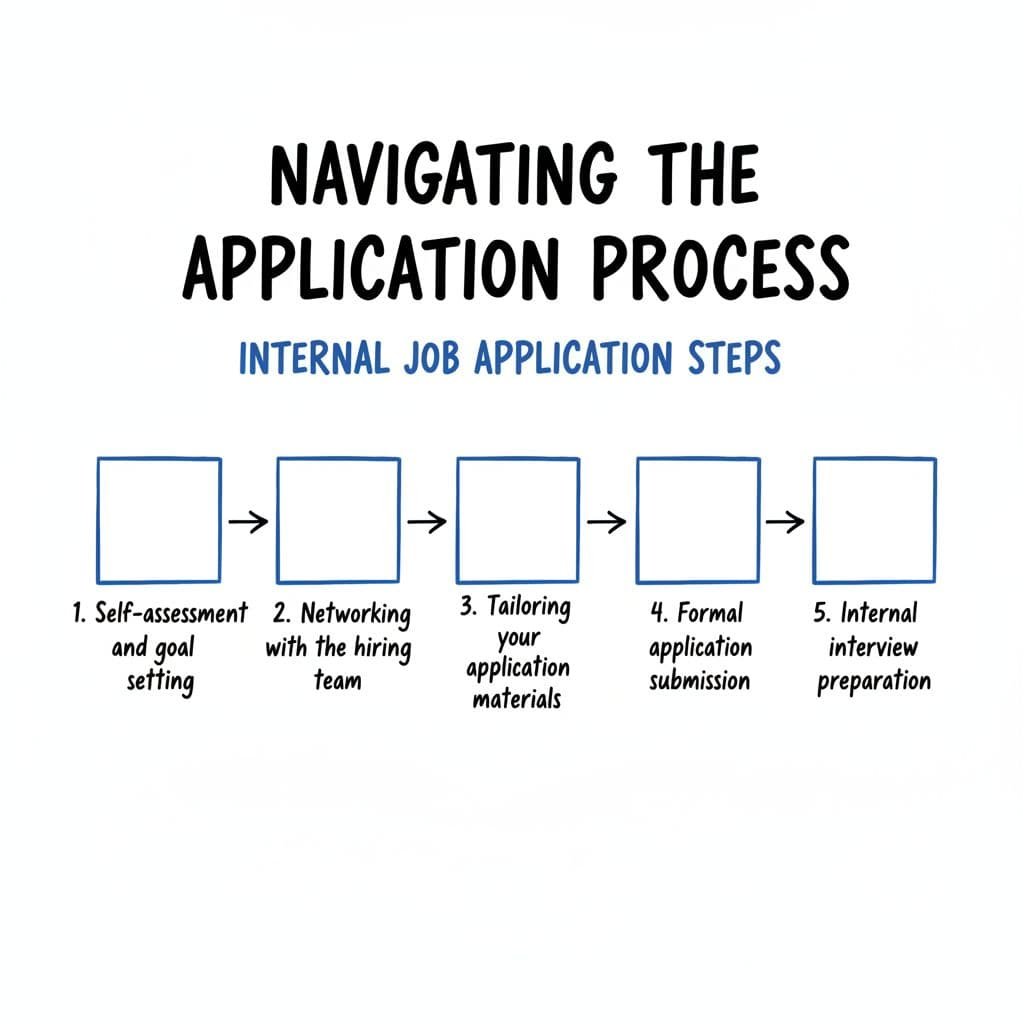
If you are organizing your professional accomplishments, CareerScribeAI’s Interview Prep Tools can help you turn scattered wins into concise STAR stories. This preparation is vital because internal interviews often focus on specific, real-world situations rather than abstract strengths.
Write materials that prove readiness, not loyalty
Loyalty is nice. Evidence wins.
Your resume should not read like a job description for your current role. It should show business outcomes. Use numbers where you can, such as time saved, revenue influenced, projects delivered, error rates reduced, or teams supported. A 2026 guide on resumes for internal promotions makes the same point: internal candidates need measurable results that stand on their own.
This is where many applicants undersell themselves. They assume the company already knows what they did. But the review panel may include human resources, a skip-level leader, or a hiring manager in another function. Spell it out.
A short cover letter can also help, even for an internal transfer. Keep it focused on three things: why this role, why now, and how this move supports your professional development and what you can contribute fast. Avoid sounding entitled. Replace “I’ve earned this” with proof that you’re already operating close to the target level.
Tools can save time if you use them well. CareerScribeAI’s AI Resume Builder is useful for matching your resume to the posting and sharpening weak bullet points. Its Cover Letter Generator can help you explain the move with a professional tone, especially if you’re changing departments.
Before you submit, check whether your formatting will survive screening as part of your overall recruitment strategy. Clean headings, readable bullets, and a simple structure still matter. These ATS resume compatibility tips are worth a quick pass before you start the final application process.
Then prepare for the internal interview with more care than you think you need. Familiarity can create lazy answers. Build examples that show judgment, influence, and readiness for the next scope of work.
Best practices that help, and mistakes that hurt
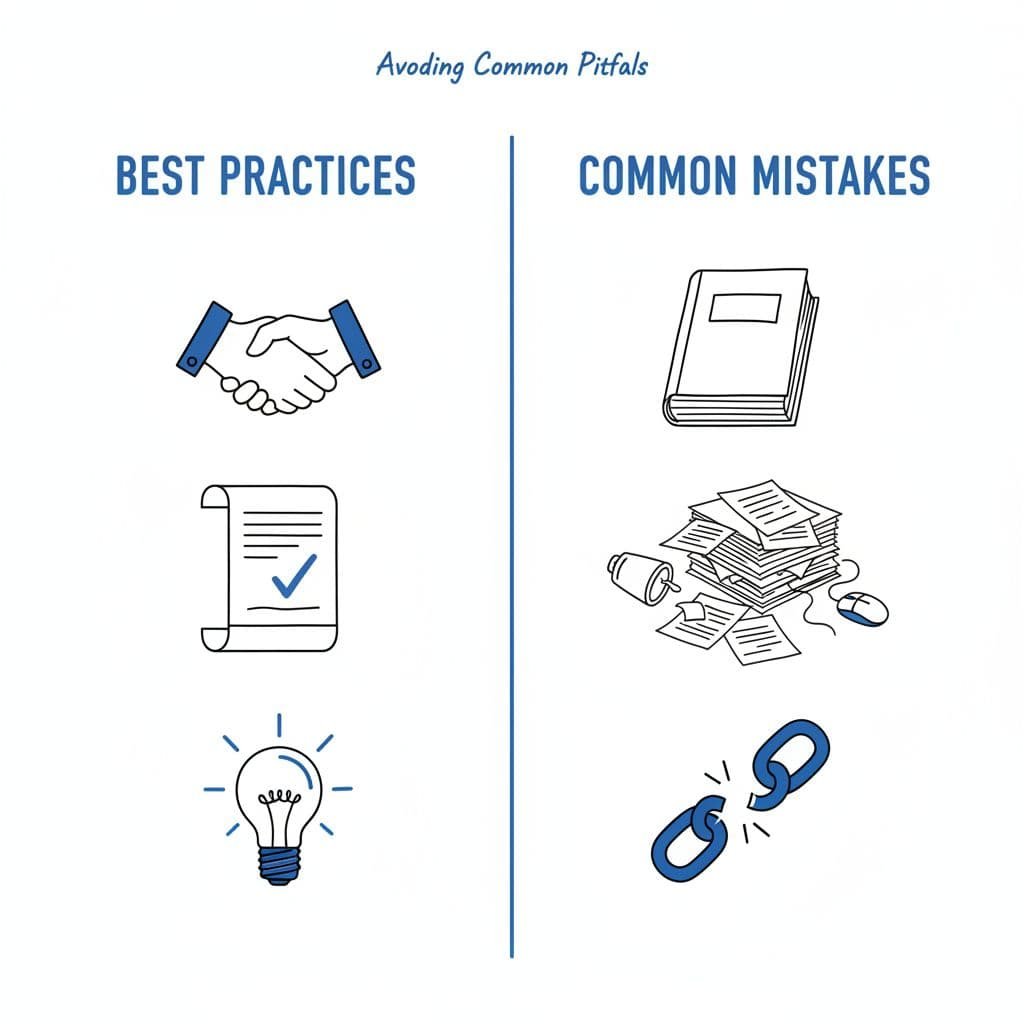
Internal candidates often lose momentum through small errors, rather than a lack of ability. This quick comparison shows where outcomes often shift when you are navigating the complexities of workplace politics.
| Strong approach | Common mistake |
|---|---|
| Tailor your resume to the posting | Reuse your current resume unchanged |
| Share measurable results | Assume the prospective manager knows your impact |
| Check company policy on disclosure | Surprise your manager or HR |
| Prepare for a formal internal interview | Treat it like an informal chat |
| Explain why the move fits company needs | Focus only on personal growth |
One more point matters in 2026. More companies are using internal mobility programs because external hiring costs more and takes longer. This environment benefits current employees, but it also raises the bar for candidates. Your application still needs to show a clean match between the role and your results.
After the interview, send a brief thank-you note. Keep it specific. Mention one point from the conversation, prepare thoughtful answers to potential interview questions, and restate how you can help the team. For a few phrasing examples, this internal job posting guide offers practical ideas without overcomplicating the message.
Frequently Asked Questions
Do I need to tell my current manager before I apply?
Check your company’s specific internal mobility policy first, as some organizations require immediate disclosure while others allow for a confidential initial phase. If the policy is ambiguous, consult with HR or the recruiter listed on the job posting to ensure you follow protocol and avoid surprising your supervisor.
How should I tailor my resume for an internal role?
Avoid simply submitting your existing resume; instead, optimize your bullet points to align with the specific requirements of the new role. Highlight measurable achievements and cross-functional wins that demonstrate your ability to handle the responsibilities of the new position, rather than just your current daily tasks.
Should I still write a cover letter for an internal transfer?
Yes, a brief cover letter is highly recommended even for internal moves as it allows you to explain your motivation, why you are applying now, and how your skills solve the team’s current business problems. It helps frame your transition as a strategic move rather than just a personal desire for a change.
How do I prepare for an internal interview?
Prepare with the same rigor you would for an external role, focusing on your ability to offer fresh perspectives and solve specific challenges the hiring team faces. Avoid the trap of casual conversation; instead, prepare structured stories and examples that highlight your professional growth and readiness for a higher level of responsibility.
Final thoughts
An internal move can accelerate your career growth faster than an outside search, but only if you treat the process with the same level of care. Your strongest advantage is not just your existing familiarity with the company. It is the proof that you have already created significant value within the business.
Before you finalize your submission, double check the specific eligibility criteria and tenure requirements for the role to ensure you are fully qualified. When your application makes a clear business case, you are no longer asking for a chance; you are demonstrating why you are the right next choice. Keep in mind that detailed conversations regarding salary and benefits typically follow once you have successfully proven your value. By writing for people beyond your current team, showing measurable results, and respecting the formal process, you position yourself as the top candidate for the internal position.