


Writing a cover letter no experience can feel awkward. You want to sound capable, but your professional history may still be thin.
The good news is that hiring managers for entry-level roles are not looking for a ten-year track record. Instead, they examine your resume for clear evidence that you can learn quickly, communicate effectively, and connect your unique background to the job. By focusing on your potential rather than a traditional work history, you can provide the proof managers need to see, making the page much easier to fill.
Key Takeaways
- Focus on your potential: Hiring managers look for proof of your ability to learn and communicate, not a lengthy work history.
- Use evidence-based storytelling: Highlight skills gained through school, volunteer projects, internships, or personal initiatives to show your real-world capability.
- Keep it concise: Aim for 150 to 300 words to respect the reader’s time and ensure your letter remains easy to scan.
- Align with the job description: Research the company and mirror specific keywords and soft skills from the job posting to show you are a strong, tailored fit.
- Maintain professionalism: Use a simple, ATS-friendly format and avoid apologizing for your lack of experience; instead, lead with your most relevant strengths.
What hiring managers expect from a no-experience cover letter in 2026
In 2026, most hiring managers skim first and read closely later. Your letter needs to be short, direct, and easy to scan. For many entry-level jobs, a length of 150 to 300 words is typically sufficient, depending on the specific requirements listed in the job posting.
That shorter format helps you, because it removes the pressure to sound experienced. Your goal is not to explain what you lack. Instead, your goal is to highlight relevant skills gained through school, volunteer work, projects, certifications, clubs, or part-time responsibilities.
Many strong examples follow the same pattern. As shown in Monster’s no-experience examples, the best letters lead with fit, support it with one or two concrete examples, and close with a clear reason for applying. Maintaining a tone that balances genuine passion with a professional outlook is key to standing out.
A cover letter is also more useful than many first-time applicants think. If the job posting says it is optional, read this guide on when to include an optional cover letter before you skip it. When your resume is short, the letter gives you the space to explain why your background still fits the role.
Don’t start by saying you have no experience. Start with the strongest proof you do have.
Keep your formatting simple, too. Recruiters still prefer clean files that pass ATS scans and look polished on a phone screen.
A simple structure you can follow from start to finish
A strong cover letter with no experience has four jobs: introduce your fit to the hiring manager, show proof, demonstrate interest, and close with confidence.
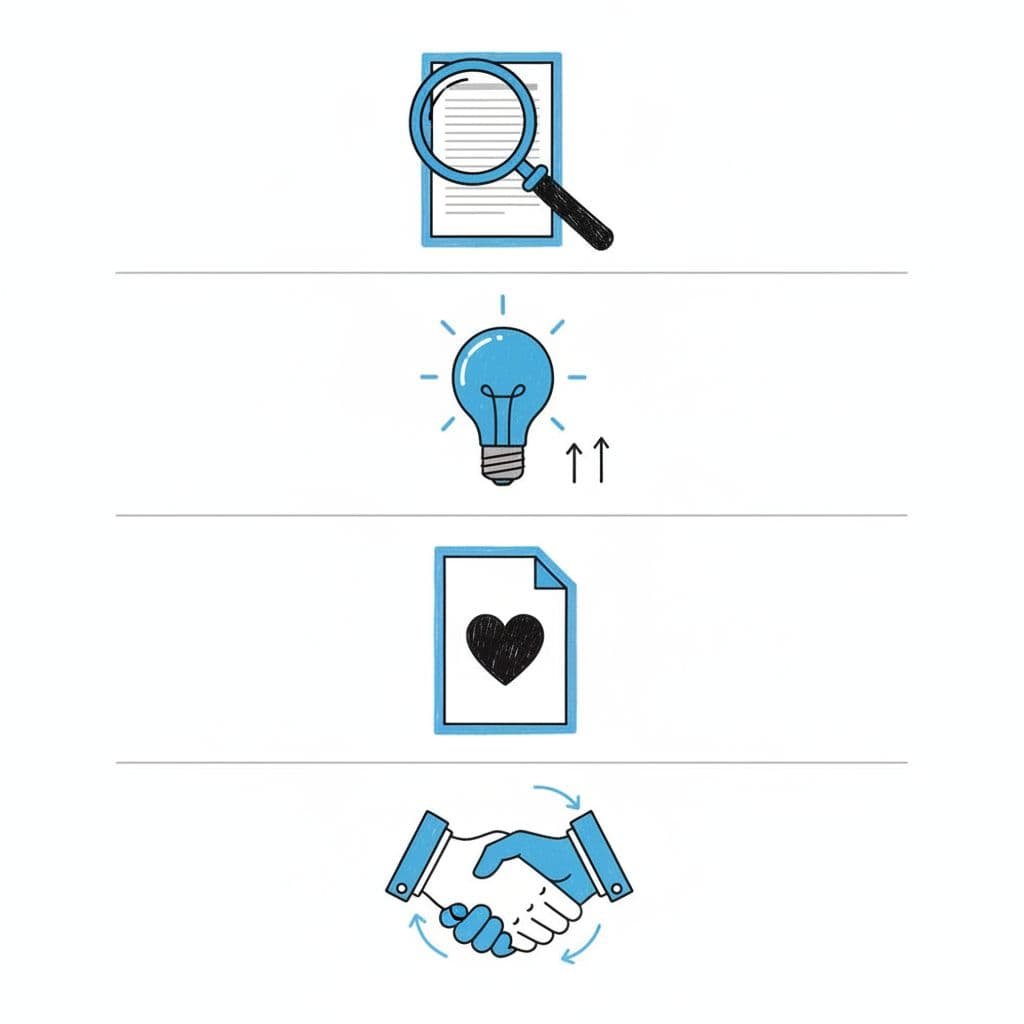
First, open with the role and your strongest match. That match could be a class project, volunteer result, certification, or campus leadership example. If your first sentence feels flat, these examples of how to start a cover letter without experience can help.
Next, pull two requirements from the job description and mirror them naturally. If the role asks for specific soft skills and transferable skills, mention a time you handled questions, resolved an issue, or supported a team goal. Keep each example tight. One sentence of proof often beats a long paragraph of claims.
Then, show why this company makes sense for you. Take the time to research the company to find something real, such as its mission, product, training model, or recent work. Generic praise sounds copied, but a specific sentence about their initiatives feels human.
Finally, close with confidence. State your interest, restate your relevant skills, and invite the next step by including your contact information. This guide on how to write a strong cover letter closing is useful if your ending sounds vague.
If matching your background to a posting feels hard, CareerScribeAI can help without turning the letter into boilerplate. Its AI Resume Builder can pull role-specific language from a job ad to highlight your qualifications, the Cover Letter Generator can shape rough notes into a focused draft, and the Interview Prep Tools can turn those same examples into answers you can use during an interview.
What to include when you don’t have formal work experience
Formal employment is only one kind of evidence. Hiring teams also care about effort, judgment, and follow-through. When writing a cover letter no experience, your goal is to highlight transferable strengths that show you are ready for the role.
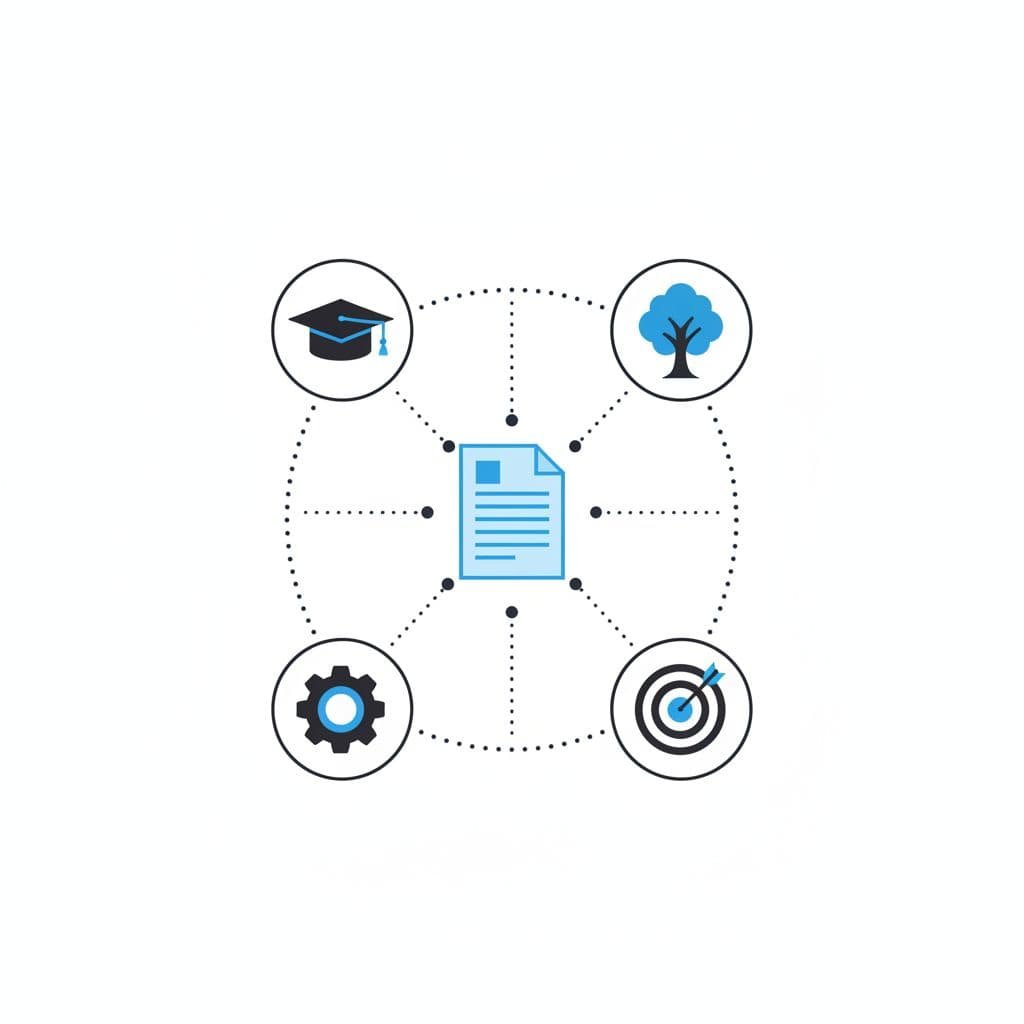
These sources usually work well to replace traditional work history:
| Source | What it can prove | Example angle |
|---|---|---|
| Academic achievements | Research, analysis, or technical mastery | You excelled in a challenging course |
| Volunteer experience | Reliability, service, or organization | You supported causes, logistics, or events |
| Extracurricular activities | Leadership, planning, or collaboration | You led a student club or sports team |
| Internship | Professional exposure and industry knowledge | You gained hands-on, role-specific experience |
| Personal projects | Initiative, ownership, and technical skill | You built, designed, or tested a solution |
The key is simple: name the task, name the skill, and name the result. Always refer back to the job description to ensure your educational background aligns with company needs. Specific details make a beginner sound prepared and professional.
Keep the file itself plain and ATS-friendly. Follow a standard business letter format, using a single-column layout, standard font, and a clear file name. Before sending, always proofread your document to ensure your communication skills shine through.
A short sample you can adapt
Use this cover letter template as a model, but remember that a tailored cover letter is far more effective than a generic one. Ensure you include your contact information at the top. If the hiring manager’s name isn’t listed, check our guide on how to address a cover letter without a name for professional alternatives to “Dear Hiring Manager.”
[Your Contact Information]
Dear Hiring Manager,
I am applying for the Marketing Assistant role at BrightNorth. My educational background in digital media and a recent internship gave me hands-on practice with content planning, audience research, and deadline-driven teamwork.
In my senior project, I helped build a social campaign for a local nonprofit that increased event sign-ups by 18 percent. That experience strengthened my writing, collaboration, and analytics skills. I am also drawn to BrightNorth’s focus on community-based brands, which matches the goals I have for my career.
I have attached my resume for your review and would welcome the chance to discuss how I can contribute to your team. Thank you for your time and consideration.
Sincerely, Your Name
This template works because it includes a formal greeting, avoids apologies, provides proof of your abilities, and ends with a clear call to action. By focusing on how your unique background solves the company’s problems, you prove that you are the right fit for the role.
Frequently Asked Questions
Should I mention that I have no experience in my cover letter?
No, you should never start by highlighting your lack of experience. Instead, focus entirely on the relevant skills, coursework, or projects that demonstrate you are prepared to handle the responsibilities of the role.
How long should a cover letter be if I am a student or recent graduate?
Keep your cover letter between 150 and 300 words. Hiring managers for entry-level roles often skim applications, so a concise, punchy narrative is much more effective than a long, drawn-out explanation of your background.
What if the job posting says the cover letter is optional?
Always include one if you have the time to write it well. An optional cover letter gives you a competitive advantage by allowing you to explain why your unique background makes you a great fit for the specific team or company culture.
Conclusion
A strong no-experience cover letter does not hide your beginner status. It reframes it. You are not trying to look seasoned; you are showing that your projects, coursework, and initiative already connect to the job. By infusing your writing with personality and genuine enthusiasm, you turn a standard application into a compelling narrative.
Keep it short, specific, and grounded in evidence. If you can point to one real example and explain why it matters, you already have enough to write a professional cover letter that earns a closer look. When your enthusiasm for the role aligns with a well-crafted resume, you leave a highly professional impression on recruiters. Your ability to demonstrate clear potential is the best way to stand out and prove that you are ready to contribute from day one.