

When you prepare for your next job search, knowing how to answer tell me about a time you failed is essential for making a lasting impression. The wrong answer can make you sound careless, but the right answer can make you sound honest, coachable, and steady under pressure.
When an interviewer asks this common behavioral interview question, they are not looking for a flawless story. Instead, they want proof that you can own a mistake, recover from it, and improve your processes. Demonstrating a growth mindset is critical in 2026, as modern teams prioritize candidates who show clear communication and a commitment to rapid learning.
Key Takeaways
- Own your mistakes: Interviewers are not looking for perfection; they want to see that you can identify a setback, accept responsibility, and communicate clearly about the outcome.
- Use the STAR method plus a resolution: Structure your story using Situation, Task, Action, and Result, but explicitly conclude with the specific process change you implemented to prevent future errors.
- Prioritize growth over excuses: Avoid blaming others or minimizing the issue. Focus on the actionable lessons learned and how they have made you a more effective and resilient professional.
- Keep it concise and relevant: Limit your response to under 90 seconds and ensure your example is professional rather than personal, focusing on incidents that show you are coachable and steady under pressure.
What interviewers want when they ask about failure
This question tests your professional judgment more than your pride. When a potential employer asks this, they want to hear that you can identify a setback, take responsibility for the outcome, and explain exactly what changed in your process afterward.
In 2026, companies prioritize candidates who demonstrate strong skills in handling failure, as modern work environments move quickly and small errors can escalate if they are not addressed transparently. A strong answer highlights your self-awareness, accountability, capacity for learning, resilience, and overall sound judgment.
Choose a relevant failure that highlights professional growth, rather than one that makes the hiring team doubt your basic fit for the role.
Keep the story work-related whenever possible. If you are early in your career, a class project, internship, volunteer role, or part-time job can serve as an effective example. What matters most is that the story feels genuine and that your lesson sounds earned, rather than polished for effect.
Additionally, skip the fake weakness. Claims like “I am a perfectionist” still land poorly because they avoid the point of the question. Hiring managers want a truthful story with a clear, actionable correction, not a humblebrag.
Use STAR, then finish with what changed
The STAR method remains the gold standard for structuring behavioral responses, but this specific question requires an extra beat: the change you implemented after the failure. While most candidates rely on the situation task action result framework to organize their thoughts, you must highlight the shift in your approach to turn a past setback into a compelling interview answer.
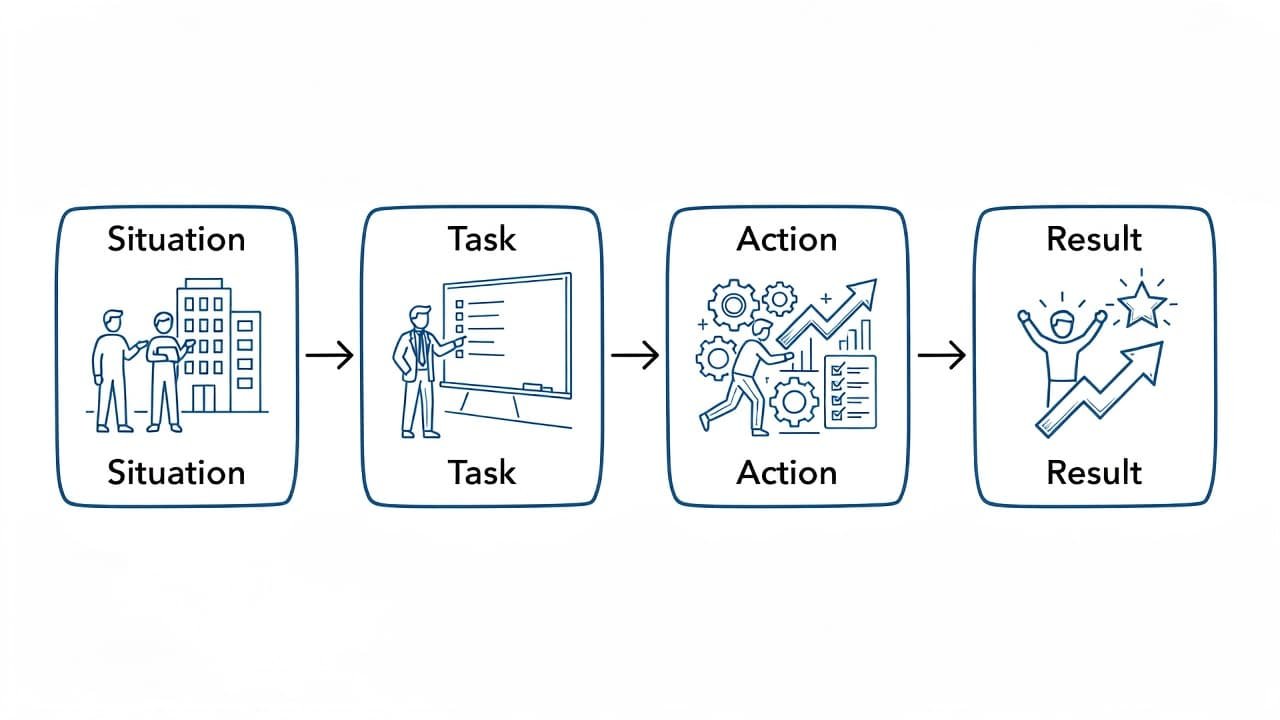
Use this simple structure to keep your story on track:
- Start with the context in one or two sentences.
- Name the mistake plainly, and do not bury it in excuses.
- Explain how you responded, including any immediate repair work.
- End with the final result, clearly articulating the lessons learned and how they have contributed to your ongoing professional growth.
For example, say, “I underestimated the timeline,” instead of, “There were a lot of moving parts.” Clear language sounds more mature and makes follow-up questions easier to handle.
Keep your answer under 90 seconds. If you talk too long, the core message gets lost. A short, direct response usually lands better, and it aligns with I Got An Offer’s guide to failure answers, which focuses on reaction and learning over perfection.
Because good interview stories often begin as strong application stories, many job seekers use an AI Resume Builder to turn vague duties into measurable examples. Then they use a Cover Letter Generator to keep the same narrative consistent across their entire application.
Sample answers for interview preparation
Before you practice out loud, shape the story to your specific professional level. Solid interview preparation involves more than just thinking of a story; it requires refining your delivery so it sounds natural rather than memorized. You can use CareerScribeAI to start a mock interview session with predicted questions and STAR-based prompts tied to your resume to ensure your narrative hits the mark.
Entry-level candidate
A good entry-level example shows ownership and learning, even if the stakes were smaller.
“I was an intern on a weekly reporting project, and I once sent a draft before checking one data field against the source file. My supervisor caught it before it reached the client, but it was still my mistake. I corrected it right away, apologized, and built a two-step review checklist for every report. I did not make the same error again that term, and I learned to slow down before I hit send.”
Mid-career professional
At the mid-career level, the best answers show judgment, recovery, and a concrete process change.
“In a past operations role, I pushed for a rollout date that was too aggressive because I wanted to keep momentum. The launch happened on time, but training was too light, and support tickets rose during the first week. I owned the miss, met with team leads, and reset the plan with extra training sessions and a phased release. Adoption improved within the month, and since then I only commit to launch dates after a readiness check with the people who will use the process.”
Manager
Managers need to show accountability without blaming the team.
“Early in one leadership role, I kept too many approvals at my level during a busy quarter. I thought I was protecting quality, but I became a bottleneck and slowed the team down. Once I saw the pattern, I set clearer decision rights, moved routine approvals to team leads, and used weekly check-ins for exceptions. Turnaround time improved, and I learned that good management includes giving strong people room to act. I also started incorporating regular feedback from colleagues to ensure my leadership style was effectively supporting the team’s growth.”
Common mistakes that weaken your answer
Most weak responses fail for the same reasons. A recent Reddit discussion on failure answers shows how often candidates either dodge the mistake or choose a story that feels too damaging.
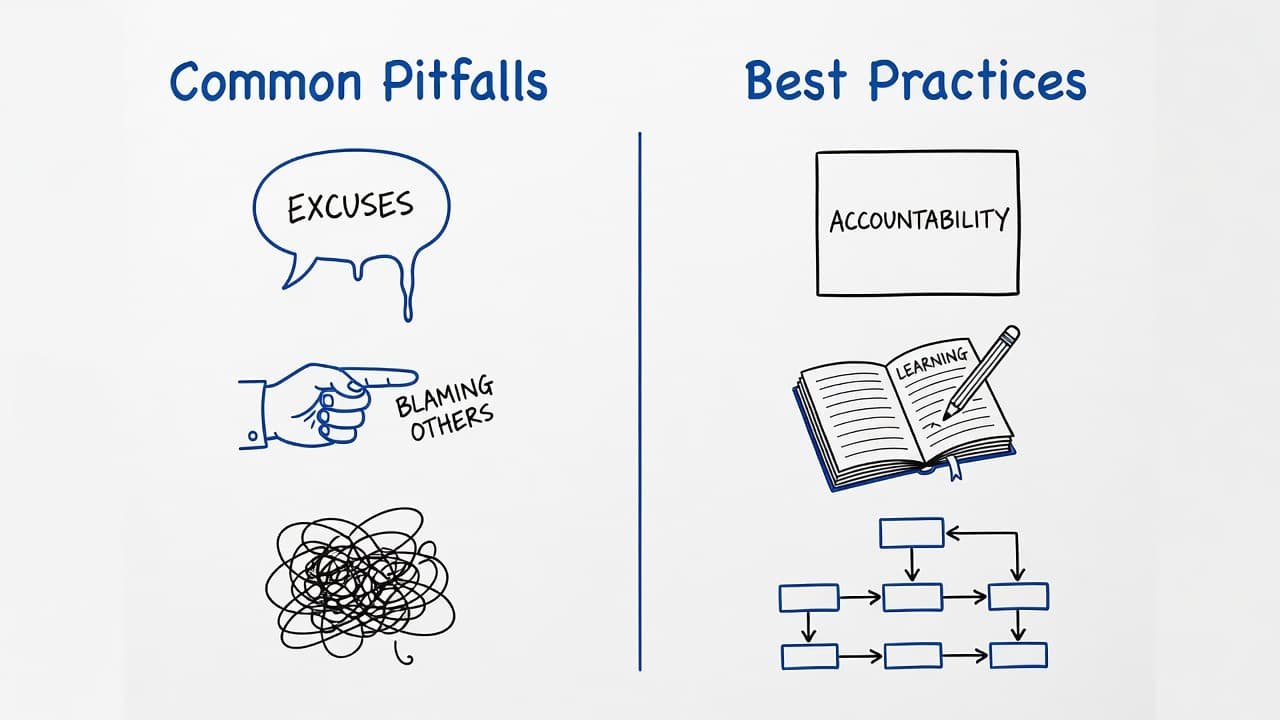
Avoid these traps:
- Don’t pick a failure that suggests dishonesty, poor ethics, or repeated problems with a core duty.
- Don’t play the blame game by spending your answer pointing fingers at a manager, coworker, or confusing instructions.
- Don’t choose a story with no resolution. Employers want to see how you used feedback from colleagues to pivot, as they value recovery over regret.
- Don’t sound rehearsed. Aim for an authentic response that keeps the structure tight while letting your true personality come through.
- Don’t forget the lesson. In 2026, interviewers pay close attention to your learning process and how you apply those insights to improve your overall workplace skills after setbacks.
If the interviewer hears ownership, problem-solving, and a better process, the answer usually works.
Frequently Asked Questions
Is it ever okay to share a ‘fake’ failure like saying I work too hard?
No, you should always avoid ‘humblebrags’ or fake weaknesses. Hiring managers view these as a lack of self-awareness and honesty, which can harm your credibility; instead, share a real, meaningful mistake that you have genuinely overcome.
How do I choose the right story if I don’t think I’ve ever made a major mistake?
Think about small errors in judgment, such as missing a minor deadline, miscommunicating a project detail, or underestimating the time required for a task. The magnitude of the failure matters less than how you addressed the issue and the concrete steps you took to improve your process afterward.
How much detail should I provide when describing the mistake?
Be direct and plain when naming your mistake, but avoid spending too much time on the error itself. Spend the majority of your time explaining your immediate repair efforts and the systemic changes you implemented to ensure that the failure never happens again.
Conclusion
A strong answer to tell me about a time you failed does not prove that you have never made mistakes. Instead, it proves that you can face an error honestly, fix it, and come back even stronger.
Pick a real story, keep it brief, and emphasize the positive outcomes that followed. When your answer highlights your self-awareness and the valuable lessons learned from the experience, failure stops looking like a professional flaw. It becomes clear evidence that you have the character and resilience to handle the challenges of the job.