


Getting fired can feel like a major setback in your employment history. In most interviews, though, it is not the event that hurts you the most. It is the way you talk about it.
If you need to explain being fired in an interview, the goal is simple: tell the truth, show good judgment, and move the conversation forward. A clean answer can turn an awkward moment into proof that you have grown and are ready for a new challenge.
Key Takeaways
- Be honest and direct: Avoid long excuses or elaborate spin. State the facts clearly and concisely to show maturity and self-awareness.
- Own your part: Take responsibility for your role in the termination, even if circumstances were difficult, without blaming your former manager or company.
- Focus on growth: Use a four-part framework to explain what happened, the lessons you learned, the steps you have taken to improve, and how those changes prepare you for the new role.
- Keep it brief: Treat the explanation as a minor component of the interview rather than a confession. Once you have addressed the topic, pivot back to your qualifications and future goals.
What hiring managers want to hear now
In 2026, most interviewers have heard every version of this story. Long excuses, vague wording, and polished spin all sound familiar. What stands out is a short answer that feels calm and real.
Your prospective employer is usually listening for four things. First, they want honest and direct communication. Second, they want to know whether you understand what happened. Third, they want signs that the problem is less likely to repeat. Finally, they want to hear why you are still a good fit for this job.
It also helps to use the right language. Job termination, being laid off, or being fired do not mean the same thing. If you were part of a reduction in force, downsizing, or company restructuring, say that plainly. If you were let go for performance or conduct, do not relabel it as a layoff. This guide to laid off, terminated, and fired language is useful if you are unsure how to describe the separation accurately.
A strong answer is brief because the interview is not a courtroom. You do not need to prove that every detail was fair. You need to show that you can talk about a hard moment with maturity.
This quick comparison makes the difference clear:
| Strong response | Weak response |
|---|---|
| States the reason in one sentence | Tells a long, emotional story |
| Owns a clear part of the outcome | Blames the manager or company |
| Explains what changed afterward | Promises vaguely that it won’t happen again |
| Connects back to the target role | Stays stuck in the past |
The pattern is simple. Keep the facts short, take responsibility where it is fair, and turn toward the future. Maintaining a professional demeanor is the most important trait to display when explaining your situation to a hiring manager.
Build a short answer before the interview
You should never improvise this answer. Pressure makes people ramble, and rambling sounds defensive. A better plan is to prepare one version and practice it until it feels natural. As you prepare for your upcoming interview questions, focus on crafting a response that is concise and professional.
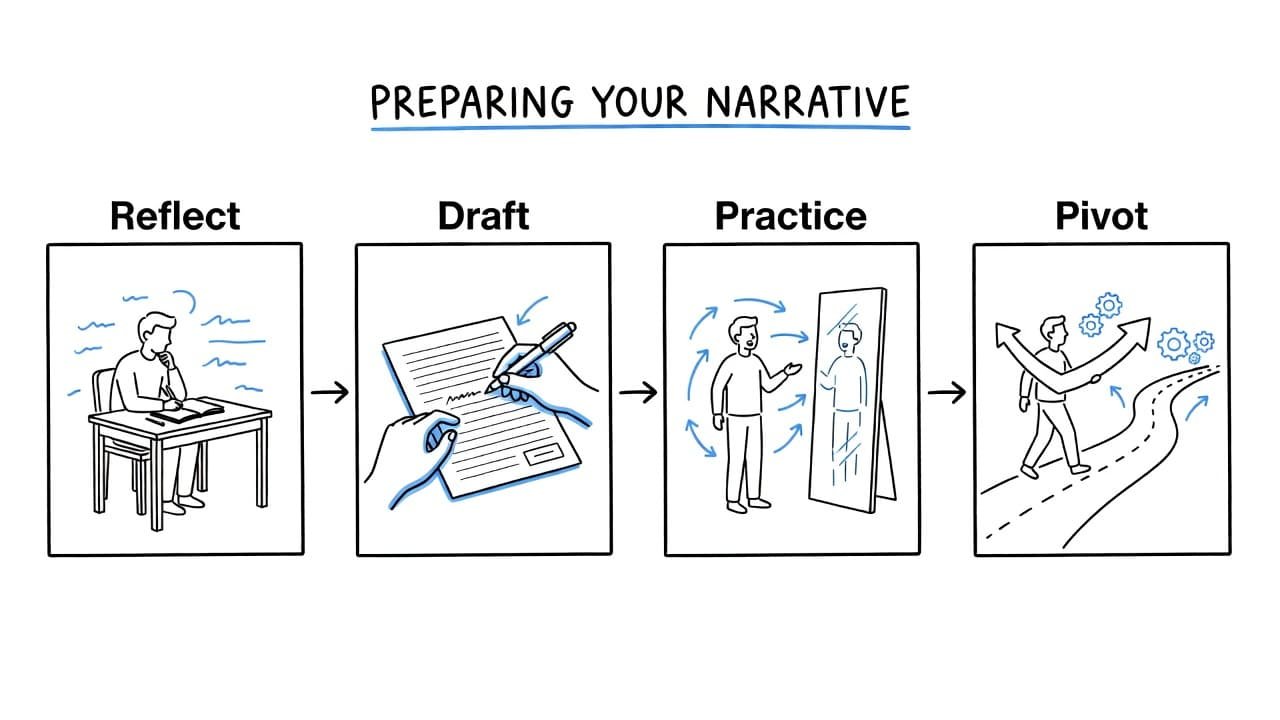
A useful framework has four parts:
- State what happened in one sentence.
- Share the lessons learned regarding your personal growth.
- Give brief proof that you have improved.
- Pivot to your future career goals.
That framework works because it answers the question without turning your interview into a confession. It also matches the advice in this brief guidance on explaining a firing, which stresses honesty and self-awareness over over-explaining.
Here is a solid example:
“I was let go from my previous employer after I missed performance targets. I took that seriously, asked for direct feedback during my performance reviews, and changed how I track priorities and communicate progress. In my work since then, I have used a tighter review system and hit deadlines consistently. That is one reason this role appeals to me, because the expectations are clear and my strengths fit the work.”
Notice what this answer does. It admits the issue. It avoids blame. It shows change. Then it returns to the employer’s needs.
Your wording should match your situation. You must accept responsibility for the outcome, regardless of the circumstances. If you are navigating a for-cause termination, address the facts directly without shifting blame. If the problem involved a skills gap, talk about how you closed it. If it involved communication, explain the habit you changed. If the firing followed a poor fit, be careful. A bad fit is not a free pass unless you can explain what that means in plain terms.
This is also where CareerScribeAI can help. Its Interview Prep Tools can help you rehearse common interview questions about being fired, tighten your wording, and practice follow-ups. Meanwhile, the AI Resume Builder can highlight recent wins, and the Cover Letter Generator can frame your career move with a forward-looking tone.
What to avoid, and how to handle follow-up questions
Most bad answers fail because they sound unresolved, or because the candidate tries too hard to put a forced positive spin on the situation. If your explanation sounds too rehearsed or artificial, the interviewer will start hearing performative storytelling instead of professional judgment.
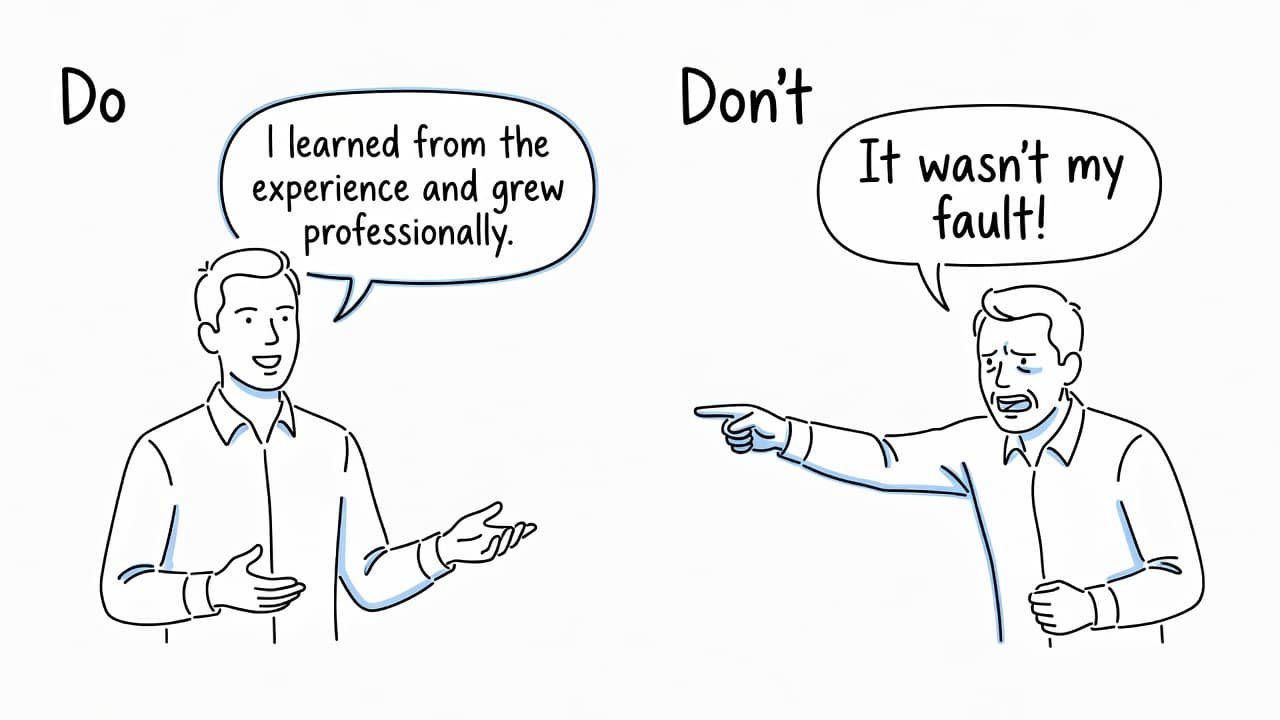
Avoid these common mistakes:
- Giving a five-minute backstory.
- Saying your boss had it out for you.
- Hiding the truth behind vague phrases.
- Sounding bitter, embarrassed, or angry.
- Forgetting to explain what has changed.
Tone matters as much as content. A steady voice suggests self-control, while a defensive tone suggests the problem may still be active. Navigating these conversations is a key part of the modern job search process, so staying honest and direct is your best strategy.
You should also expect follow-up interview questions. A prospective employer often asks for more clarity because they are performing due diligence. Remember that they may conduct a reference check, contact human resources at your previous employer, or reach out to a former supervisor.
If they ask why you were fired, give the clean version again. If they ask about your eligibility, state clearly if you are eligible for rehire. If they ask about cultural fit, frame it as a misalignment of work styles. If they ask what you would do differently now, talk about one specific, changed habit. If they ask why you should be trusted, point to recent evidence like stronger results, a training course, or better feedback.
Here are two examples:
For performance: I was not meeting the expected pace in that role, which is different from being laid off due to company restructuring. Since then, I have built a better planning system and used it successfully in my last project.
For conflict: My communication with my manager broke down, and I own my part in that. I now document priorities early and confirm expectations in writing. If you were laid off for other reasons, simply state the facts clearly.
Practice matters because pressure changes your delivery. If your next step includes several interviewers, CareerScribeAI’s panel interview preparation guide can help you keep answers concise when multiple people press for details.
One more point matters here. Do not let this answer dominate the interview. Once you have addressed the topic, move on. Your goal is not to erase the past, but to show that the past is not the best predictor of your success in your next job.
Frequently Asked Questions
Should I mention if I was fired for a personality conflict?
It is best to frame a personality conflict as a “misalignment of work styles” rather than focusing on personal clashes. Focus on the specific communication habits you have changed or improved to ensure better collaboration in future professional environments.
How much detail should I provide if asked follow-up questions?
Provide only enough information to clarify the facts and demonstrate your growth. If the interviewer pushes for more, maintain your professional demeanor and repeat the core points of your prepared answer without adding unnecessary backstory.
Is it ever better to lie about being fired?
No, you should never lie during an interview. Employers often conduct reference checks or contact former human resources departments, and being caught in a dishonesty will immediately disqualify you from the hiring process.
How do I pivot back to the job description after explaining the firing?
After providing your brief explanation and lessons learned, transition by linking your recent professional development directly to the company’s current needs. For example, mention how your new organizational system makes you a perfect fit for the specific tasks listed in the job description.
Conclusion
Being fired does not end your candidacy. A weak explanation can, but a clear one often does the opposite. By presenting your job termination with professional honesty, you demonstrate maturity and resilience to prospective hiring managers.
Ultimately, the best answer is honest, short, and forward-looking. Focus on the lessons learned from your experience, explain how you have grown, and return the conversation to the value you can bring to the role. How you handle your departure from a previous employer reflects your character and defines your readiness for your next career opportunity.