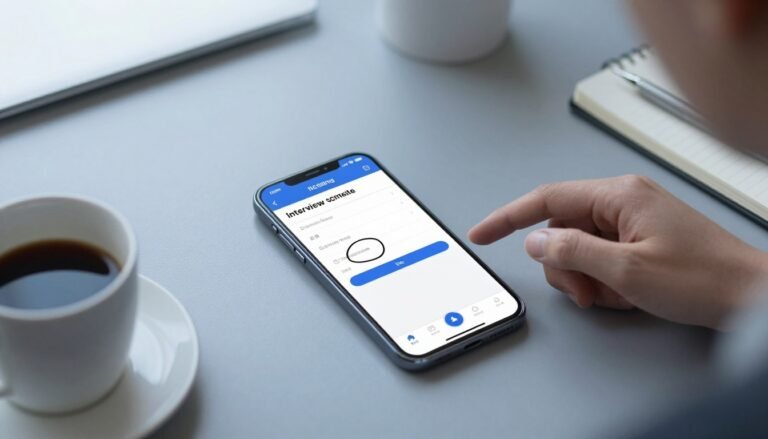


Enter the name you want recruiters and coworkers to use in the preferred-name field. That can be your usual given name, a shortened version, a nickname, or a chosen name.
You can generally use that name on your resume, too, because a resume isn’t a legal document. The important distinction is everyday use versus legal identification, so start by reading what each application field requests.
Key Takeaways
- Use the name you use professionally for introductions and generally on your resume.
- Enter your current legal name in fields that explicitly request it, including identity-verification and payroll paperwork.
- Keep your professional name consistent across application materials, and explain record mismatches privately when needed.
Step 1: Answer the Preferred-Name Field
A preferred name tells the employer how to address you. It doesn’t necessarily replace the name needed for official records.
When the application has separate name fields
Enter your current legal name in the legal-name fields. Then enter the name you go by in the preferred-name field.
If the form asks for a preferred first name, provide only that name. If you use your legal given name in everyday life, you can repeat it or leave an optional preferred-name field blank.
You don’t need a nickname simply because the application offers this option. Likewise, you don’t need a completed name change to express how you’d like people to address you.
When the application has only one name field
Follow explicit instructions first. A field labeled “legal name” needs that official name, even if your uploaded resume uses another name.
If the field simply says “name,” read any nearby instructions or certification language. A general contact field can accommodate your professional name, while an application tied directly to identity verification may require that official name.
When the distinction remains unclear, ask the recruiting contact: “Should this field match my identification, or should I enter the name I use professionally?”
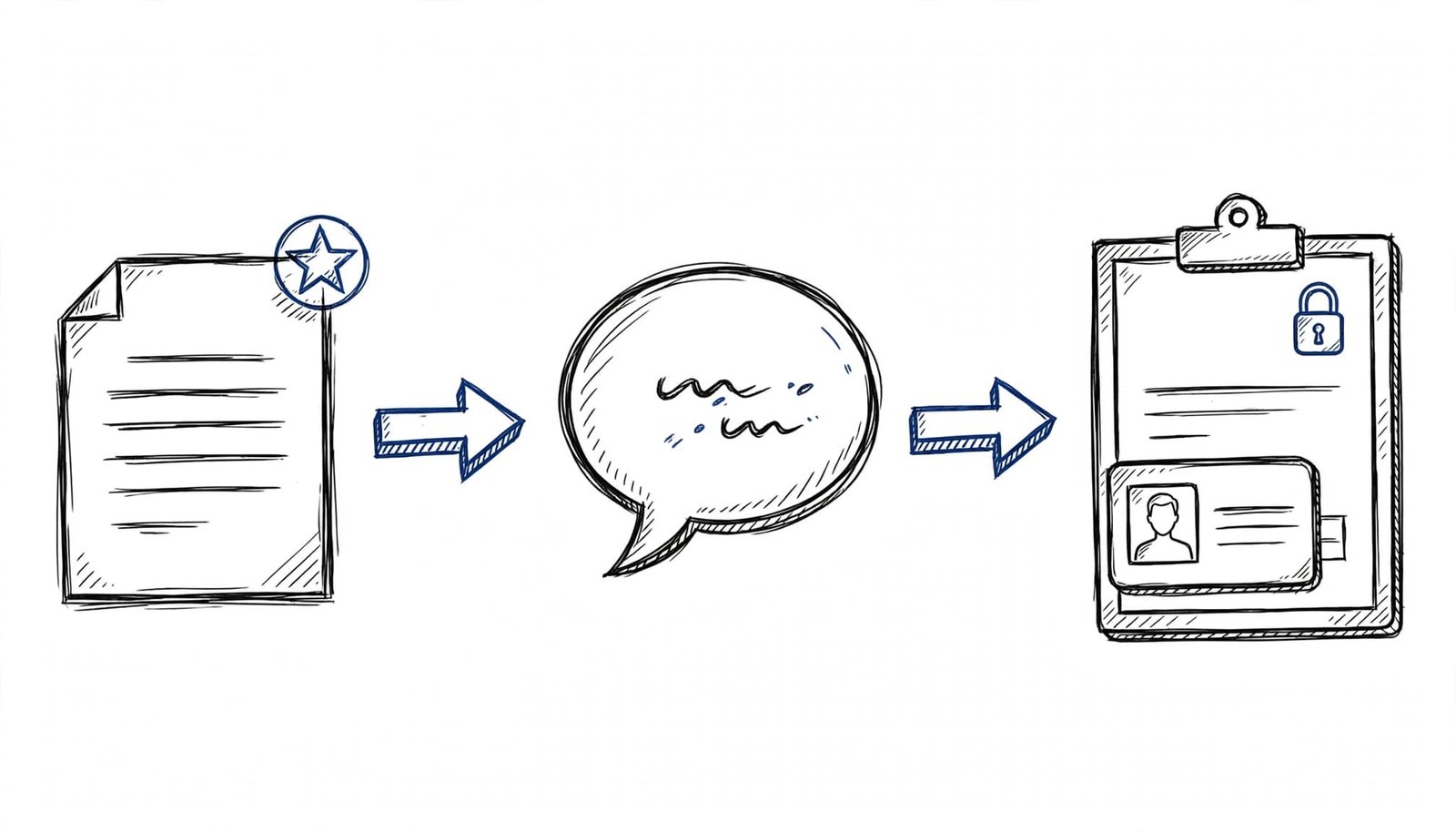
Step 2: Choose a Clear Name for Your Resume
A resume presents your qualifications and isn’t a legal document, so using a legal name on resume materials is optional unless an application field explicitly requests it.
Use one clear first name when possible
Using one clear name tells recruiters exactly what to call you. Indeed’s nickname guidance gives John Smith as an option for someone legally named Jonathan Smith Jr.
You can usually omit a suffix such as Jr. from your resume. However, include it when an official form requests your full legal name.
Choose a name you’re comfortable using professionally. It doesn’t need to sound formal, and an unfamiliar or culturally distinctive name isn’t unprofessional.
Show both names when the connection helps
Quotes, initials, or parentheses can connect names without a lengthy explanation.
These formats illustrate different ways to present a preferred name:
| Name being connected | Resume format |
|---|---|
| Jonathan Smith Jr. and John | John Smith |
| Elizabeth Tompkins and Liz | Elizabeth ‘Liz’ Tompkins |
| Margaux Balfe and Marge | Margaux Balfe (Marge) |
| Keith Smith and Lee | Keith ‘Lee’ Smith |
| Keith Smith and Lee, using an initial | K. Lee Smith |
Indeed suggests quoted nicknames between the first and last name, along with a parenthetical option for a pronunciation-related nickname. UConn’s career guidance includes the two Lee formats.
These are options, not requirements. If you want everyone to call you Lee, Lee Smith is often the clearest resume heading.
Step 3: Match the Name to the Document
You don’t need the same name format on every document. Instead, distinguish public-facing career materials from records used to establish identity.
Use this framework during the hiring process:
| Document or field | Name to use |
|---|---|
| Resume or cover letter | Your preferred professional name |
| Application’s preferred-name field | The name you want people to use |
| Application’s legal-name field | Your current official name |
| Offer letter | Make any name discrepancy clear to HR before signing |
| Background-check authorization | Legal name and previous names requested by the form |
| U.S. Social Security, payroll, and insurance forms | Legal name matching the relevant official records |
| Academic transcript request | Name associated with the student record, including a previous legal name if applicable |
The distinction matters most when an employer begins checking records. Those requirements apply to official onboarding paperwork, although an employee directory or badge may allow a preferred name.
Provide the connection before a background check begins. That may happen early in recruitment or after a conditional offer, depending on the employer. You don’t need to put that official name at the top of every resume to accomplish this.
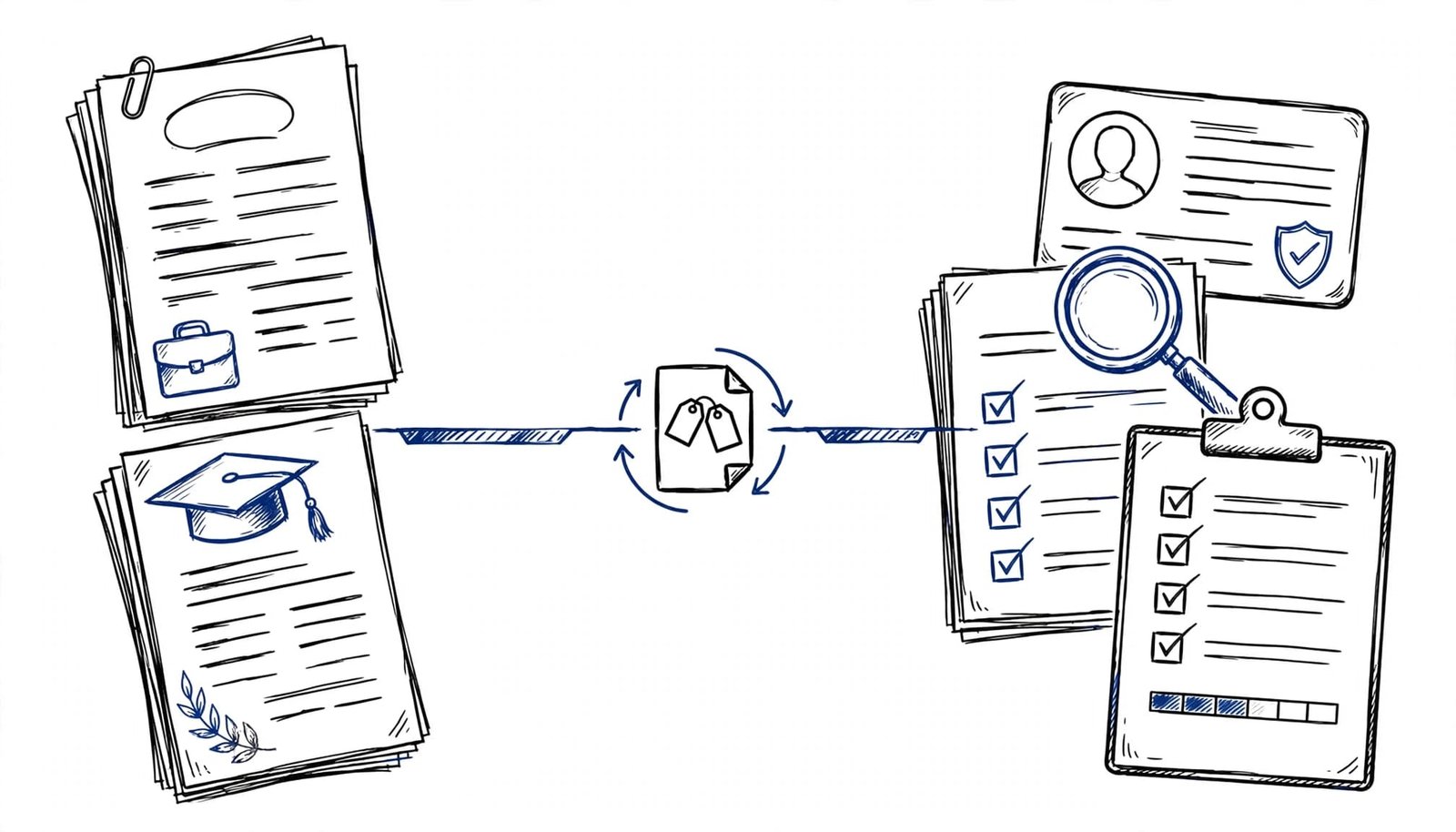
Step 4: Explain Pending Changes and Older Records
A name mismatch needs a practical explanation, not a personal history. Share enough information to connect the records accurately.
While your legal name change is pending
Continue using your current legal name wherever official paperwork requires it. Meanwhile, you can generally use your chosen name on your resume and in interviews.
For a pending change, a brief message could read:
“I use Lee Smith professionally. My current name on official records is Keith Smith, so my identification and background-check records will use that name until my name change is complete.”
Transgender and nonbinary applicants don’t need to explain their identity to justify a preferred name. You can also ask HR to limit access to your legal name to staff who need it for administrative work.
In the United States, the EEOC’s rules against employment discrimination address hiring discrimination based on sex, including transgender status.
When degrees or publications use another name
Academic applications can require extra coordination because transcripts, publications, and references may use different names.
As Academia Stack Exchange contributors emphasize, a CV isn’t a legal document, but its claims must remain truthful. A preferred name doesn’t permit false credentials or concealed identity information when verification requires it.
Where a connection helps, use wording such as “Keith Smith, professionally known as Lee Smith.” An “AKA” line is another option, although “professionally known as” often reads more naturally.
You can provide that connection privately rather than publishing a previous name on every CV.
Step 5: Keep Your Application Materials Consistent
Career coach Thea Kelley recommends using the name you use professionally across your resume, LinkedIn profile, and email address. This consistency helps recruiters connect your materials and gives your personal brand a recognizable thread.
Avoid placing two unexplained first names together, such as “Keith Lee Smith,” when Lee isn’t a middle name. Otherwise, the employer must guess which name to use.
At CareerScribeAI.com, our AI Resume Builder can help you prepare your resume under your professional name. Carry that same name into drafts from our Cover Letter Generator.
Also, give the file a recognizable name. KatJacksonResume.docx includes both the applicant’s name and the document type. The file extension can differ, but the name should match the resume heading.
References may know you by another name, so tell them which name appears on your application. You don’t need to list references or write “References available upon request” on the resume.
Our Interview Prep Tools can help you practice a brief clarification before speaking with a recruiter.
Step 6: Handle Bias Without Feeling Obliged to Rename Yourself
Some applicants use initials or an Americanized nickname because they worry about discrimination. That’s a personal decision, not a professional obligation.
For example, Janice Patricia Stevens could use J.P. Stevens on a resume. Initials can make gender or ethnicity less apparent, but they don’t guarantee an unbiased hiring process.
Thea Kelley discusses studies suggesting that a name such as Mike may receive more interview interest than Mohammed. That concern helps explain why some applicants choose an Americanized nickname. It doesn’t mean you should change a name you value.
In the United States, national origin discrimination protections apply to job applicants as well as employees. Choosing a nickname doesn’t remove employers’ responsibility to follow employment law.
Pronunciation concerns are separate. If you worry a recruiter may not know how to pronounce your name, offer a brief pronunciation cue during the interview. You don’t have to replace your name simply because a recruiter hasn’t encountered it before.
Frequently Asked Questions
Will a preferred name cause rejection or a background-check problem?
A different name doesn’t automatically invalidate an application or qualification. Problems can arise when records can’t be connected or an applicant ignores explicit legal-name instructions.
One Reddit commenter reported a rescinded offer after HR objected to a preferred first name on an application. That’s an unverified personal account, not evidence of a general hiring rule.
For background checks, supply the legal and previous names the form requests. If your degree uses another name, identify the connection before the employer requests verification.
What if my legal name changes after I apply?
Tell the recruiting or HR contact that your official name has changed. Identify the name already attached to your application so they can connect the records.
Use the updated one on subsequent official paperwork, with the documentation the process requires. If your resume already uses your chosen name, its heading may not need to change at all.
You can keep the explanation administrative: your application belongs to the same person, and the legal record has changed.
Make Your Preferred Name Clear
Your preferred name tells an employer how to address you. Your legal name connects you to official records when the hiring process requires it.
Use a clear name consistently on your resume, follow legal-name instructions, and explain mismatches before verification begins. That clear connection lets you maintain your identity without leaving recruiters or HR to guess.