


A concise salary history response can protect your negotiating position and keep the application moving. Decline to share past earnings and redirect to the role’s salary range. Where disclosure is permitted, you can also provide accurate figures, but don’t invent a number.
Your previous pay doesn’t establish your value in a new role. Focus on your pay expectations for this role instead.
Key Takeaways
- Keep salary history separate from salary expectations, which describe what you want to earn next.
- Use truthful responses, request the position’s pay range, and remember that legal protections depend on location and employer coverage.
Answer the Salary History Question Without Underselling Yourself
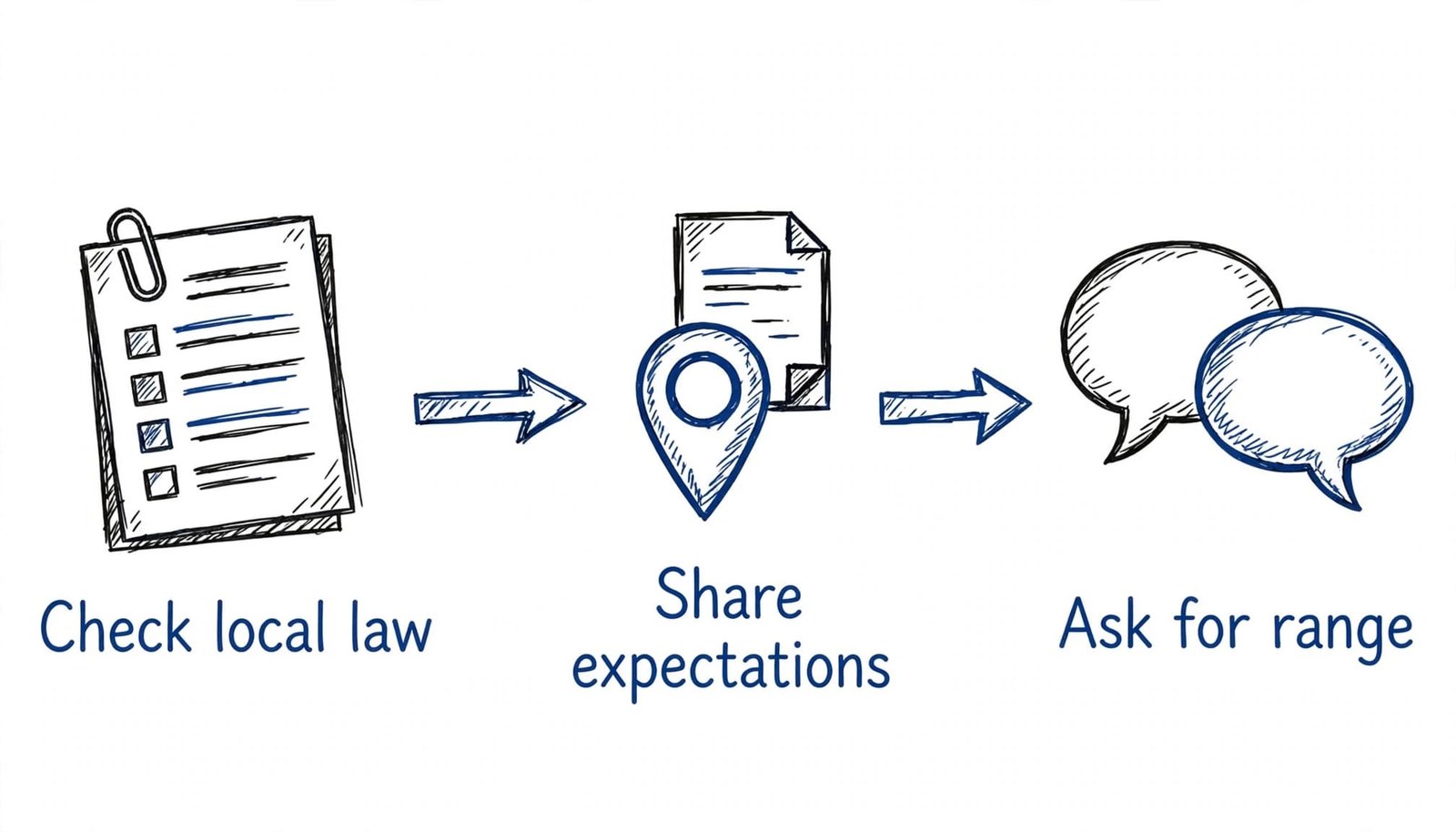
On an online application
If the field is optional, leave it blank. When a text response is required, write:
“I prefer to discuss compensation based on this position’s responsibilities and salary range.”
For a mandatory numeric field, job applicants shouldn’t enter a fabricated salary or assume zero means “prefer not to disclose.” Contact HR recruiters or the relevant employment agencies to request an alternative submission method or instructions for leaving compensation history undisclosed.
When reporting pay history, distinguish base salary from bonuses, commissions, and equity. Don’t enter your desired salary in a field asking about prior salary or other past earnings.
During an interview
Keep your response brief, then redirect:
“I’d prefer to focus on compensation for this role. What salary range have you budgeted?”
If your previous pay was low:
“My previous compensation reflected a different role. I’d like to discuss a range aligned with these responsibilities.”
When you need more information:
“I’d like to understand the position before discussing a target. I’m open to reasonable offers.”
This follows HRPA’s advice to gather information before committing. If the recruiter persists, repeat your preference calmly rather than defending your finances.
At CareerScribeAI.com, our AI Resume Builder and Cover Letter Generator help you present relevant achievements. Our Interview Prep Tools help you prepare role-specific answers.
Where Salary History Bans Apply
HR Dive’s April 28, 2026 update lists 22 statewide restrictions and 24 local bans. Coverage varies; some rules cover public employers rather than every business.
For job applicants, a salary history ban can differ by location in its coverage and restrictions.
| Jurisdiction | Effective date | Rule |
|---|---|---|
| California | January 1, 2018 | Employers cannot seek applicants’ salary history and must provide applicants a pay scale on request. |
| Massachusetts | July 1, 2018 | Employers cannot seek history before an offer that includes compensation. Previous pay cannot defend pay discrimination. |
| Philadelphia | September 1, 2020 enforcement | Covered employers cannot ask applicants about wage history. The Third Circuit upheld the inquiry ban on February 6, 2020. |
California’s starting date and inquiry restriction also appear in the Labor Department’s research summary.
Salary history bans have different exceptions: Delaware permits confirmation after a job offer with compensation is accepted. Massachusetts allows certain confirmations when salary history is voluntarily disclosed or after an offer. Maryland and New Jersey also have limited voluntary-disclosure or post-offer exceptions, with different conditions.
A salary history ban doesn’t usually prevent employers from asking about salary expectations. Also, legal permission to request history doesn’t make disclosure your strongest negotiating choice.
For Canada, HRPA describes Ontario’s Pay Transparency Act as receiving royal assent in 2018 without taking effect. That history shouldn’t be confused with Ontario’s separate job-posting transparency requirements.
ADP warns that violations can carry penalties exceeding $250,000, depending on jurisdiction.
Why Past Pay Shouldn’t Determine Your Offer
Salary history can carry inequity forward
Percentage-based increases to prior earnings can carry underpayment forward, preserving pay inequity instead of supporting pay equity. This can disadvantage women, workers of color, and people with disabilities who have experienced pay discrimination.
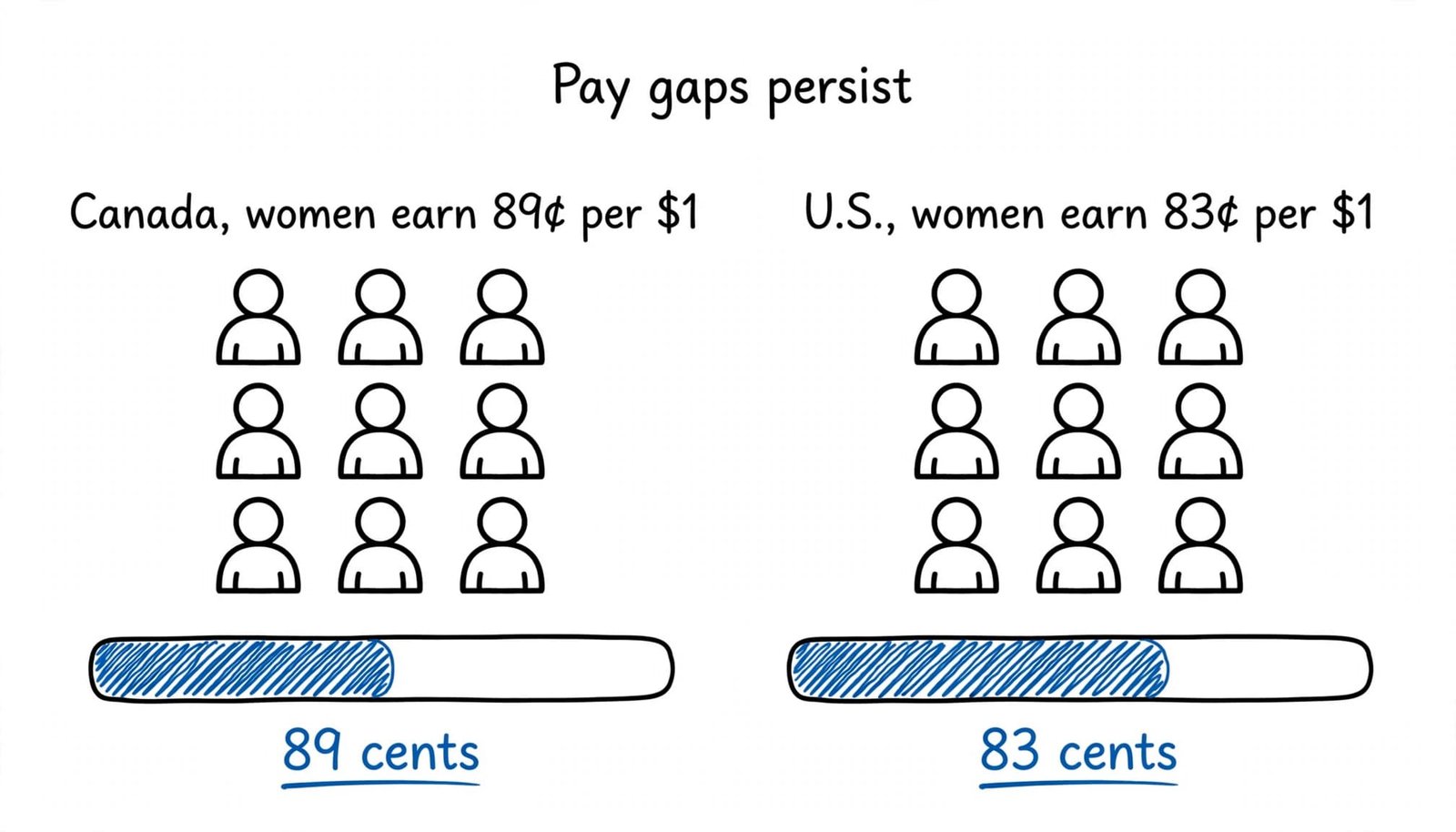
HRPA’s salary-history analysis cites Statistics Canada’s 2021 comparison, which found a gender wage gap: women earned 89 cents for every dollar men earned. ADP cites an older U.S. Census figure of 83 cents across races.
These figures describe the wage gap using different populations and measures, so they aren’t directly comparable. The Census report for 2024 reports an 80.9% female-to-male earnings ratio among full-time, year-round workers.
HRPA also reports hourly wage increases of 7.9% for job changers in states with bans, versus just under 4% overall. Separately, it cites research associating advertised pay information with 90% more applicants.
Build your expectations around the job
Research comparable positions by location, experience, responsibilities, and the skills and abilities the role requires to estimate its market value. HRPA recommends Glassdoor and Salary.com; it also highlights Hire Authority for HRPA members and students seeking HR opportunities.
Employers can set offers using market benchmarks, established pay bands, and internal comparisons with employees doing similar work. Transparent compensation standards help candidates assess fairness and whether offers support equal pay. Job candidates can negotiate within that framework using relevant achievements.
Consider benefits, equity, and flexibility alongside base pay. ADP, citing Fortune, reports that roughly 57% of surveyed employees feel underpaid. Setting offers around someone’s minimum acceptable pay can prolong inequity.
Frequently Asked Questions
What if I’ve never earned a salary?
Write: “I don’t have previous salaried employment. I’d welcome a discussion about this role’s compensation range.” Don’t invent earnings or treat unpaid work as salaried employment.
Should I share a strong salary progression?
You may choose to disclose where permitted. ADP notes that successive roles in the same field can provide context, but previous earnings shouldn’t determine the offer. Explain increased responsibility and results instead of relying on salary increases to demonstrate growth.
Keep the Conversation Focused on the Role
A strong response is truthful, brief, and centered on the work you’re being hired to do. Past earnings don’t have to become the starting point for your next offer.
Prepare one application response and one spoken version. Then support your expectations with market information and evidence of your contributions.