


Use the “Additional Information” box on a job application for relevant qualifications, context or practical details that clarify your fit and don’t appear elsewhere. If you have nothing useful to add and the field is optional, leave it blank.
A brief, relevant detail can help hiring managers resolve a question about your suitability without repeating your resume. Start by identifying what the employer needs that your application hasn’t already explained.
Key Takeaways
- Follow the field’s instructions before adding general information.
- Include evidence of job fit or useful context, such as relocation availability.
- Keep optional answers brief, truthful and specific to the role.
Choose Content That Fits the Field
An online text box, a resume section, and a supporting statement need different treatments. Follow the job description’s instructions, including any stated selection criteria or character limit. Use its keywords only when they accurately describe your experience.
Use a simple, ATS-friendly format for your resume, and answer the employer’s specific prompt in a text box.
| Application element | What belongs there |
|---|---|
| Optional text box | Missing qualifications, relocation details or brief context |
| Resume section | Certifications, languages, awards or relevant volunteer work |
| Supporting statement | Evidence addressing the stated selection criteria |
| Attachment field | Requested portfolio, transcript, recommendation or cover letter |
The label alone doesn’t determine the answer. A request for “additional information demonstrating essential criteria” deserves more detail than an optional comments box.
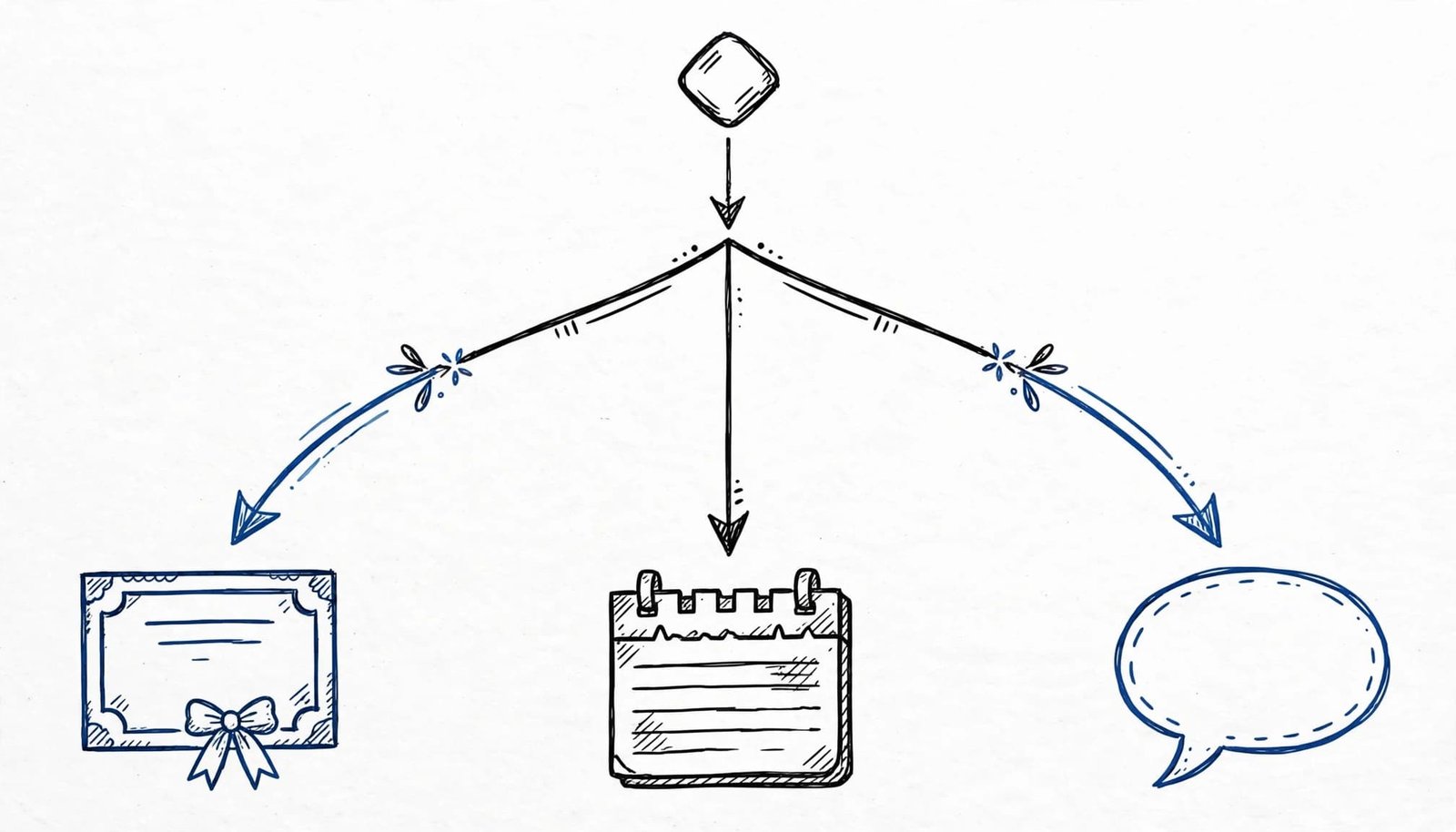
For a general optional box, one short paragraph is usually enough. Include availability or relocation plans only when they help establish whether you can meet the job’s requirements.
What to Write: Four Common Situations
Adapt these examples only when they accurately describe your circumstances. Don’t add credentials or achievements because they sound impressive.
You Have Relevant Qualifications
Connect an overlooked qualification to a requirement in the posting. For a bilingual customer support role, suitable wording could be:
“I speak English and Spanish and can assist customers in either language.”
For technology, marketing or creative roles, a relevant project or portfolio can also earn space. Briefly explain what the work demonstrates rather than adding an unexplained link.
You’re Making a Career Change
Explain the connection between your previous work and the new role. Focus on transferable skills rather than apologizing for your background. Name a transferable skill from your previous work and connect it to a requirement in the new role.
For a customer service professional applying for administrative work:
“My customer service experience includes maintaining accurate records, coordinating follow-ups and resolving scheduling issues. These responsibilities align with the administrative requirements in your posting.”
You Have an Employment Gap
Give a brief, factual explanation if career gaps need context. You don’t need to disclose diagnoses or private family details.
For a caregiving break:
“I took a career break for family caregiving and am now available to return to full-time work.”
The UK’s National Careers Service recommends explaining employment gaps honestly. Mention training or freelance work during the gap only if you completed it.
You Have Nothing Additional to Share
Leave an optional field empty when your application already covers everything relevant. Avoid repeating your enthusiasm or pasting your cover letter.
If the field requires an answer, write:
“No additional information to add.”
Follow any more specific instructions instead.
Make a Resume’s Additional Information Section Scannable
Keep this section to three to five relevant entries, or omit it. Place it after work experience and education unless a credential is central to the role.
Plan for a quick first pass, roughly eight seconds. Short bullet entries help readers find useful details quickly.

For certifications, include the full name, issuing organization, date earned, and expiration date when applicable. Relevant credentials might include CISSP, AWS Certified Solutions Architect, PMP, Certified ScrumMaster, Google Analytics, Salesforce certifications, or Lean Six Sigma.
Use standard section headers such as “Certifications,” “Languages,” or “Volunteer Work.” A single-column layout, 10-12-point Arial or Calibri, and plain bullets make formatting ATS-friendly. Keep important information out of headers and footers, and avoid graphics, icons, and photos.
Oleeo’s explanation of applicant tracking systems cites widespread adoption, including 98.4% of Fortune 500 companies in 2024. Clear structure helps recruiters and applicant tracking systems (ATS) extract your information.
Include publications or speaking engagements only when they’re relevant to the role. Quantify volunteer achievements when records support them, for example, “Raised $12,000 through three fundraising events.” One or two volunteer entries can fit here; three or more substantive roles deserve a separate “Volunteer Experience” section.
Our AI Resume Builder at CareerScribeAI.com can help organize these details. Keep only suggestions that reflect your actual experience.
Leave Out Personal Details and Unsupported Claims
Exclude age, race, religion, marital status, and political views from this optional section. Don’t include salary expectations unless the application asks for them. When requested, provide salary expectations in the format the employer specifies.
References belong in the employer’s reference process. “References available upon request” also wastes space.
Include hobbies only when they demonstrate a required skill. Organizing a sports team may support leadership experience; a generic interest in watching sports doesn’t.
Never invent dates, credentials, or metrics. Avoid criticizing former employers or giving a lengthy account of difficult circumstances.
Frequently Asked Questions
How Is Additional Information Different From Skills?
A skills section lists abilities you can use, such as SQL or bookkeeping. Additional information adds supporting evidence or context, including certifications, awards and relevant activities. Avoid duplicating entries.
What Should Supporting Information Include?
Address the person specification with evidence of relevant work and results. The University of Michigan’s guidance for application letters also emphasizes connecting your experience to the position.
Our CareerScribeAI Cover Letter Generator can help organize that connection. Our Interview Prep Tools can help you practice explaining the same evidence.
Does a High ATS Score Guarantee an Interview?
No universal cutoff guarantees interviews. An 80% match doesn’t guarantee success, and a score below 60% doesn’t establish 50/50 odds. Treat scores as editing feedback, not hiring predictions.
Give the Employer One Useful Reason to Keep Reading
The additional information box earns its space when it answers an unresolved question about your fit. Choose relevant evidence, such as transferable skills that address that question, and keep the explanation proportionate.
If your application already tells the complete story, leaving an optional box blank is a sound choice.