


Pause before giving a recruiter your Social Security number. An SSN on a job application can have a legitimate purpose, but an unsolicited recruiting message doesn’t justify sharing it.
The safest response is to establish the purpose and recipient before disclosing anything. Start by separating early recruiting from background checks and onboarding.
Key Takeaways
An early request deserves caution. Confirm the recruiter’s identity independently, ask why the number is needed, and use an authenticated submission channel when sharing is appropriate.
When Employers Have a Reason to Request Your SSN
Early recruiting requests deserve scrutiny
Employers sometimes include SSN fields on applications. However, that doesn’t make every request necessary or safe. The FTC warns that scammers request Social Security, driver’s license, and bank account numbers before interviews under the pretext of employment paperwork.
A recruiter doesn’t need your SSN to discuss your qualifications or explain a position. Requests accompanied by pressure or an immediate job offer warrant extra caution.
Background checks and onboarding are different
A legitimate background-check provider may need an SSN to identify records. When an employer uses a background-reporting company, it must provide a standalone written disclosure and obtain written permission.
After hiring, employers need SSNs for payroll and tax reporting. Under USCIS Form I-9 guidance, providing an SSN is generally voluntary unless the employer participates in E-Verify.
How to Respond Before Sharing Anything
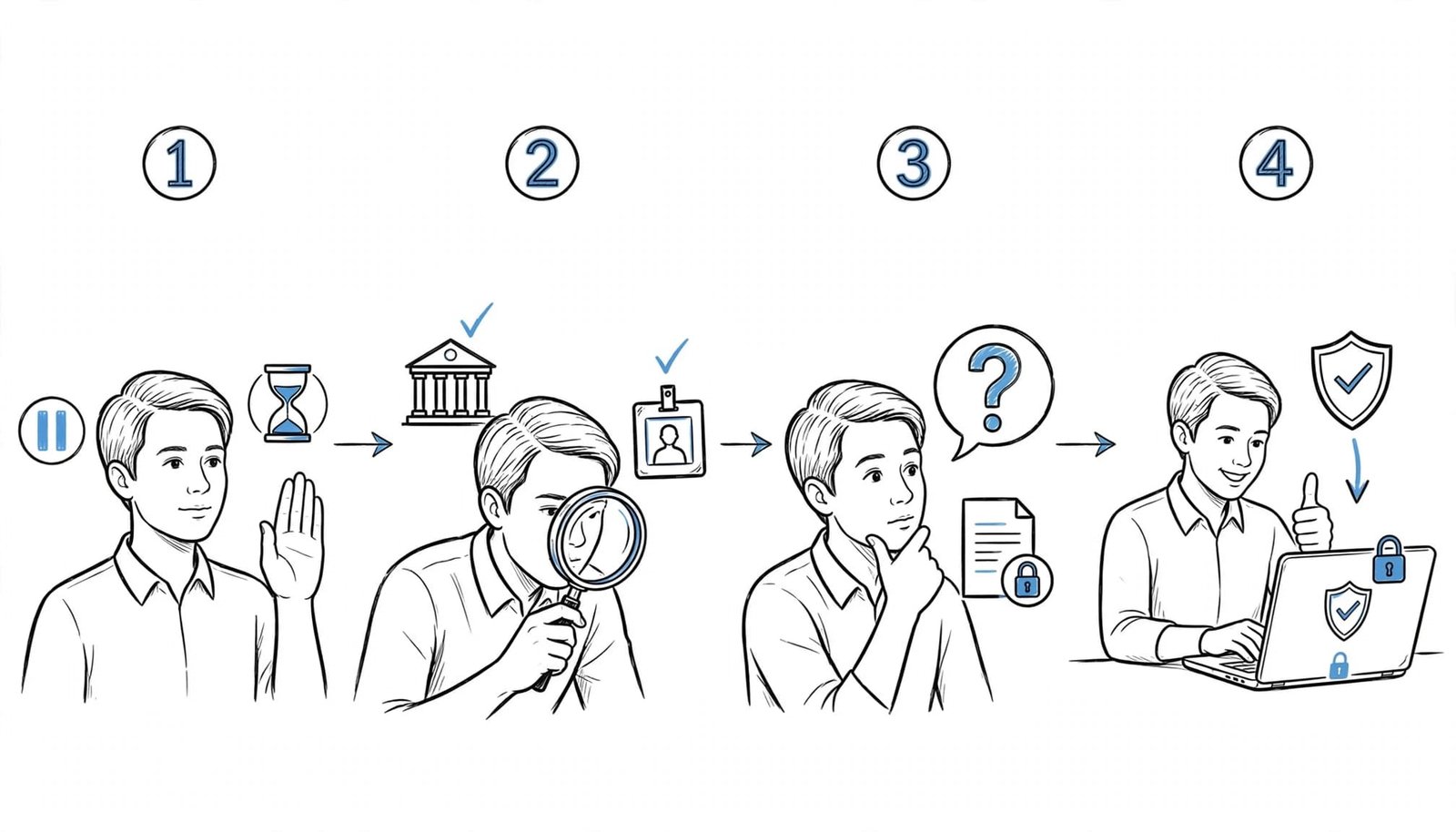
Establish who is asking
Find the prospective employer’s website and the job posting independently, rather than following links in the recruiter’s message. Contact its HR department through a published number to confirm the recruiter and opening. For an agency recruiter, confirm the agency relationship too.
An authentic-looking email address or LinkedIn profile isn’t sufficient proof. Our guidance on working with a recruiter also covers agreeing to submissions for specific opportunities.
Ask about purpose and protection
Ask why the full number is necessary now, whether disclosure can wait, and whether an applicant ID would work instead. Also ask who can access it, which screening provider receives it, and how long it remains stored.
Use this response:
“Before sharing my SSN, I’d like to understand why it’s needed at this stage and whether it can wait until a verified background check or onboarding. Please explain who receives my personal information, how it’s protected, and the secure submission method.”
Our Interview Prep Tools can help you practice stating this boundary professionally.
Submit Your SSN Through an Appropriate Channel
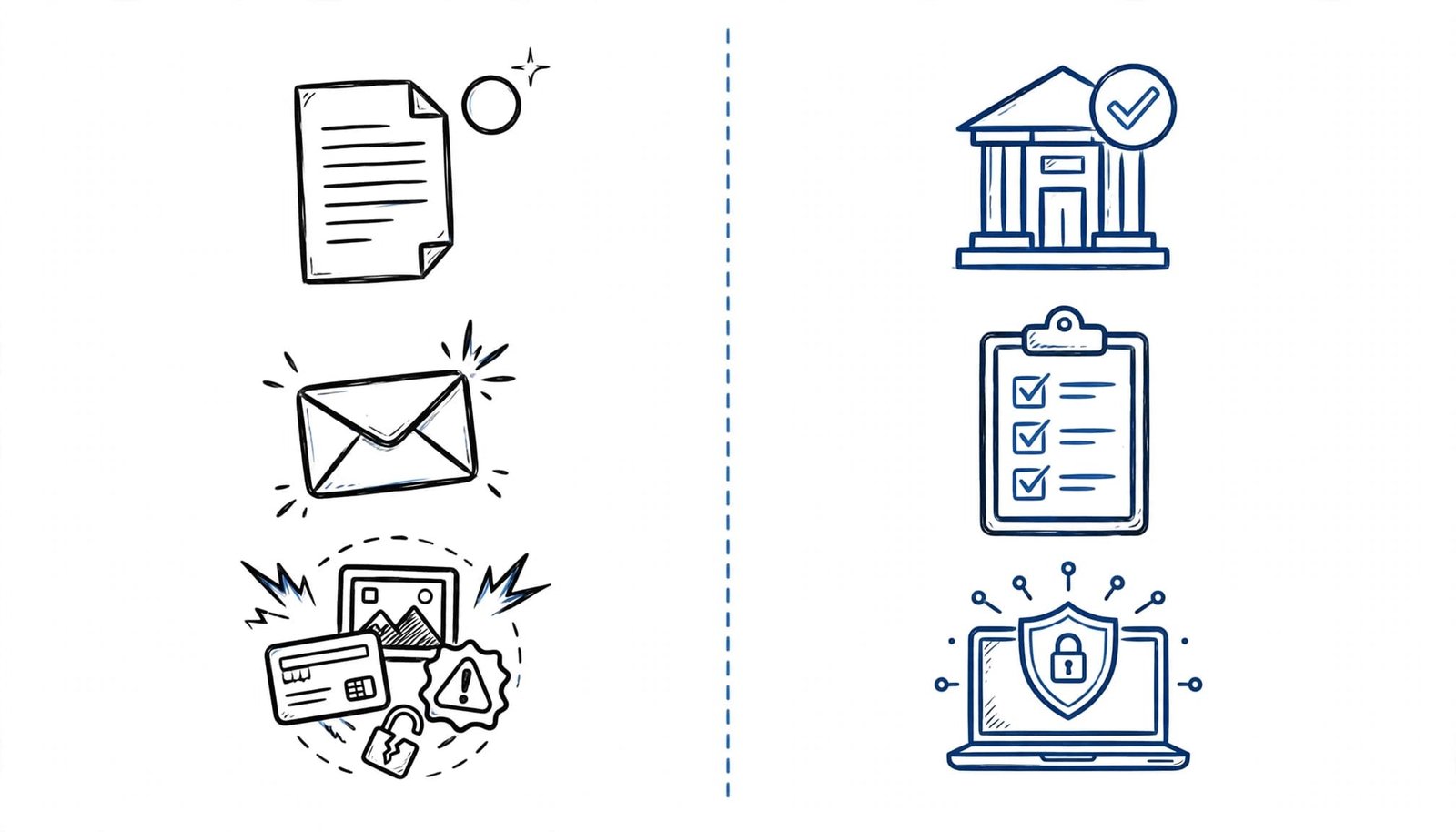
Once you’ve confirmed the purpose and recipient, use the employer’s authenticated HR portal or the screening provider’s confirmed secure system. Sending your SSN or other sensitive information through an unverified email, text, social media chat, or shared document can expose you to identity theft.
Encryption protects information in transit, but a secure connection doesn’t prove the recipient is legitimate. Never send extra identity documents just because a recruiter requests them.
Keep SSNs out of application drafts, too. At CareerScribeAI.com, documents created with our AI Resume Builder and Cover Letter Generator should focus on your qualifications, without sensitive identifiers.
Canadian Applicants: Protect Your Social Insurance Number
Canadian SIN guidance differs from U.S. SSN practices. Legitimate Canadian job ads don’t request banking or sensitive personal information. SaskJobs advises applicants not to put banking information on a resume or share it during an interview:
- Keep your Social Insurance Number off your resume and don’t disclose it in an interview.
- Omit your age, marital status, birth date, driver’s license number, and health card number.
- Don’t provide banking or financial information, including credit card numbers, bank account numbers, PINs, or money deposits.
SaskJobs says sensitive details may be discussed only after the hiring process has begun. However, that doesn’t make every request appropriate. Canada’s SIN protection guidance places the SIN requirement after hiring and upon earning income. Age and marital status aren’t routine application requirements.
If you suspect phishing, contact local police or the Canadian Anti-Fraud Centre at 1-888-495-8501. Its national call centre is jointly managed by the Royal Canadian Mounted Police, Ontario Provincial Police, and Competition Bureau.
What to Do if You Already Shared Information
If you shared your SSN with a suspected scammer, take these steps to limit identity theft: stop communicating and save the messages. Freeze your credit with Equifax, Experian, and TransUnion, then begin the FTC’s identity-theft recovery process.
Report fraud through the channels in the FTC’s job-scam guidance. Also contact the job site where you found a questionable posting. If you sent money, contact your bank or payment provider immediately.
Change compromised passwords and create strong, unique replacements. Learn the warning signs of common job scams and identity theft to improve job search safety and recognize future attempts.
Frequently Asked Questions
What if the application requires an SSN?
If the field is optional, leave it blank. If it’s mandatory before interviews, ask HR about deferring disclosure or another application route. Don’t enter a fabricated number.
Is sharing only the last four digits safe?
The last four digits are still personal information. Ask why they’re needed and whether a different identifier works. A partial number doesn’t eliminate identity-theft risk.
Keep Sensitive Information Separate From Career Documents
Your qualifications belong in recruiting conversations. Sensitive identifiers belong in a verified process with a clear purpose and appropriate protection.
Before sharing an SSN, establish who needs it and why. A request’s timing matters, but neither an offer nor a secure-looking portal proves legitimacy on its own.