

A strong informational interview can turn a cold name on LinkedIn into a trusted professional connection, serving as a powerful tool for your networking efforts. However, success only happens when you arrive prepared to listen, ask insightful questions, and respect the other person’s time.
In 2026, many of these conversations happen on Zoom, Microsoft Teams, or Google Meet. Your informational interview preparation should prioritize thorough industry research to help you better understand the nuances of your chosen career field. By combining this preparation with technical readiness and a thoughtful follow-up, you can ensure that every informational interview is a productive use of time for both you and your contact.
Key Takeaways
- Approach every informational interview as a form of career exploration rather than a hidden request for a job.
- Research the professional’s role, company, and recent projects thoroughly before reaching out to initiate contact.
- Prepare thoughtful, open-ended questions that encourage the sharing of unique stories and insights instead of simple one-word answers.
- Test your virtual meeting setup in advance and keep your notes concise during the conversation.
- Send a personalized thank-you note within 24 hours of your meeting, and focus on staying in touch with clear purpose thereafter.
Start With a Clear Goal and the Right Contact
An informational interview is a short career conversation, typically lasting 20 to 30 minutes, designed to help you navigate different career paths. By treating this session as a critical component of your job search, you gain valuable industry insights rather than simply asking someone to review your resume or find you a job. Keeping this distinction clear makes professionals much more likely to accept your request.
Choose individuals who can offer a useful view of the work you want to do. A professional who is two to five years ahead of you can often explain how they entered the field, what their daily responsibilities involve, and which skills their current employer values.
Build a list of 10 to 15 possible contacts by tapping into your professional network. Look through your alumni network, former employers, industry associations, and LinkedIn connections. Check that each person still works in the relevant role or company before sending a message.
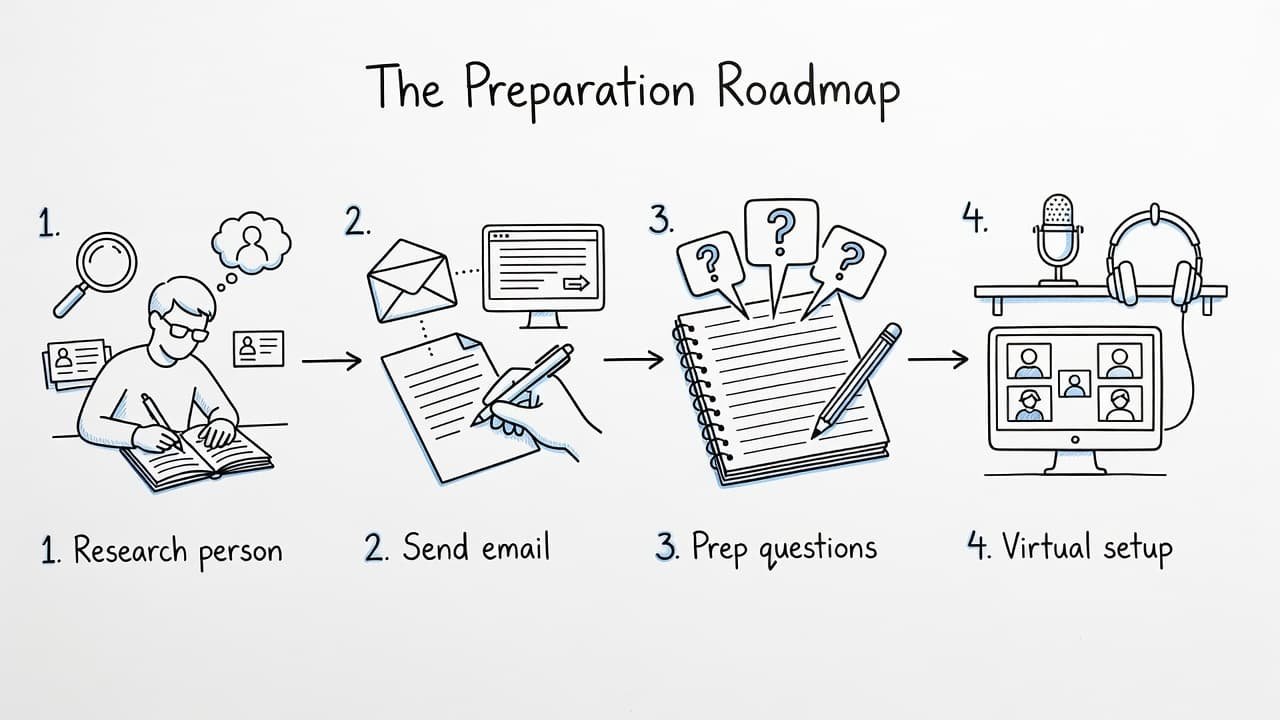
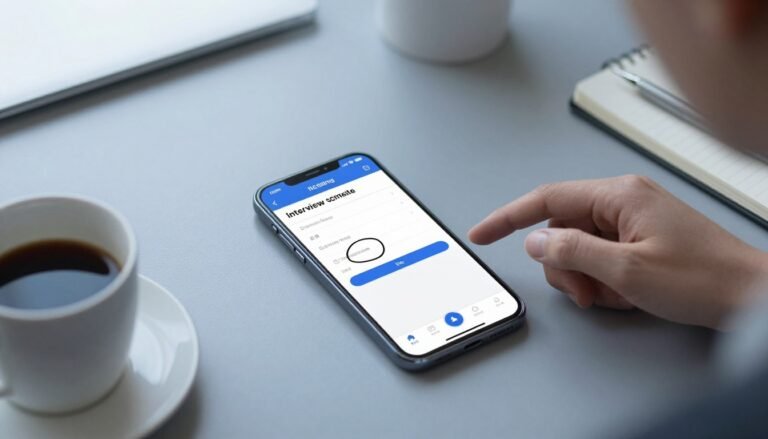
Your outreach should be short, personal, and easy to answer. When requesting a meeting, mention a shared connection, a recent project, or a career path that caught your attention. Then, request a limited amount of time. While you are not yet speaking to a hiring manager, this form of networking builds meaningful visibility with potential employers.
For example:
“I’m exploring customer success roles in SaaS and noticed your move from support into strategic accounts. Would you be open to a 20-minute call next week to share what helped you make that transition?”
Offer two time windows, but stay flexible. Avoid attaching your resume unless they ask for it. Also, avoid opening with a question about job openings. The relationship needs room to develop before you discuss specific roles.
Before the call, read Indeed’s informational interview guidance for a useful reminder: open-ended questions produce better conversations and better follow-ups.
Research Enough to Ask Better Questions
Good preparation shows up in the quality of your inquiries. Spend 30 to 45 minutes conducting thorough industry research and occupational research. Review the person’s LinkedIn profile, their employer website, current team structure, and recent company news. Read enough to avoid asking for information that is already public, as these conversations are most valuable when you seek insider tips that are not available on company websites.
Write a one-sentence introduction that explains your current position and professional direction. Keep it conversational. You might say, “I’m a marketing coordinator exploring product marketing, and I’m trying to understand what the work looks like inside a B2B software company.”
Then prepare eight to 12 questions, with your most important four at the top. You won’t ask every question during your informational interview. A useful conversation should follow the person’s answers rather than a rigid script. Essential questions to ask include:
- What does a typical workday look like in your role?
- Which skills matter most on your team right now?
- How has hybrid work changed how your team collaborates?
- What surprised you when you first moved into this field?
- Which experiences helped you earn more responsibility?
- Who else would offer a different perspective on this career path?
Avoid questions that put the person in an awkward position. Don’t ask about confidential projects, internal salaries, or gossip about coworkers. You can ask how compensation tends to work in the field, but frame it broadly and respectfully.
For fresh ideas, review these informational interview question examples. Choose questions that match the person’s actual experience to ensure your informational interview remains relevant.
AI can speed up your research, but it can’t replace human judgment. Use CareerScribeAI’s AI Resume Builder and Cover Letter Generator to compare your current experience against roles you are exploring. Then verify every AI-generated fact against the company site or the person’s public profile. Never paste private messages, confidential documents, or personal contact data into an AI tool.
Prepare for Virtual and Hybrid Conversations
Virtual informational interviews require the same level of professionalism as an in-person meeting. As part of your broader informational interview strategy, ensure you test the meeting link, camera, microphone, and internet connection the day before. If your Wi-Fi is unreliable, keep your phone nearby as a backup hotspot and save the person’s email address just in case.
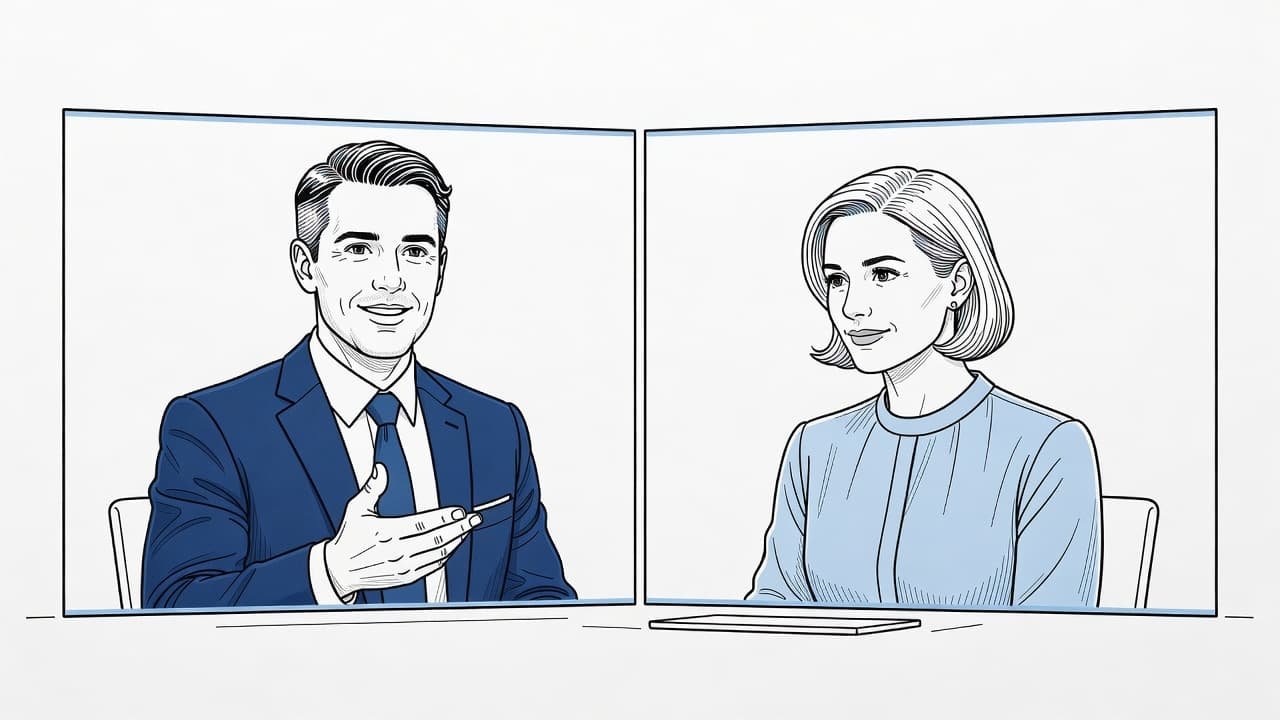
Set your camera at eye level. Face a window or lamp so your face is clearly visible, and choose a clean, uncluttered background. Wearing business casual attire is usually appropriate, though you should adjust based on the specific working environment of the company or professional you are meeting.
Join the meeting five minutes early. During the discussion, look at the camera periodically, speak a little slower than usual, and pause before responding if there is a digital delay. Keep your list of questions to ask beside the camera, but avoid reading them word for word.
Bring a short note page with the person’s name, their role, and a few details from your research. Write only key phrases while they speak, as constant typing can make you appear distracted.
If they ask about your background, provide a concise brief introduction and connect it to your interest in their field. CareerScribeAI’s strategic interview question preparation can help you practice brief, role-focused responses without needing to memorize a script.
Close Well and Follow Through
Watch the clock. At about the 20-minute mark, say, “I want to respect your time. I have one final question.” That simple signal shows awareness and gives them control over whether to continue the informational interview.
Before ending, ask whether there is another professional you should speak with. Request an introduction only if it feels natural. If they name someone, ask whether you may mention their name when reaching out.
Send a follow-up email within 24 hours. Your message should include a thoughtful thank-you note that highlights one specific insight, such as a skill to develop or a team practice that changed your understanding of the role. Following the professional advice you received is critical, and sharing a brief update on your progress later is a great way to stay connected.
A meaningful follow-up turns a single call into a long-term professional relationship. While a generic thank-you note ends the conversation, an engaged approach ensures you stay top of mind during your job search and continuously expands your professional network.
Frequently Asked Questions
Can I ask for a job during an informational interview?
No, it is best to avoid asking for a job directly. These conversations are intended for career exploration and building professional relationships, and asking for a role can make the other person feel pressured or uncomfortable.
How long should an informational interview last?
Most informational interviews are scheduled for 20 to 30 minutes. Always respect the agreed-upon timeframe by checking the clock near the end and asking if they have time for one final question before wrapping up.
Should I send my resume before the meeting?
It is generally best not to attach your resume unless the professional specifically asks for it. Your goal is to learn from their experience, so prioritize your questions rather than focusing the conversation on your own job search materials.
How should I follow up after our conversation?
Send a personalized thank-you email within 24 hours of the meeting. Mention a specific insight or piece of advice you gained during the call to show that you were actively listening and truly value their time.
Make Preparation Serve the Conversation
Effective informational interview preparation thrives when your genuine curiosity remains visible throughout the discussion. Research your contact, prepare flexible questions, and show up ready to learn rather than to persuade. When you prioritize active listening, you gain deeper insights that assist with your career exploration and informed career decisions.
Ultimately, your preparation should demonstrate that you value the other person’s time. By conducting thorough occupational research and entering the conversation with an open mind, you make it easier for the professional to provide high-quality professional advice. This is how a brief meeting transforms into a meaningful connection and a foundational step in your ongoing career development.