


A long list of clients can make your career look less focused than it is. Your freelance resume needs to show hiring managers what you delivered, when you did it, and why it matters to the role you want.
You don’t need a separate entry for every invoice. Use a concise professional summary to frame your independent work, then choose a format that makes it easy to follow.
Choose the right format for your freelance resume
The best format depends on what a hiring manager needs to see first. Indeed’s resume format guide compares chronological, functional, and combination formats. For most applications, a simple resume template with a clear dated history is a useful starting point.
Use chronological order for a clear work history
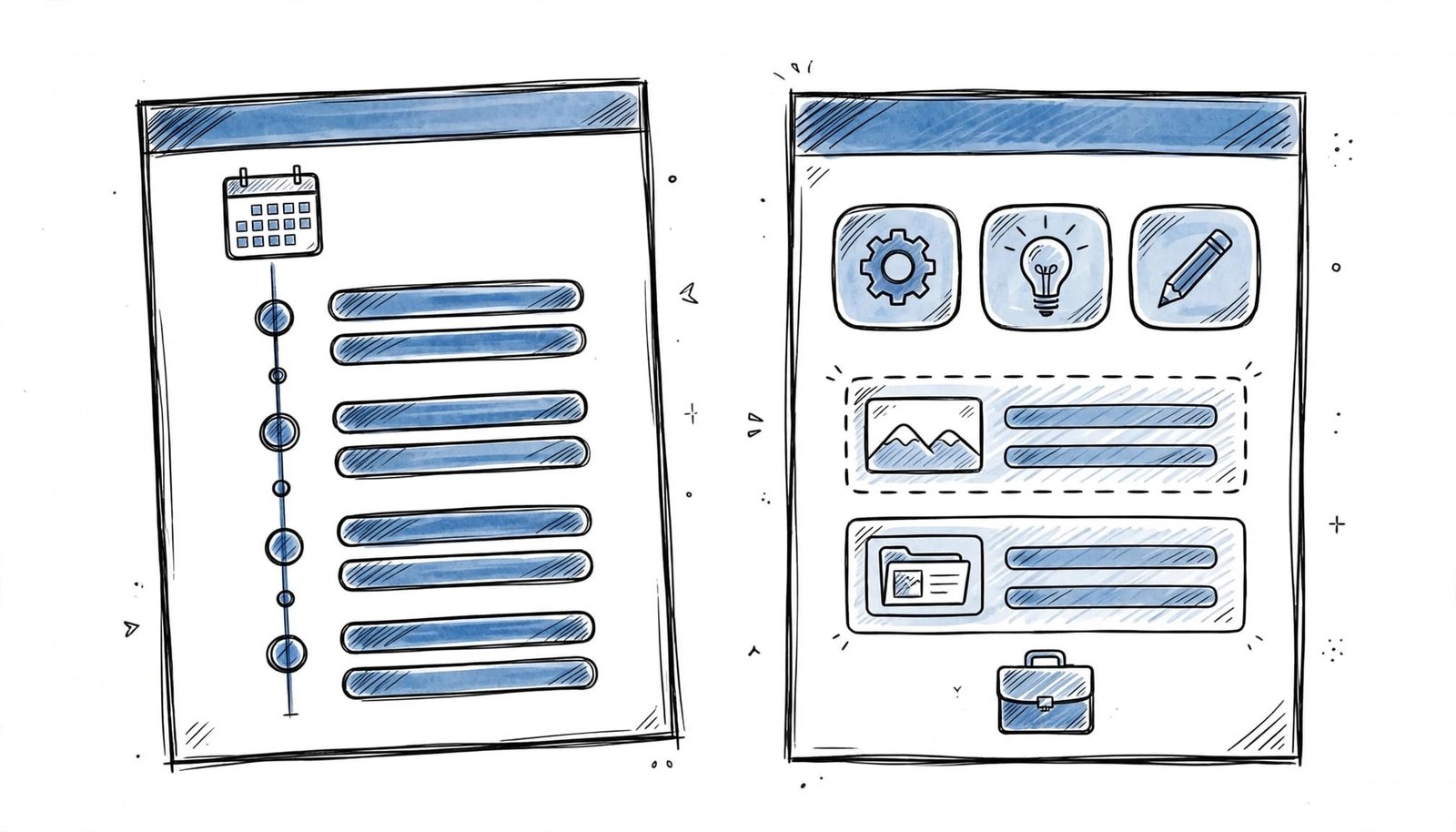
Choose a chronological resume if you’ve freelanced steadily or moved between contracts and full-time roles. List your experience in reverse chronological order, with your independent business or contract title in the work experience section and relevant projects beneath it.
A chronological resume helps recruiters see continuity without sorting through overlapping client entries.
Use a hybrid format when projects span different skills
A hybrid resume leads with a brief skills section, then shows dated experience. Unlike a functional resume, it keeps the timeline visible while highlighting skills that match the role.
A purely functional resume groups work by skill and downplays dates. That can make it harder to understand when and where you gained experience. Keep a visible timeline even when skills lead.
Build a freelance resume around selected work
Treat freelance work as professional experience. Use your business name or a clear title such as “Freelance Copywriter | Self-employed.” Include start and end dates, or use “present” if the work continues. Dated project entries can follow a chronological resume format; even a functional resume should show when each engagement took place.
Put the target role near the top
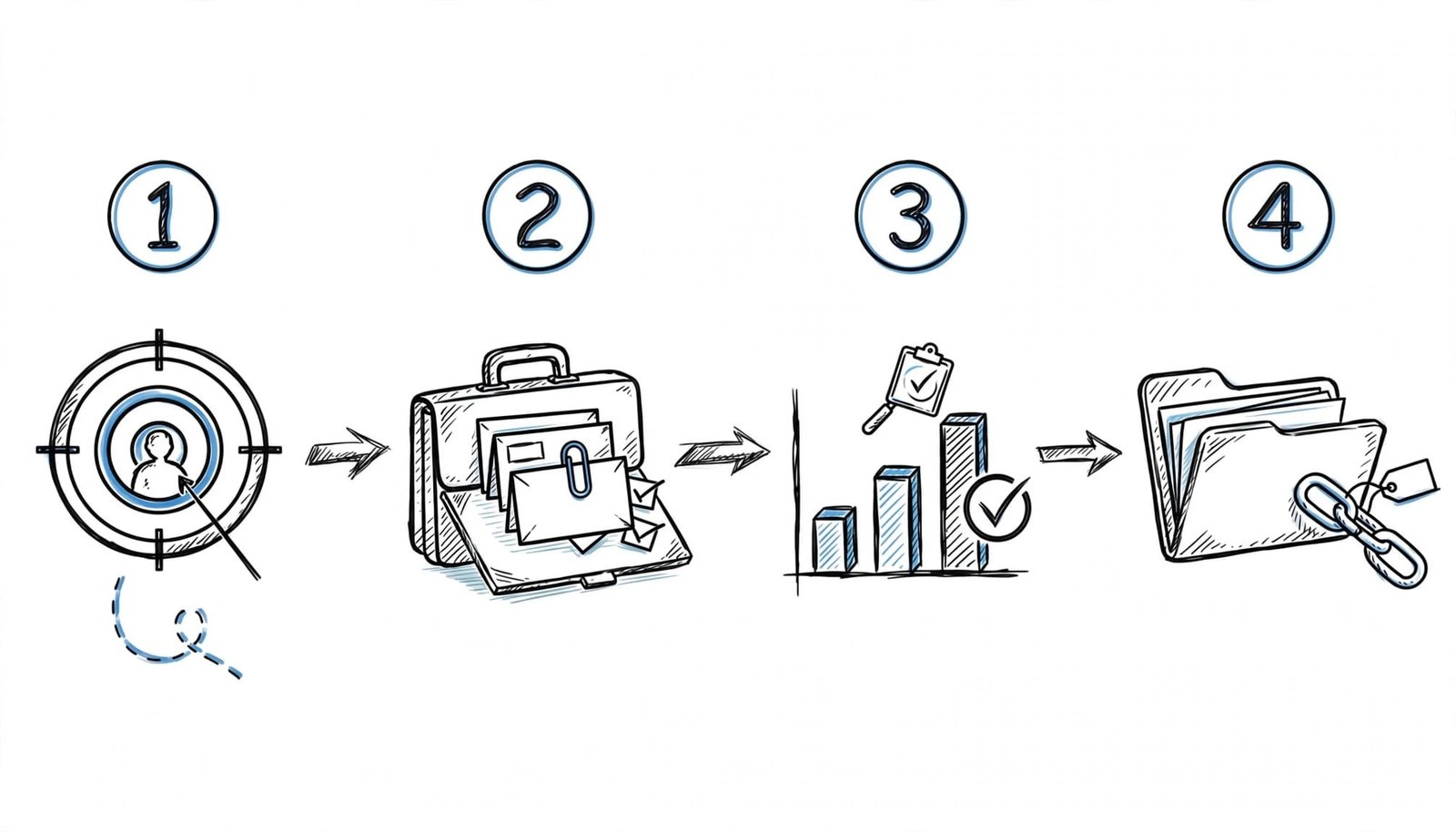
Your header should include your name, contact details, location, and a relevant portfolio or LinkedIn link. Follow it with a short professional summary that names your specialty and the work you’ve done.
Then include work experience, relevant hard skills and soft skills, and education or certifications. If you’re applying for an in-house role, use the employer’s job title when it accurately describes your work. An online portfolio lets hiring managers and potential clients review work that won’t fit on the page, and can include client testimonials.
Select projects instead of listing every client
Under one freelance role, choose engagements that prove you can do the target job, such as social media campaigns or content creation. Identify clients when you have permission, or describe the industry and assignment. Include enough detail to distinguish your contribution from the wider team’s work.
For example, a freelance writer or editor can name the publication type, editing work, and volume handled, then point to writing samples. A designer can name deliverables and accessibility requirements; omit minor projects that add no new evidence.
Show results when revenue figures aren’t available
You can write strong achievement bullets without knowing a client’s sales. Look for measurable results you can verify yourself: articles delivered, pages revised, deadlines met, events supported, or turnaround time reduced. For non-technical work, scope can be equally useful. An administrative contractor might quantify scheduling or project management, while a translator can list document types and languages handled. Client testimonials can add context, but don’t use them instead of verified claims.
Start each bullet with what you did, then add the scope or result. If you include a before-and-after measure, make sure you can explain how you calculated it. Don’t turn an AI-suggested metric into a claim unless your records support it.
The CareerScribeAI AI Resume Builder can help revise rough bullets and compare a draft with a job posting. Review every proposed change against your actual work before exporting.
Handle NDAs and employment gaps honestly
A non-disclosure agreement may prevent you from naming a client, but it doesn’t necessarily prevent you from describing your role. Use a precise, non-identifying description, such as the client’s sector and project type, only if the agreement permits it. Check whether deliverables, figures, screenshots, or portfolio samples are restricted too.
A confidential project is still useful on a resume when its permitted scope and your contribution are clear.
Freelancing between full-time jobs belongs in work experience, with accurate dates. Concurrent contracts can sit under one self-employment entry rather than appearing as several overlapping jobs. If you weren’t working during part of that period, represent employment gaps honestly instead of stretching the dates.
For a move back into permanent work, a cover letter can briefly explain your interest in the role. CareerScribeAI’s Cover Letter Generator can provide a draft, but your reason for changing direction should remain your own.
Tailor each application without sacrificing readability
Review the job description for required tools, hard skills, duties, and industry terms, but don’t claim a skill just because it appears in the ad. Bring matching experience forward in your summary, skills, and project bullets so hiring managers can see the fit. Use accurate employer wording in your resume and cover letter; Penn Career Services’ targeted resume resource can help you compare your draft with the opening.
For online applications, keep the submitted resume straightforward. Indeed’s ATS resume guidance recommends standard section headings and cautions against tables and graphics that may interfere with parsing. Even a functional resume should keep dates and standard headings clear, while an illustrated portfolio can show creative range.
Check the requested file type before uploading. If the employer accepts PDF or DOCX, inspect the exported file for readable text, intact dates, accurate contact details, and a working portfolio link. Before an interview, CareerScribeAI’s Interview Prep Tools can help you practice explaining which results were yours and which belonged to the client team.
Key Takeaways
- List contract work as dated professional experience, grouping related clients under a clear freelance role.
- Choose projects for relevance and use only results you can verify.
- Respect client confidentiality while making your contribution understandable.
FAQ
Should every freelance client get a separate entry?
Usually not. Group related engagements under your business or freelance title, then highlight the clients or projects most relevant to the application. Give a major long-term contract its own entry if that clarifies your responsibilities.
Can freelance work account for a gap between jobs?
Yes, if you worked during that time. Use accurate dates and describe the services you provided. Freelance work doesn’t need to look like full-time employment to belong on a resume.
Conclusion
Your freelance resume should make an independent career easy to understand at a glance. A clear timeline, selected projects, and defensible results do more than a crowded client list.
When you tailor those details to the role, hiring managers can see the experience behind your contracts.