


You do not need a formal manager title to describe leadership experience effectively. In 2026, employers look for concrete proof that you can guide work, support your colleagues, and remain steady when plans change. Even if you are not currently in official leadership roles, you can still demonstrate these skills through your daily actions.
Many candidates freeze when they encounter this common interview question. They often look for one massive achievement and miss the smaller, impactful moments that show true ownership. By focusing on instances of taking initiative, you can provide a sharp, clear example that resonates far more than a vague or grand claim.
Key Takeaways
- Leadership is not a title: In 2026, employers define leadership by your ability to guide work, influence peers, and solve problems rather than your formal job title.
- Prioritize initiative: Focus on moments where you took ownership, identified process improvements, or facilitated collaboration to achieve measurable results.
- Use the STAR method: Structure your responses using Situation, Task, Action, and Result to ensure your story is concise, concrete, and easy for recruiters to follow.
- Quantify your impact: Always include specific metrics or outcomes to prove the effectiveness of your actions, moving your answer from vague claims to hard evidence.
What employers mean by leadership experience now
When an interviewer asks you to describe leadership experience, they are usually testing three core competencies: how you influence people, how you utilize problem solving, and whether your actions led to a measurable result. In 2026, the definition of leadership is broader than holding formal leadership positions. While employers still value traditional team management, they are increasingly focused on emotional intelligence, adaptability, and analytical thinking.
In this modern context, informal leadership is just as valuable as formal oversight. Leadership can manifest in ways that might not appear managerial on paper. You might demonstrate it as a proactive team member who is taking responsibility for specific project outcomes, or by highlighting transferable skills gained through volunteer work or community initiatives. These moments are critical because they prove you have the judgment and initiative to drive results, regardless of your official job title.
The question may arrive in various forms, such as “Tell me about a time you led a project” or “How have you influenced others without authority?” If you want to compare phrasing and sample responses, Indeed’s breakdown of the question and these leadership interview questions to prep for are useful references.
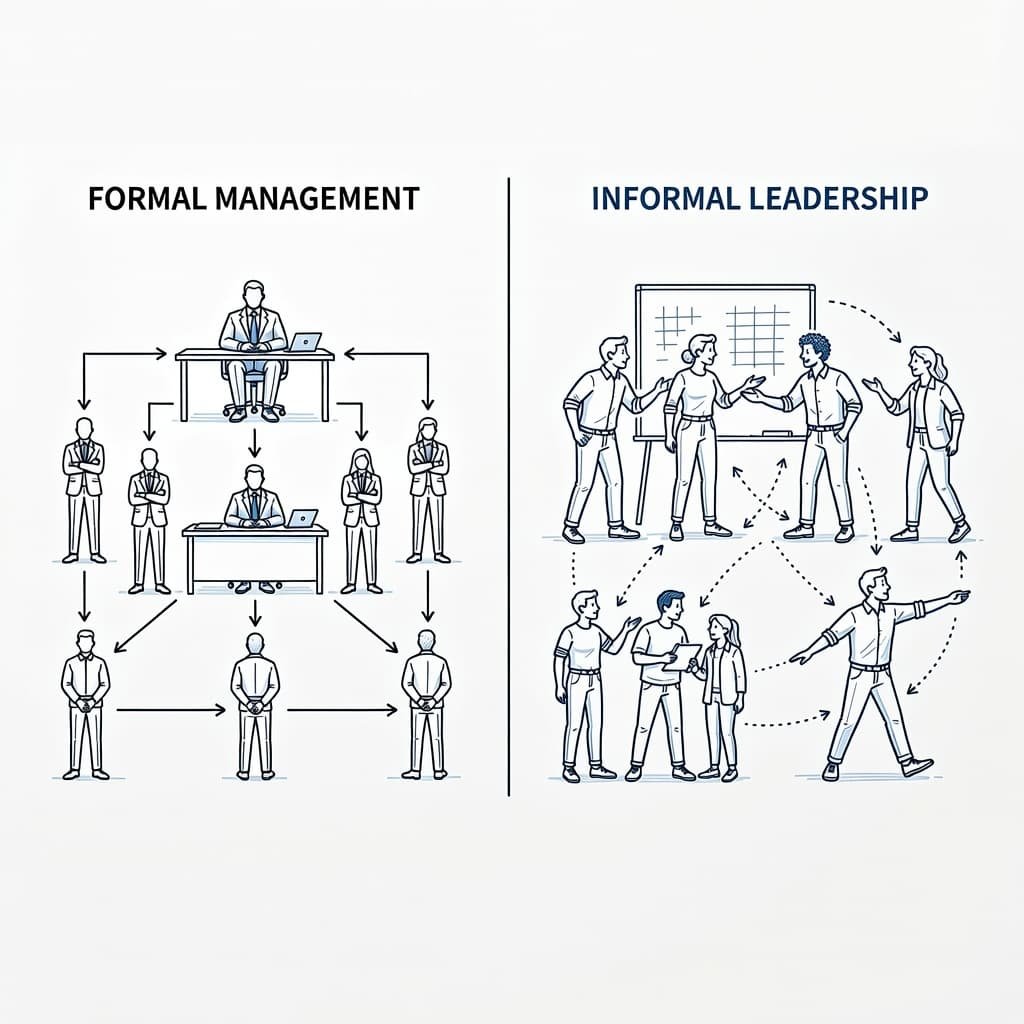
If your title does not sound senior, do not lead with that limitation. Lead with your actual contributions. A strong answer often features project ownership, mentoring, cross-functional collaboration, or a process improvement that saved time or reduced errors. CareerScribeAI’s AI Resume Builder can help surface those specific stories from your professional history, and its Cover Letter Generator can help you keep those examples consistent across your entire application.
If you helped people move work forward, you have leadership experience worth discussing.
Build a sharp answer with the STAR interview technique
The best leadership answers are short, concrete, and easy to follow. Using the STAR interview technique keeps you from rambling and makes your impact clear to any recruiter.
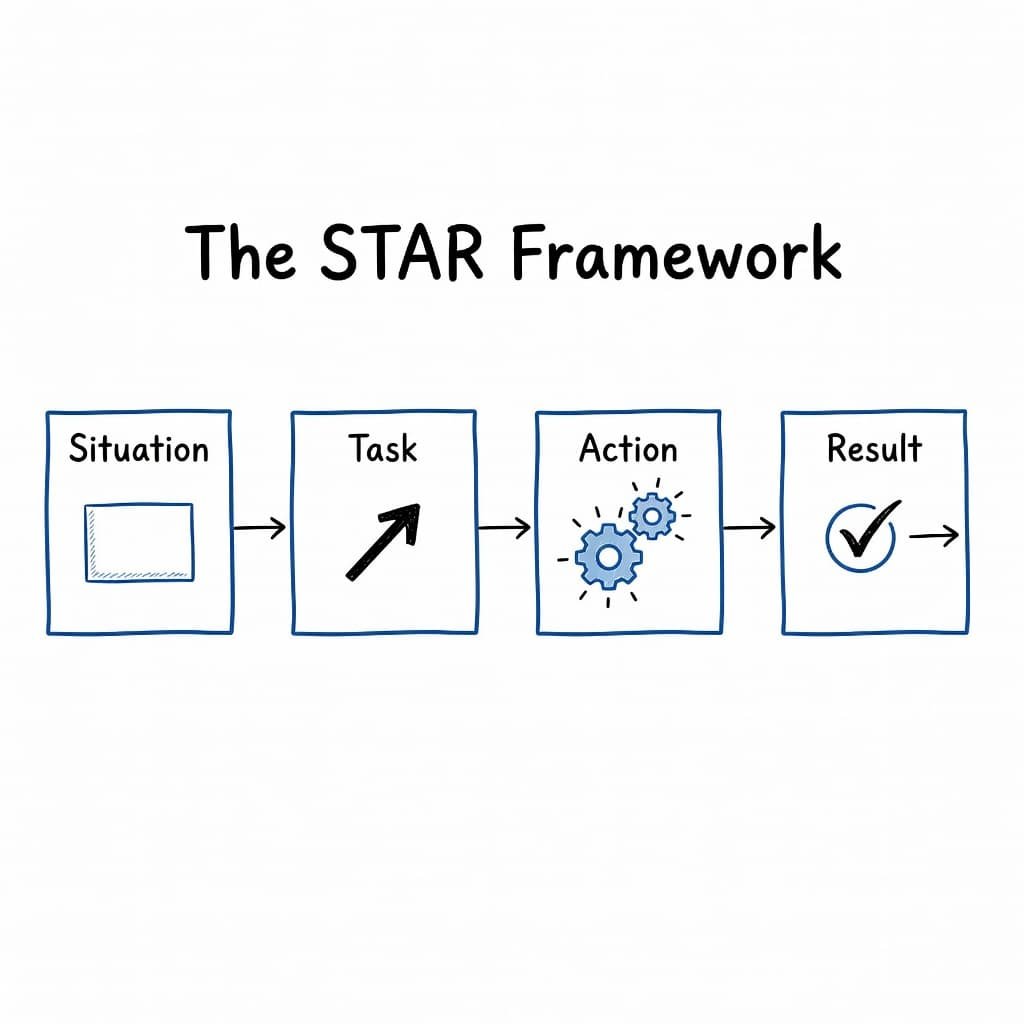
Use this simple structure:
- Situation: Set the scene in one or two lines.
- Task: Explain the problem or goal you owned.
- Action: Show what you did, focusing on how you guided others. Highlight specific behaviors such as mentoring, communication skills, resolving conflicts, and decision making to demonstrate your core leadership style.
- Result: End with the outcome. Always try to quantify accomplishments with numbers to provide concrete evidence of your success.
Your answer should usually last 60 to 90 seconds. That is enough time to show context and still sound decisive. Keep the focus on your individual contributions rather than the general efforts of a team member. Saying, “I coordinated weekly check-ins, clarified owners, and resolved blockers,” is much stronger than saying, “We worked hard together.”
Also, name the leadership behavior directly. If you mentored a new hire, aligned stakeholders, or took initiative when priorities shifted, explicitly state it. That makes it easy for the interviewer to connect your story to the role. If you want guided practice, getting started with interview preparation walks through predicted questions and STAR-based rehearsal.
A final tip matters more in 2026 than it did a few years ago. Show how you handled change. If AI tools, new systems, or shifting goals were part of the story, mention how you adapted and helped others adjust.
Strong interview answers sound like evidence, not self-labels.
Sample answers for entry-level, mid-career, and manager-level roles
One good story can take different shapes depending on your experience. The trick is to match the scope of the example to the job you are pursuing. Whether you are demonstrating personal growth or navigating specific leadership roles, your answer should highlight your unique impact.
Entry-level example
“I have not formally managed people yet, but I have consistently focused on leading by example during group projects. During my internship, our team kept missing deadlines because handoffs were unclear. I took the initiative to map the process, suggest a shared tracker, and run short check-ins twice a week. As a result, we finished the next campaign on time, and my manager continued using the tracker after I left.”
This works because it shows initiative, structure, and a measurable result.
Mid-career example
“In my last role, I led a diverse team through a cross-functional product update involving members from support, sales, and engineering. I did not manage those groups directly, so I focused on alignment to achieve measurable results. I set milestones, clarified decision owners, and translated feedback between teams when priorities conflicted. We launched on schedule, cut support tickets by 18 percent in the first quarter, and improved trust between departments.”
This answer proves leadership without relying on a direct-report count.
Manager-level example
“As an operations manager, I led a 12-person team through a significant scheduling change after demand shifted. Morale dropped at first, so I held one-on-ones, used team feedback to adjust the rollout, and coached supervisors on how to explain the new process clearly. By delegating tasks effectively and ensuring everyone felt heard, absenteeism fell, coverage improved, and we met service targets without adding headcount.”
This one works because it combines people leadership, change management, and business results.
If several interviewers will hear your story at once, these tips for panel interviews can help you tighten timing and keep the answer easy to follow.
A few mistakes can weaken even a solid example:
- Don’t open by saying you have no leadership experience.
- Don’t pick a story with no clear challenge or outcome.
- Don’t hide your role behind vague team language.
- Don’t stretch the truth, because influence is enough on its own.
Frequently Asked Questions
What if I have never held a management role?
You can still demonstrate leadership by focusing on instances where you took initiative, mentored a colleague, or improved a workflow. Employers value the ability to drive results and support team goals, which can be done effectively from any position.
How long should my leadership answer be?
Aim for a response between 60 and 90 seconds. This length allows you to provide sufficient context and explain your personal contribution without rambling or losing the interviewer’s attention.
Is it okay to mention a team effort?
While you should mention the team context, the focus of your answer must remain on your individual contributions and specific leadership behaviors. Use “I” statements to clarify exactly what you did to move the project forward, rather than focusing on general team activities.
Should I mention negative outcomes?
It is usually best to focus on stories that led to a successful result, as this proves your ability to navigate challenges effectively. If you do discuss a difficult situation, ensure the focus remains on the actions you took to adapt and the positive steps you implemented to turn the outcome around.
The answer that lands best
The strongest response to this interview question does not depend on you having a fancy job title. Instead, it proves that you are capable of taking responsibility, influencing your peers, and improving outcomes. Whether you are leading a team or managing a project, employers want to see that you understand the weight of your decisions.
Pick one story with real stakes, clear actions, and a result you can explain in plain language. Remember that impactful leadership roles can be found at every career stage, from entry-level positions to executive management. Practice your story until it sounds natural, as true confidence comes from a solid structure rather than rigid memorization.