

Silence after a job interview can scramble your confidence fast. You start rereading the job post, second-guessing your answers, and wondering if one more email will help or hurt.
A good follow-up won’t force a decision, but it can keep your name active and show sound judgment. The safest approach when you need to follow up after interview silence is simple: send fewer emails, make each one useful, and stop before you sound frustrated.
Key Takeaways
- Mind the Timeline: Wait until the day after a promised decision deadline to follow up, or 7 to 10 days if no specific timeline was provided.
- Keep It Concise: Limit your follow-up emails to 120 words or fewer, ensuring they are professional, easy to read, and contain only one clear question.
- Stay Strategic: Use the same email thread to maintain context, avoid sending unsolicited attachments, and skip apologetic language that sounds like you are bothering the recruiter.
- Know When to Close: If you do not receive a response after two follow-up attempts, send a polite closure note to end the correspondence professionally and keep the door open for future opportunities.
When to send a follow-up email after no response
Timing matters as much as tone during the hiring process. If the hiring manager gave a decision date, use that date as your starting point. If they said, “We will be in touch next week,” wait until the next business day after that window ends.
If they gave no timeline, email your first check-in about 7 to 10 days after the interview. Then wait another 5 to 7 business days before sending a second note. General guidance in Indeed’s follow-up email examples lines up with that pace, because it respects the employer’s schedule without letting the thread go cold.
This quick table makes the sequence easier to follow:
| Situation | When to send | Goal |
|---|---|---|
| Thank-you note | 24 hours after interview | Show appreciation and reinforce fit |
| First follow-up | 7 to 10 days after interview, or after the promised date | Ask for a status update |
| Second follow-up | 5 to 7 business days later | Reconfirm interest and ask if the role is still active |
| Closure note | After two unanswered follow-ups | Leave the door open and move on |
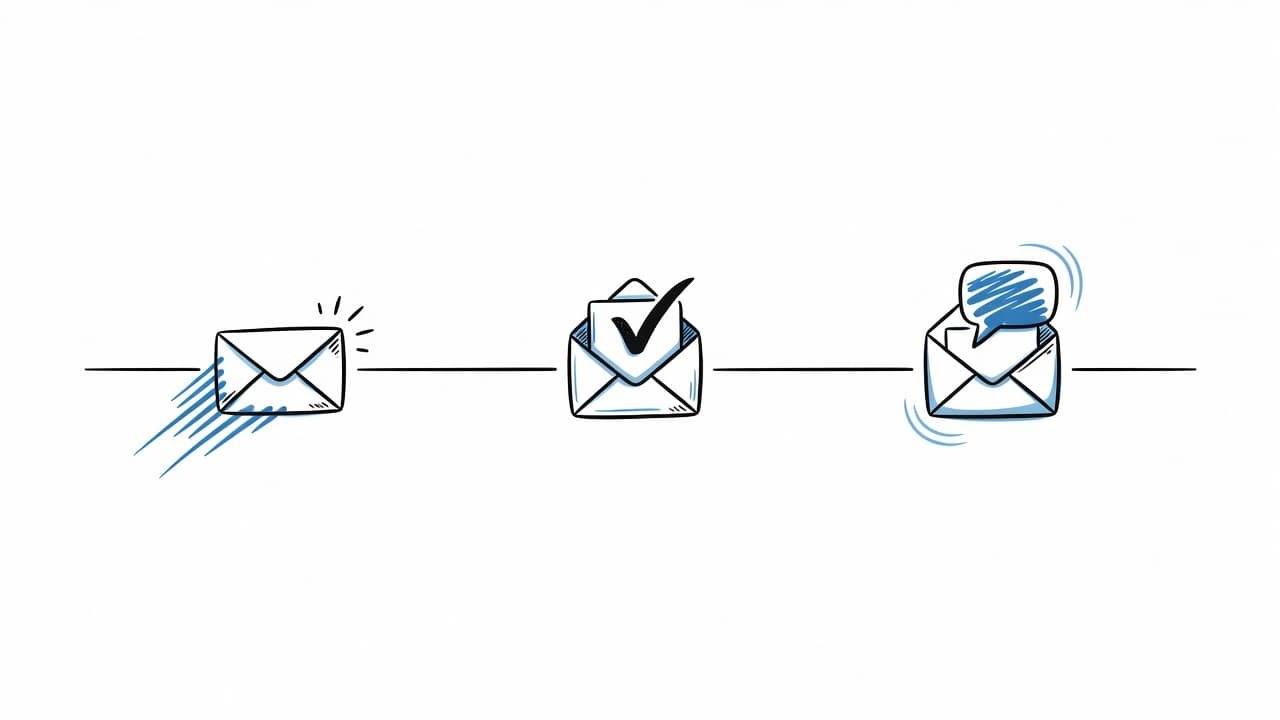
In 2026, email is still the safest default unless the recruiter asked you to text, message on LinkedIn, or use a hiring portal. Professional recruiters often prefer email as the default communication channel for managing candidates. Also, reply in the same email thread when you can. That keeps context together and saves the hiring team time.
Interview follow-up email templates you can use
Before sending these, ensure you have already sent a standard thank you email shortly after your interview. If you have not heard back after that initial message, the following interview follow-up email templates are designed to be short, specific, and professional. Aim to keep each follow-up email after interview under 120 words, mention one specific detail from your conversation, and include only one clear question.
First follow-up after no response
Use this draft once the stated hiring timeline passes, or about one week after your interview if no specific deadline was provided.
Subject: Checking in on the [Position Title] interview
Hi [Name],
Thank you again for meeting with me on [Date]. I am checking in on the hiring timeline for the [Position Title] position at [Company Name]. I enjoyed our conversation about [specific topic], and I am still excited about the chance to join the team. If you need anything else from me, I am happy to send it.
Best,
[Your Name]
This note works because it is polite, direct, and easy to answer.
Second follow-up email
Use this template when your first check-in receives no response after another business week has passed.
Subject: Following up on the [Position Title] position
Hi [Name],
I wanted to follow up one more time regarding the [Position Title] role at [Company Name]. I know schedules can shift, so I wanted to ask whether the search is still active and whether you have an updated timeline to share. I maintain my continued interest in the role and truly appreciated learning more about [team or project].
Thank you,
[Your Name]
The tone matters here. You are not chasing; you are simply confirming the status of the hiring process.
Checking in after a final interview
Final-round silence often feels more stressful because the process is nearing a decision. Keep this note warm, but ensure your request for an update remains simple.
Subject: Final interview follow-up for [Position Title]
Hi [Name],
Thank you again for the final interview on [Date]. Reflecting on our interview conversation strengthened my interest in the [Position Title] position at [Company Name], especially our discussion about [specific challenge or goal]. I wanted to check if there is an updated decision timeline. I am happy to provide references or any other additional information if that would be helpful.
Best regards,
[Your Name]
If several people interviewed you, send this to the primary hiring contact unless the team instructed you otherwise.
Polite closure after no response
Sometimes the most professional move is to end the thread with grace. This protects your reputation and leaves the door open for future opportunities.
Subject: Thank you for the opportunity
Hi [Name],
I know hiring timelines can change, so I wanted to close the loop on my end regarding the [Position Title] role at [Company Name]. I appreciated the chance to speak with you and learn more about the team. If the role has moved in another direction, I understand. Please keep me in mind for future openings that fit my background.
Thank you,
[Your Name]
A closure note provides you with a sense of completion, which is important for maintaining your mental clarity during a long job search. If silence turns into a rejection, learn how to ask for interview feedback to turn the outcome into actionable growth for your next round.
How to write a follow-up that gets read
Good job search communication is usually plain, not clever. Hiring teams scan messages quickly, so your email should look easy to answer at a glance. When crafting a professional follow-up email after interview, keep the message brief and tied to the hiring timeline.
A strong message usually has four parts:
- A clear subject line that names the role.
- A short thank-you or reference to the interview date.
- One sentence that reconnects you to the conversation.
- A direct call to action asking about the next steps.
These strategies apply whether you are following up on a phone interview, an informational interview, or a standard job application. Skip long updates, pressure, and apology language. Do not write that you hate to bother them or that you know they are busy. Instead, replace that filler with a brief mention of your appreciation for their time and consideration. Additionally, avoid sending new work samples unless the hiring manager specifically asked for them.
While you wait, use the time well. CareerScribeAI’s AI Resume Builder can sharpen bullet points, the Cover Letter Generator can tailor your next application, and the Interview Prep Tools can help you prepare for round two. Their quick start guide for job seekers is a useful place to set up those tools and keep track of follow-up dates.
Frequently Asked Questions
Is it okay to follow up via LinkedIn if I don’t get a response to my email?
Generally, it is best to stick to the communication channel you have already established, which is usually email. Only reach out on LinkedIn or other platforms if that was the primary way you communicated with the recruiter during the hiring process.
Should I mention other job offers in my follow-up email?
Only mention other offers if you have a hard deadline and need to speed up the process. If you do choose to mention them, keep the tone professional and helpful rather than demanding, as you want to signal that you are a desirable candidate without applying undue pressure.
What if I was interviewed by a panel? Who should I email?
Always send your follow-up email to the primary point of contact or the recruiter who has been coordinating your interview schedule. Do not reach out to every individual panelist unless they explicitly invited you to do so during the interview.
Final thoughts
Silence after an interview does not always mean rejection. More often, it simply means the company is moving slowly, is preoccupied with other priorities, or is still finalizing its hiring decisions.
The strongest follow-up emails are brief, timely, and specific. Send one clear check-in, wait for a reasonable amount of time, send one more if needed, and then close the loop with confidence as you follow up after interview.