


A conditional job offer can stall if background screening reveals differences between your application and the records an employer verifies. Preparing starts with accurate information, organized documents, and clear expectations about the checks.
For Canadian job seekers in 2026, privacy requirements vary by the employer’s jurisdiction and the information requested. Before sending personal documents, ask what the employer plans to check and which background check provider will handle the screening. You can also ask who will have access to your information during the hiring process.
Know what your employment background check includes
Pre employment background checks vary by position. Ask the recruiter which checks apply to your background screening and which background check provider conducts them. Also ask whether the offer depends on specific results.
Employment, education, and references
Employment checks usually confirm details such as employers, job titles, and dates. Education checks verify credentials with the issuing institution. Professional licensing checks may also confirm professional qualifications for regulated occupations.
Reference checks gather feedback about your work rather than simply confirming that you held a position. Before supplying contact details, ask each reference’s permission and confirm their current email address. Also clarify whether the employer plans to contact your current workplace.
Criminal, credit, and driving records
A criminal record check examines police-record information, not your professional performance. The type of check matters, so ask what the employer requires before ordering one yourself.
A credit history check may relate to financial responsibilities. A driving record check may be relevant for roles involving vehicle operation, where workplace safety is a consideration. Vulnerable sector checks may apply to eligible positions involving trust or authority over vulnerable populations. These checks aren’t automatic for every applicant.
Get your records and application details in order
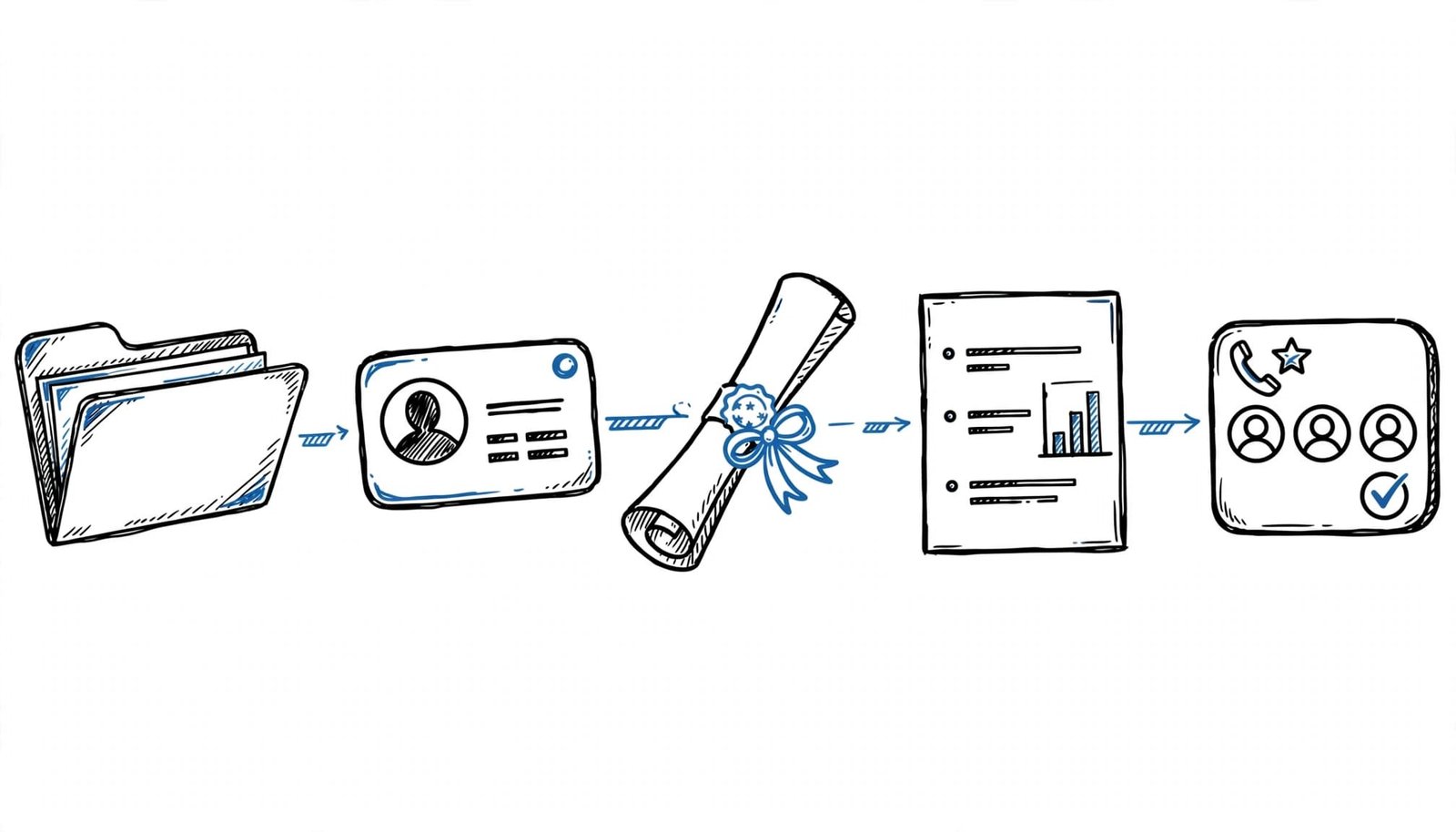
Build one accurate employment timeline
Compare your resume, application forms, and LinkedIn profile against employment contracts, records of employment, and graduation documents to prepare for employment history verification and education verification. Check names, dates, legal employer names, credentials, and professional licence status against official records for identity verification.
Keep official titles distinguishable from descriptive titles used to explain your responsibilities. If your resume shows only years, prepare the month-level dates that screening forms may request. For overseas employment or education, locate the institution’s contact information and ask whether translations are necessary.
CareerScribeAI.com’s AI Resume Builder can help tailor your application, but review every proposed change against your records. A match score measures alignment with a posting, it doesn’t verify employment or credentials. Apply the same check to statements generated with its Cover Letter Generator.
Prepare explanations without sharing unnecessary data
Write brief, factual explanations for employment gaps, name changes, or differences between documents. If you discover an error in a submitted application, tell the recruiter before verification begins.
Keep identity documents available, but upload them only through the employer’s verified screening channel. Don’t put personal information, including identification numbers, police reports, or unrelated sensitive information, into resume tools.
CareerScribeAI’s January 2026 privacy policy describes access and correction options for account data. However, those account controls don’t replace the separate process for correcting a screening provider’s report.
Understand consent and privacy rules in Canada
Federal and provincial rules differ
The Office of the Privacy Commissioner explains that workplace privacy obligations depend on jurisdiction. PIPEDA covers employee information at federally regulated businesses, including banks and airlines. It doesn’t govern every Canadian private-sector employment relationship identically.
Alberta and British Columbia have private-sector Personal Information Protection Acts. Quebec has its Act respecting the protection of personal information in the private sector. The federal commission’s overview of Canadian privacy legislation explains how these laws interact with PIPEDA.
Applicable privacy laws depend on jurisdiction. Employers generally need meaningful consent unless an exception applies. Some provincial laws permit reasonable employment-related collection without consent, subject to conditions. Written consent is common, but it isn’t a universal requirement for every check.
Before providing candidate consent, read the authorization carefully. Ask which information will be collected, why it’s needed, who receives it, and how long it’s retained.
Social media and criminal records need careful handling
Publicly visible social media information can still be personal information when an employer collects it. Social media screening doesn’t mean public access removes privacy obligations or permits decisions based on protected characteristics.
Review your public profiles for accuracy and adjust privacy settings. However, don’t assume every employer conducts social media screening.
Human rights legislation also differs by jurisdiction. Under the federal framework, the Canadian Human Rights Commission identifies job denial over a pardoned or suspended conviction as a possible discrimination case. Provincial protections aren’t identical. If screening raises concerns, seek advice about the rules governing that employer.
Allow time for verification and correct mistakes early
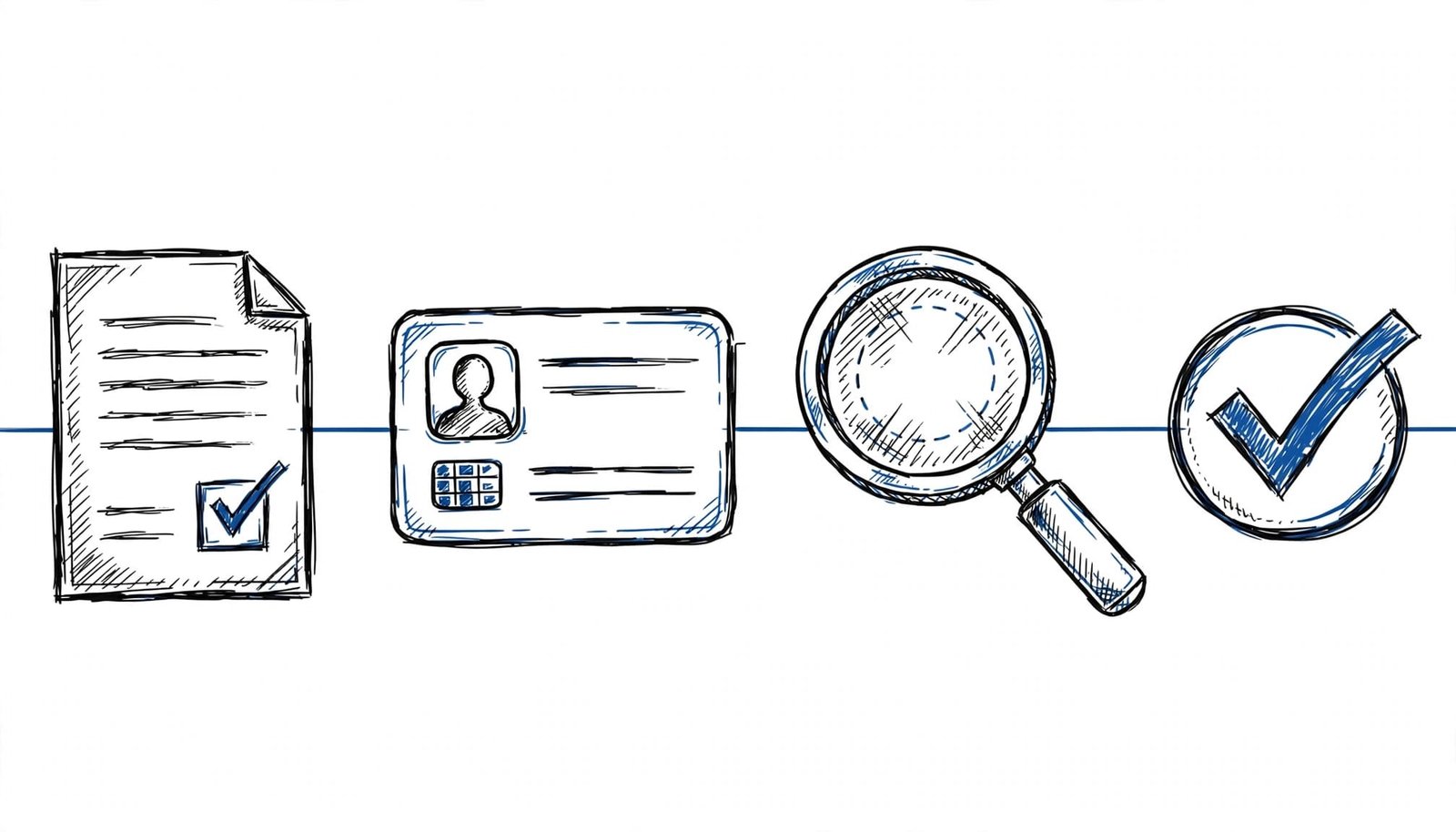
There isn’t one reliable turnaround time for an employment background check. Employer responses, overseas records, identity discrepancies, and fingerprint requirements can all affect timing and extend background screening.
For electronic fingerprint submissions to the RCMP’s Canadian Criminal Real Time Identification Services, an RCMP database search takes three business days or less when there’s no match. A possible match or manual processing can take 120 business days. Mailing time is additional. These figures don’t describe every name-based police check or commercial screening package.
Ask the recruiter for the expected completion date, any costs you’re responsible for, and instructions if verification runs late. Don’t purchase an online background check until the employer confirms it will accept that particular report.
If information appears inaccurate, request access to the report and ask the background check provider how to dispute it. Supply supporting records and tell the recruiter you’ve requested a correction while it’s pending.
CareerScribeAI’s Interview Prep Tools can help you practise factual explanations for employment gaps or career changes. Keep those explanations consistent with your documents.
Frequently Asked Questions
How long does an employment background check take?
Timing varies based on the checks involved, employer responses, and whether records need manual review. Ask the recruiter for an expected completion date and let them know if a verification is delayed.
Should I order my own background check?
Wait until the employer confirms it will accept the report you plan to order. Providers and screening packages can differ, so an independently ordered check may not meet the employer’s requirements.
Can an employer contact my current workplace?
Ask the recruiter whether and when they plan to contact your current workplace. Confirm that your references have agreed to be contacted and provide accurate contact details.
What should I do if a background check contains inaccurate information?
Ask the screening provider how to access and dispute the report, and provide supporting records. Tell the recruiter that you’ve requested a correction while the issue is being reviewed.
Key takeaways for a smoother background check
Preparation gives you a reliable record of what an employer can verify. Accuracy and limited disclosure matter more than collecting every possible document.
Confirm the screening scope, reconcile your application details, and understand the privacy rules that apply. If a discrepancy appears, address it promptly with evidence rather than waiting for the hiring decision.