

When the interviewer says during a job interview, “Do you have any questions for me?”, that moment still changes the room. A weak question sounds like filler. A strong one shows judgment, curiosity, and self-respect.
In 2026, questions to ask interviewer do more than help you stand out. They help you spot unclear roles, shaky hybrid policies, and teams that talk about growth but can’t explain it. That’s why your fit for the role depends on the ones that reveal how the job actually works.
Key Takeaways
- Tailor questions to ask interviewer to the stage: logistics in recruiter screens, success metrics with hiring managers, collaboration in peer rounds, and growth paths in finals.
- In 2026, include at least one question on AI’s role in daily work and hybrid setups to reveal real team dynamics and human judgment needs.
- Skip vague culture asks; probe for evidence on challenges, priorities, performance metrics, and handoffs to spot mismatches early.
- Use a 5-step framework—research company, review job description, match goals, tailor to stage, practice delivery—to choose sharp questions that impress and protect.
What smart interview questions reveal in 2026
The interview process now starts earlier and lasts longer. Many employers incorporate AI screening, video rounds, and skills tests into their interview process before a final human conversation. That means your questions need to do two jobs at once: show you’re prepared, and help you judge the role with clear eyes.
Recent coverage of the hiring process, including Business Insider’s look at AI-related interview questions, shows how quickly AI use has become part of normal hiring talk. Employers also care more about hybrid fit for remote work, team habits, and how success gets measured.
So, skip the old standby questions that could fit any company. “What’s the company culture like?” is too soft on its own. Instead, ask for evidence. Try, “How does the team share feedback when people work in different places?” or “What would strong performance look like after six months?”
If your questions could work at any company, they probably won’t teach you much.
If you’re searching for questions to ask interviewer panels, think like a reporter, not a performer. Look for the gap between the job description and the daily work. Before the interview, sort the job description into core and bonus needs with this guide to must-have vs nice-to-have skills. That makes it easier to ask about what matters most.
The same prep starts with your application. Since AI filters still shape who gets seen first, a clean format helps. CareerScribeAI’s one-column Lever ATS resume guide is a useful reminder to keep your resume readable before you ever reach the job interview. Its AI Resume Builder, Cover Letter Generator, and Interview Prep Tools can also help you line up your documents and talking points around the same themes.
The best questions to ask in an interview, by stage
Timing matters, especially for the hiring manager round. The best question in a final round may sound off in a recruiter screen.
| Interview stage | Strong question to ask | What it reveals |
|---|---|---|
| Recruiter or phone screen | How is this role set up today, and what changed that led to this opening? | Whether the job is stable, growing, or messy |
| Hiring manager round | What would success in this role look like in the first 90 days and 180 days? | Clear goals, pace, and performance metrics |
| Peer or panel round | When priorities conflict across teams, how do people work through it? | Real collaboration (not polished slogans) |
| Final round | What paths have people in this role taken after doing well here? | Career path, professional development, retention, and whether promotion is real |
The takeaway is simple: ask logistics early, outcomes in the middle, and growth near the end. That sounds natural and helps you avoid repeating yourself.
The best questions to ask a hiring manager usually focus on output, support, and judgment. For example, ask how work gets prioritized, how decisions are made, and what problems need fixing now. That tells you more than broad culture talk ever will.
In 2026, you should also ask at least one question about AI and one about work setup. A few good options are:
- How does the team dynamic incorporate AI in daily work, and where does human judgment matter most?
- What does a typical day look like across remote and in-office days?
- Which teams does this role work with most often, and where do handoffs tend to break down?
- What are the biggest challenges and immediate projects for this role?
- Which metrics matter most to measure success in the first six months?
If you want more AI-focused phrasing, this 2026 guide to AI interview questions is helpful for seeing how employers frame tool use, judgment, and responsibility. For a broader sample bank, this 2026 list of smart interview questions can help you compare wording.
Frequently Asked Questions
What are the best questions to ask at different interview stages?
Timing your questions to ask interviewer makes them land stronger. In recruiter screens, ask about role stability and changes leading to the opening. For hiring managers, focus on 90/180-day success; peers on cross-team conflict resolution; finals on career paths post-success.
Should I ask about AI and hybrid work in 2026 interviews?
Yes—AI screening and hybrid policies shape hiring now, so one question each reveals daily realities. Try ‘How does the team incorporate AI where human judgment matters most?’ or ‘What does a typical day look like across remote and in-office?’. They show preparation and uncover fit gaps.
How do I choose the right questions for my interview?
Follow a 5-step framework: research company priorities, review the job description for urgents, match to your goals, tailor to stage, and practice delivery. Avoid generics like ‘company culture’ without evidence probes; focus on challenges, metrics, and support instead.
What questions should I avoid asking the interviewer?
Steer clear of basics like ‘What does the company do?’ or leading with vacation— they signal poor prep. Don’t fire off five in a row or repeat across rounds. Save salary/benefits unless prompted, and skip any that fit every job without specifics.
Why do strong questions matter more in 2026?
Interviews start earlier with AI and tests, so your questions must show judgment while judging the role. They filter shaky teams, vague growth promises, and hybrid mismatches, helping you stand out and avoid bad fits in a longer, tech-heavy process.
A simple way to choose the right questions
Don’t bring a random list of questions to ask interviewer into the room. Bring a short set that fits the role, the stage, and your own deal-breakers.
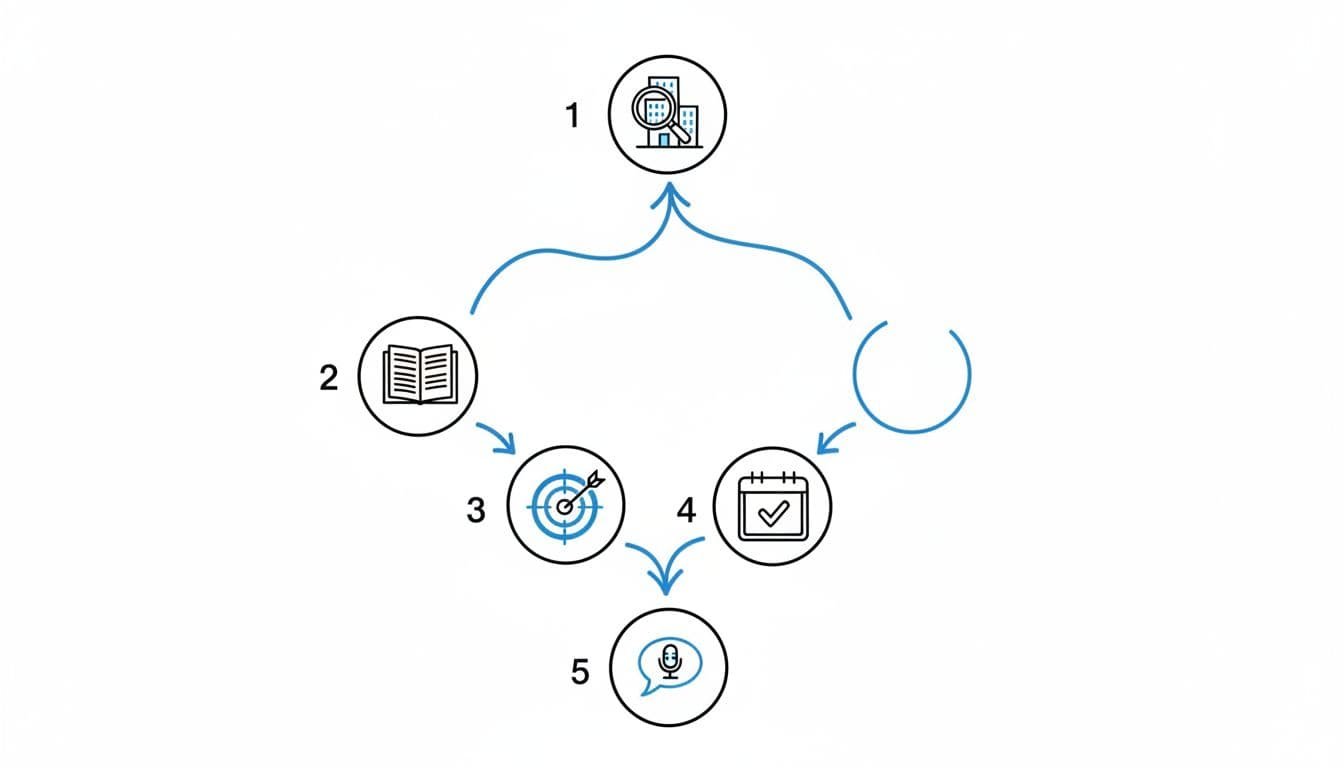
A simple five-step framework works well for job interview questions to ask interviewer.
First, research the company beyond its careers page. Look for product shifts, hiring patterns, and leadership priorities.
Next, review the job description and mark what sounds urgent. Then match those needs to your own goals. If you want growth, ask about skill building or professional development. If flexibility matters, ask about team norms, not vague policy.
After that, tailor your questions to the job interview stage. Save salary range, benefits, and onboarding process details for the right moment unless the recruiter raises them first.
Finally, practice saying your questions out loud, including those on the interview process. Good interview tips aren’t only about what you ask. Delivery matters too. One clear sentence beats a long setup every time.
Also, avoid questions that signal you didn’t prepare. Don’t ask what the company does. Don’t lead with vacation time. And don’t ask five questions in a row like you’re reading cue cards. Instead, probe company values, work environment, company culture, or the hiring manager’s leadership style and management style.
That old final prompt is still a test, but it’s also your best filter. The strongest questions show how you think and whether the job fits your standards. Ask your potential boss about biggest challenges, success in this role, performance review, future growth, or career path.
Ask about work, not theater. Ask about proof, not promises. In 2026, the right question can do something rare in a job search; it can impress the interviewer, clarify next steps in the hiring process, and outline next steps to protect you from the wrong role at the same time.