
A strong interview can fade fast if your follow-up feels flat. In 2026, a sharp interview thank-you email still helps you stand out, especially during the long, multi-round hiring process.
Most candidates plan to send one. Fewer send a thank-you note that feels personal, timely, and easy to read. A good template fixes that without making you sound robotic. This step is crucial for anyone in a job search to help set the stage.
Start with timing, because even a great message loses force if it lands too late.
When to send your thank-you email in 2026
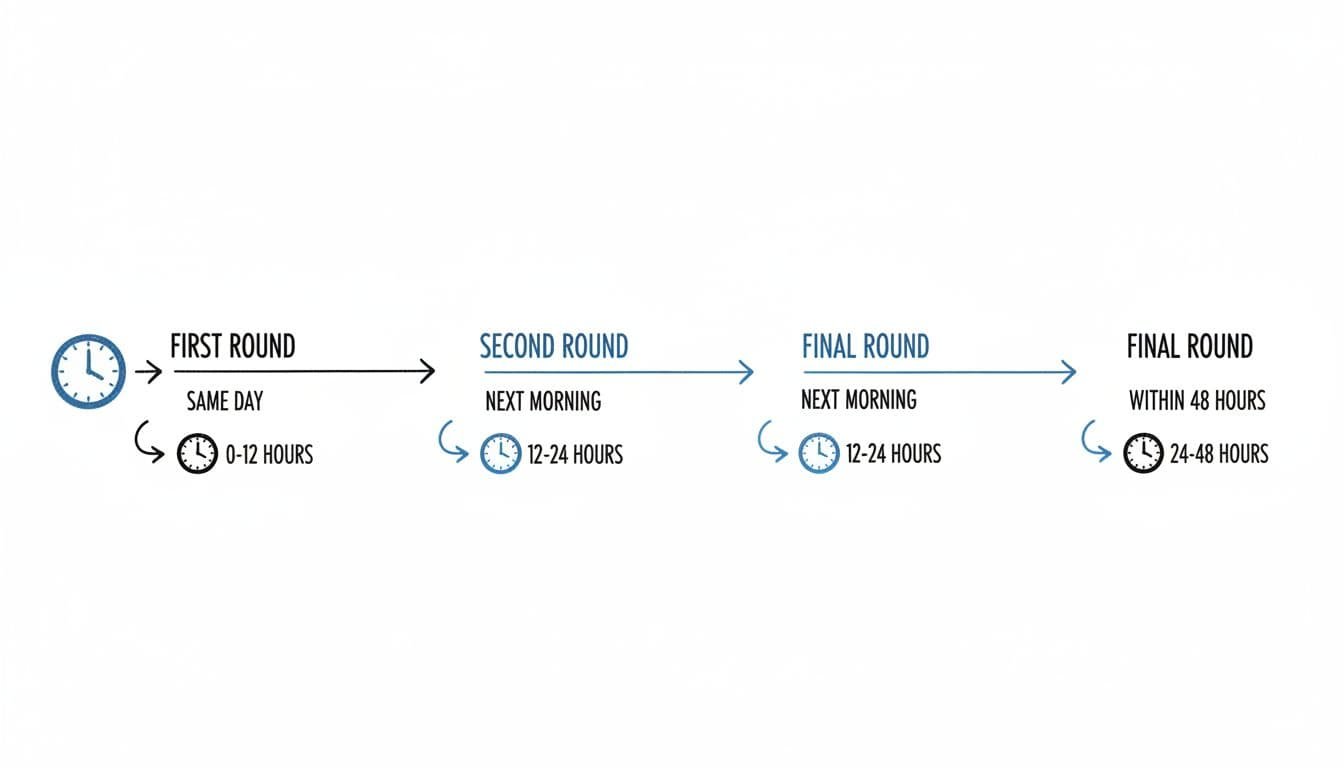
Current hiring advice still points to one rule, send your note within 24 hours. For virtual interviews, faster is often better because the meeting was shorter and details fade sooner. Recent guidance from 24 Seven also treats email as the standard post-interview follow-up, even when most of the process happens on video.
Send one after every round to the recruiter and hiring manager specifically. That includes recruiter screens, panel interview, and the final meeting with leadership. Think of it like a handshake after the handshake. Small, yes, but it finishes the interaction well. To ensure you can send a thank you promptly, ask for an email address or a business card during the meeting.
This quick table helps you pick the right window.
| Interview round | Best send time | What to mention |
|---|---|---|
| Recruiter screen | Same day, or next morning | Interest in the role and one shared priority |
| Hiring manager round | Within 24 hours | A skill or result that fits the team’s needs |
| Panel or virtual round | Within a few hours if possible | A detail from each speaker or a shared topic |
| Final round | Same day, or within 24 hours | Growing interest, team fit, and next-step readiness |
Send one email per interviewer when possible. A copied note to everyone feels like a mass mailing.
What to include so it sounds personal, not canned
A good interview thank-you email is short, but it should still do real work. Its primary goal is to show appreciation to the interviewer, demonstrate that you listened, and connect your experience to what they need.
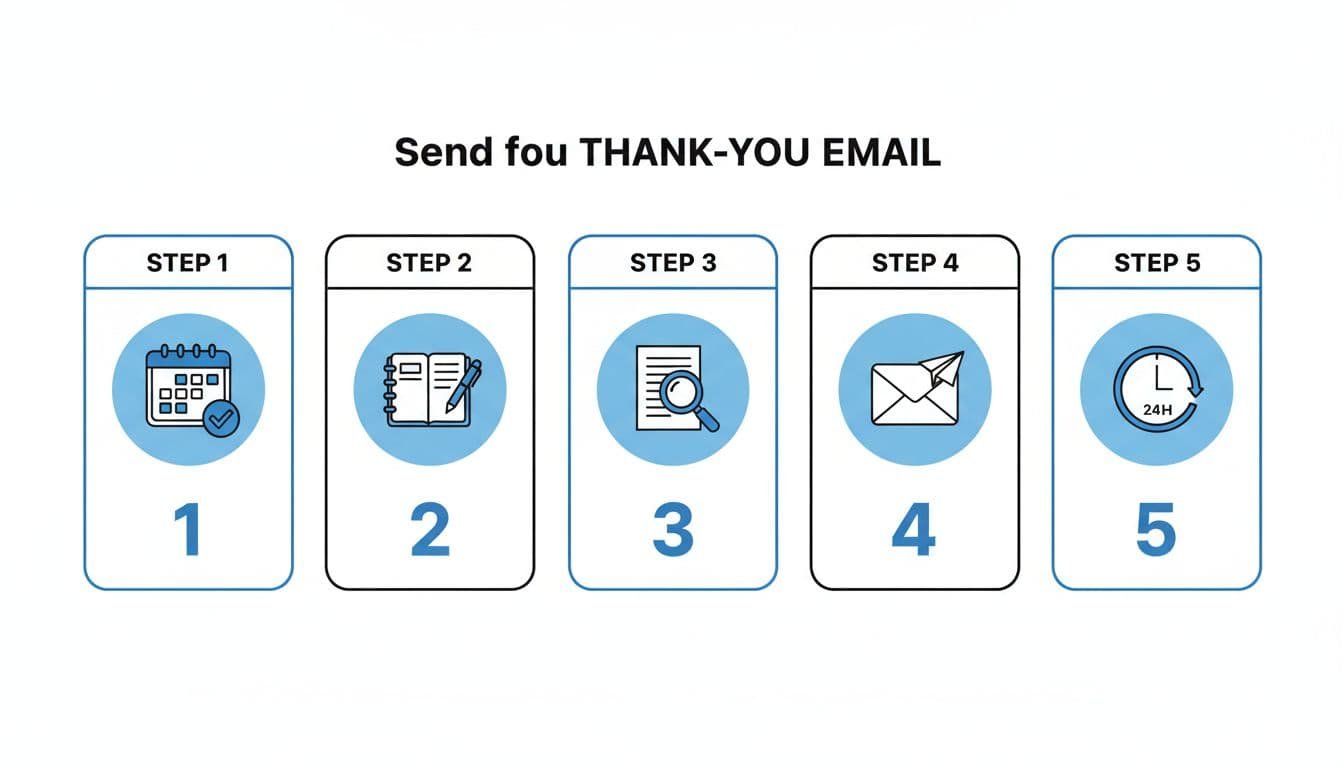
Keep it to four or five parts:
- Use a clear subject line with your name and the role.
- Thank them for their time.
- Include specific details from the conversation.
- Tie those specific details back to your fit for the job.
- Close warmly and reiterate interest and discuss next steps.
Sending such a note demonstrates attention to detail. Clear subject lines still win. Something like “Thank You, Maya Chen, Product Designer Interview” beats a vague “Thanks.” Short and direct gets opened.
If you blank after a long interview day, CareerScribeAI’s Interview Prep Tools can help you capture fresh notes right away, creating personalized notes. Its AI Resume Builder and Cover Letter Generator can also help you keep your follow-up aligned with the story you already told in your application. That matters, because mixed messages create doubt.
Talaera’s thank-you email examples show the same pattern, brief, personal, and tied to a real point from the conversation. That’s the sweet spot.
Interview thank-you email templates for every round
Use these as a base, then swap in the real details from your interview.
After a recruiter screen or first interview
This note should confirm interest and restate your fit in simple terms. This format also works well for an internship application. End with a professional sign-off.
Subject: Thank You, [Your Name], [Job Title] Interview
Hi [Name],
Thank you for speaking with me today about the [Job Title] role at [Company]. I enjoyed learning more about the team’s goals, especially [detail]. Our conversation reinforced how my background in [skill or result] could help with [need]. I’d be glad to provide any additional information.
Best,
[Your Name]
After a panel, group interview, or virtual interview
Here, show that you were present and paying attention. Reference specific points from the discussion that came up on screen or from a team member. End with a professional sign-off.
Subject: Thank You for Today’s Conversation
Hello [Name],
Thank you for the panel interview today. I appreciated hearing how the team is approaching [project or challenge], and I liked the discussion around [specific point]. The conversation made me even more excited about the role, because my experience with [tool, project, or outcome] lines up well with what your team needs. Please pass along my thanks to the rest of the group.
Best regards,
[Your Name]
After a final stage interview
The final stage note should sound confident, not desperate. At this stage, you’re reminding them why you fit the role and the team, proving your value to the team. End with a professional sign-off.
Subject: Thank You After the Final Interview
Hi [Name],
Thank you for the opportunity to meet with you for the final stage of the [Job Title] process. After speaking with the team across these conversations, I’m even more interested in the chance to contribute to [goal or project]. I was glad to discuss [specific topic], and I can see how my experience in [area] would help the team move quickly. Please let me know if I can provide anything else.
Warmly,
[Your Name]
If you want more tone options, Mac’s List shares a few strong template examples that work well as a starting point.
Mistakes that weaken your post-interview follow-up
The biggest mistake is sending a note that could go to anyone. “Thanks for your time” alone doesn’t help much. It shows manners, but not memory.
Length also matters. A thank-you email is not a second interview. Keep it tight. Don’t attach extra files unless they asked for them. Also, don’t push for a decision in the note. That creates pressure when you want to leave a calm, professional impression.
Finally, proofread like the role depends on it, because sometimes it does. The quality of your follow-up note reflects your communication skills. A typo in the company name can undo a good interview fast.
A good follow-up doesn’t need to be clever. It needs to be clear, personal, and on time.
Send it within a day. Mention one real detail. Then step back and let the note do its job.
To send a thank you effectively, include specific details gathered during the conversation. Before your next interview ends, write down three things you heard. That one habit makes every thank-you email easier to send, and much harder to ignore.