

To withdraw a job application professionally, a candidate should contact their talent acquisition contact promptly, state the decision clearly, and thank them for their time. A concise written message usually works best because it creates a written record without requiring a long explanation.
You can’t guarantee future opportunities, but a prompt, respectful withdrawal can help you avoid burning bridges and preserve the relationship. Your timing and approach should reflect how far you’ve progressed in the hiring process.
Key Takeaways
- Withdraw as soon as your decision is firm, especially before another interview.
- Email works for most situations; add a phone call when you have an established relationship.
- Give a brief, honest explanation without sharing private details or criticizing individuals.
Decide When It’s Time to Withdraw
According to career coach Kristine Knutter, quoted by Welcome to the Jungle, accepting another job offer is the most common reason candidates withdraw. However, a candidate doesn’t need another offer to decide a position isn’t right.
A 2021 ERE report on candidate withdrawals identified disrespect for candidates’ time, particularly during interviews, as a leading reason. Other concerns included lengthy hiring processes, disappointing salary or benefits, poor culture fit, and conflicting career goals.
If salary is the only reason for hesitating, consider discussing your expectations before withdrawing. Once you’ve decided, notify the employer rather than attending interviews out of obligation.
You don’t owe a detailed justification. A truthful sentence about your career direction is enough. Keep sensitive health or family details, and other personal circumstances, private.
Choose Email, Phone, or the Existing Message Thread
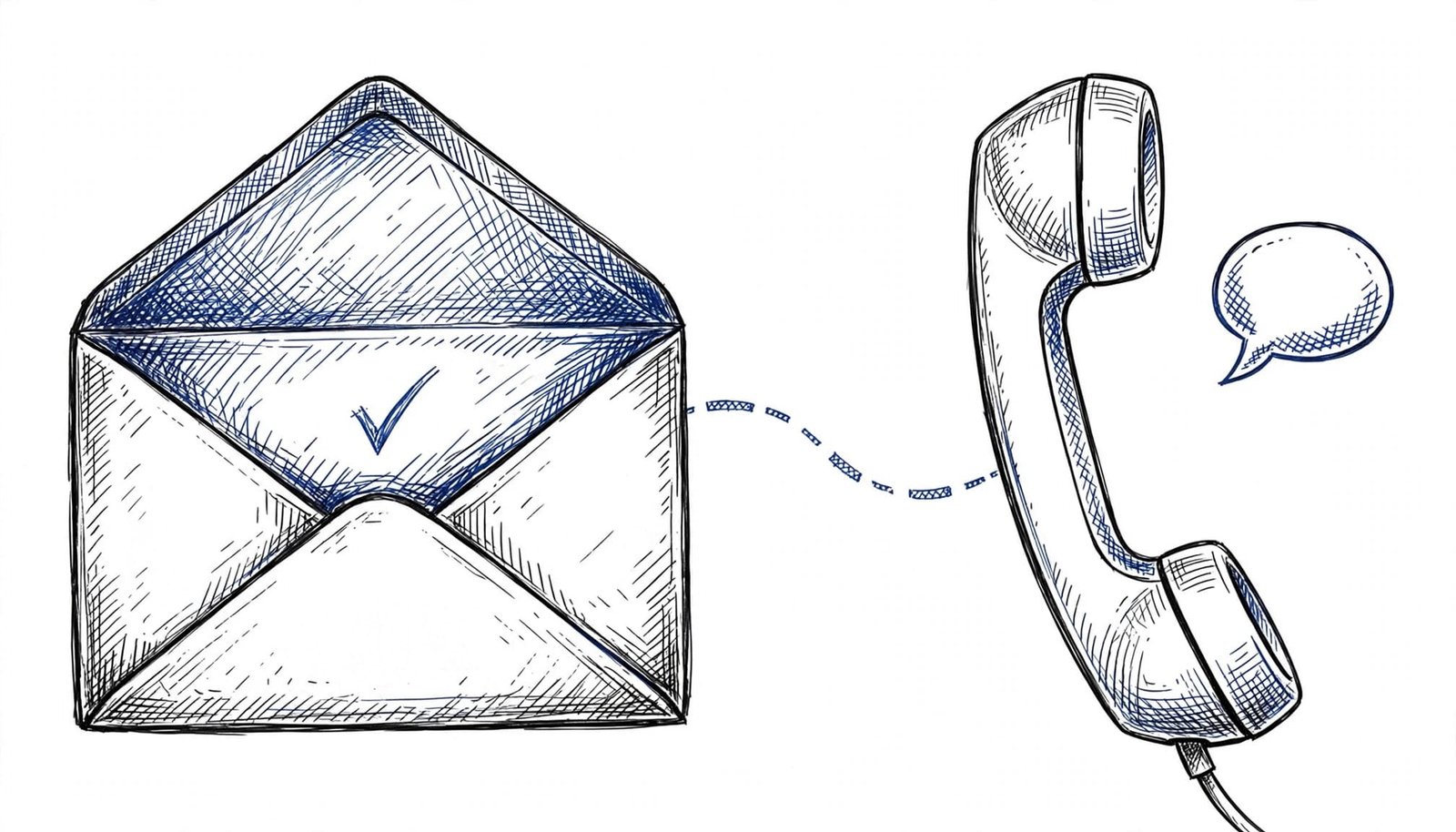
Email is the strongest default because it gives both parties a record. Reply to the existing application thread so the employer can identify your application.
A brief phone call is preferable when you’ve developed personal rapport or need to withdraw close to an interview. Follow the conversation with an email confirming your decision. If nobody answers, send the email promptly.
If communication has happened entirely through LinkedIn or a recruiter platform, a concise message there is reasonable. Avoid an unexpected text unless texting is already an established channel.
For federal government hiring, contact the HR representative who communicated the selection decision rather than relying on the hiring manager. HR handles the post-selection process.
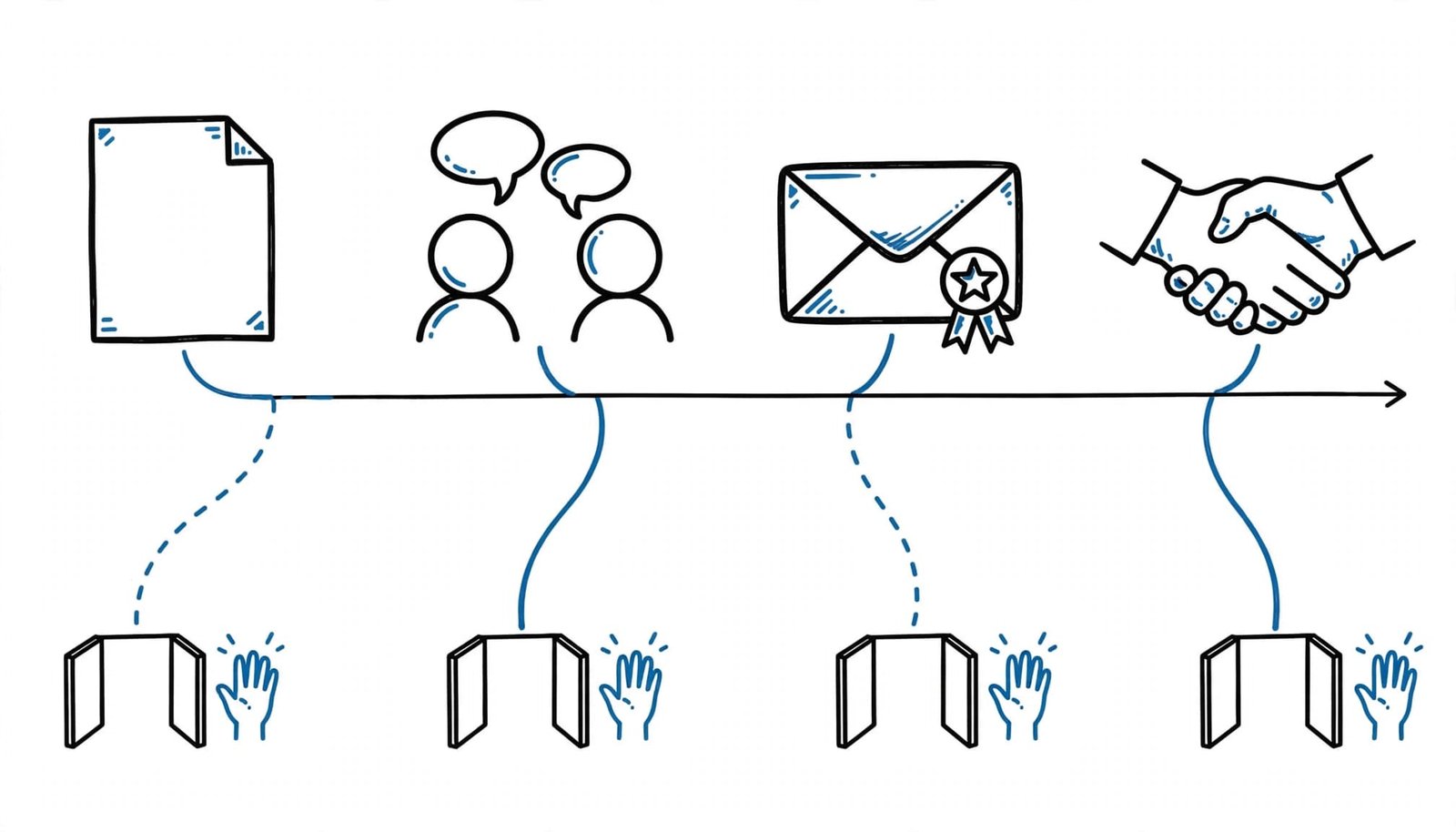
How to Withdraw a Job Application Around Interviews
Before an interview
Withdrawing before an interview is acceptable. Notify the employer as soon as you’re certain, and explicitly cancel any scheduled meeting. Declining a calendar invitation alone can leave your intentions unclear.
Use a straightforward subject line, such as “Application withdrawal,” and identify the position in your message.
Use this sample email: “Thank you for considering my application for the position. I am withdrawing my application at this time and won’t attend our scheduled interview. I appreciate your time and consideration.”
If no interview is scheduled, remove the sentence about attendance. You don’t need to apologize for making a considered career decision.
After you’ve interviewed
Thank the people who spent time with you. After learning more about the role, you can decide to end your candidacy. If you’re comfortable, add one honest sentence explaining your decision, then close without inviting a negotiation you don’t want.
You can write: “Thank you for discussing the position with me. After learning more about the responsibilities, I’ve decided to withdraw from consideration because the role doesn’t match my career direction. I appreciated meeting the team and hope we can stay in touch.”
Avoid listing every concern. Save detailed feedback for a separate conversation if the recruiter requests it.
Handle Offers With Extra Care
When you haven’t accepted
Decline the offer directly rather than describing yourself as undecided. Include appreciation for the offer and the team’s time.
A concise message works: “Thank you for offering me the position. After careful consideration, I’ve decided to decline because I’ve accepted another opportunity that better fits my goals. I appreciate your confidence in me and the time everyone invested.”
Use the sentence about another opportunity only when it’s true. As Indeed’s withdrawal guidance recommends, communicate promptly and honestly. You don’t need to name the other employer or disclose its compensation package.
When you’ve already accepted
Withdrawing an acceptance is more delicate because the employer has begun planning around your arrival. Reversing your decision can damage the relationship, even before a contract is signed.
Call your main contact when possible, then confirm in writing:
Thank you again for the opportunity. I need to withdraw my acceptance of the position. My circumstances have changed, and I won’t be joining the team. I understand this disrupts your plans, and I’m sorry for the inconvenience. Thank you for the time and confidence you’ve invested.
Use a truthful explanation rather than copying language that doesn’t fit. If you’ve signed a contract, seek advice from an employment lawyer about your obligations.
Keep the Relationship Open After Withdrawing
Ghosting leaves the hiring team uncertain and can harm your professional reputation. Instead, respond promptly to reasonable follow-up messages, acknowledge their understanding, and avoid turning the exchange into a debate.
Offer feedback when it’s welcome and useful. Describe observable issues, such as repeated scheduling changes, rather than attacking someone’s professionalism. If you genuinely want future contact, mention the kinds of roles that would interest you.
Also record the withdrawal date and contact in your application tracker so you don’t accidentally send another follow-up.
For your next search, our AI Resume Builder and Cover Letter Generator can help tailor applications to roles you want. Our Interview Prep Tools can also help you prepare questions about responsibilities, working arrangements, and expectations before you invest in another process.
Frequently Asked Questions
Can I apply to the same company again?
Yes, withdrawing doesn’t automatically prevent another application. However, the employer decides how to assess your history. When you return, explain why the new role fits better. Keep your explanation consistent with what you previously told the recruiter.
What if the recruiter doesn’t reply?
A clear withdrawal email doesn’t require permission or acknowledgment. Keep a copy of your message. If an interview is imminent and remains on the calendar, follow up through your established contact channel so nobody prepares for a meeting you won’t attend.
Leave With a Clear Decision and a Respectful Message
Preserving future opportunities starts with prompt, honest communication. Match your message to the hiring stage, acknowledge the employer’s time, and share only the explanation you’re comfortable giving.
You can’t control every reaction. You can leave the recruiter with a clear decision and a professional final impression.