


You get more from working with a recruiter when you treat the relationship as one part of your job search. Recruiters connect candidates with employers, but they don’t guarantee interviews or offers.
Your role as a job seeker is to make your strengths, preferences, and availability clear while keeping your own applications moving. Start by understanding who the recruiter works for.
Key Takeaways
- Recruiters are paid by employers and can connect you with openings, but they don’t guarantee interviews or offers.
- Choose recruiters with experience in your field, and clearly share your skills, work preferences, availability, and salary range.
- Give permission before a recruiter submits your resume, and keep a record of each submission to prevent duplicates.
- Agree on follow-up timing, respond promptly to changes, and keep applying and networking independently.
1. Understand How Working With a Recruiter Works
Employers pay the recruitment fee
A recruitment agency charges the hiring employer, never the job seeker. Randstad’s explanation of recruiter fees confirms this distinction.
Contingency agencies typically receive payment after a placement; retained executive search uses a different arrangement. Some agreements include refunds or credits if a hire leaves within roughly 90 days of placement. Therefore, they prioritize candidates who fit their client’s requirements.
Access doesn’t guarantee placement
Recruiters can introduce confidential openings in the hidden job market, including positions that never reach a job board. IQPartners estimates that about 70% of jobs aren’t advertised, although this isn’t a universal hiring benchmark.
Recruiters often approach existing contacts first. Being known to specialists in your field helps, but a recruiter without a suitable opening may have little immediate work for you. A client may also consider candidates already known to its hiring team.
2. Choose Recruiters Who Know Your Field
Start with two or three recruiters who regularly place people with your skills. Assess the agency’s history, identifiable clients, industry recognition, and relevant vacancies.
Then evaluate the individual:
- Ask how often they recruit for your role, industry, and seniority, and whether those roles fit your career goals.
- Find out whether they’ve spoken directly with the employer and introduce a candidate to clients.
- Ask the recruiter about relevant placements in your field. Review their recruiting experience and professional online presence.
A substantial first conversation should explore your achievements and may include specific resume feedback or interview suggestions. The Headhunters recommends a face-to-face discussion of about one hour, although formats vary.
Treat payment requests, guaranteed offers, pressure to accept, and submissions without permission as warning signs.
3. Prepare Your Resume, Preferences, and Salary Range
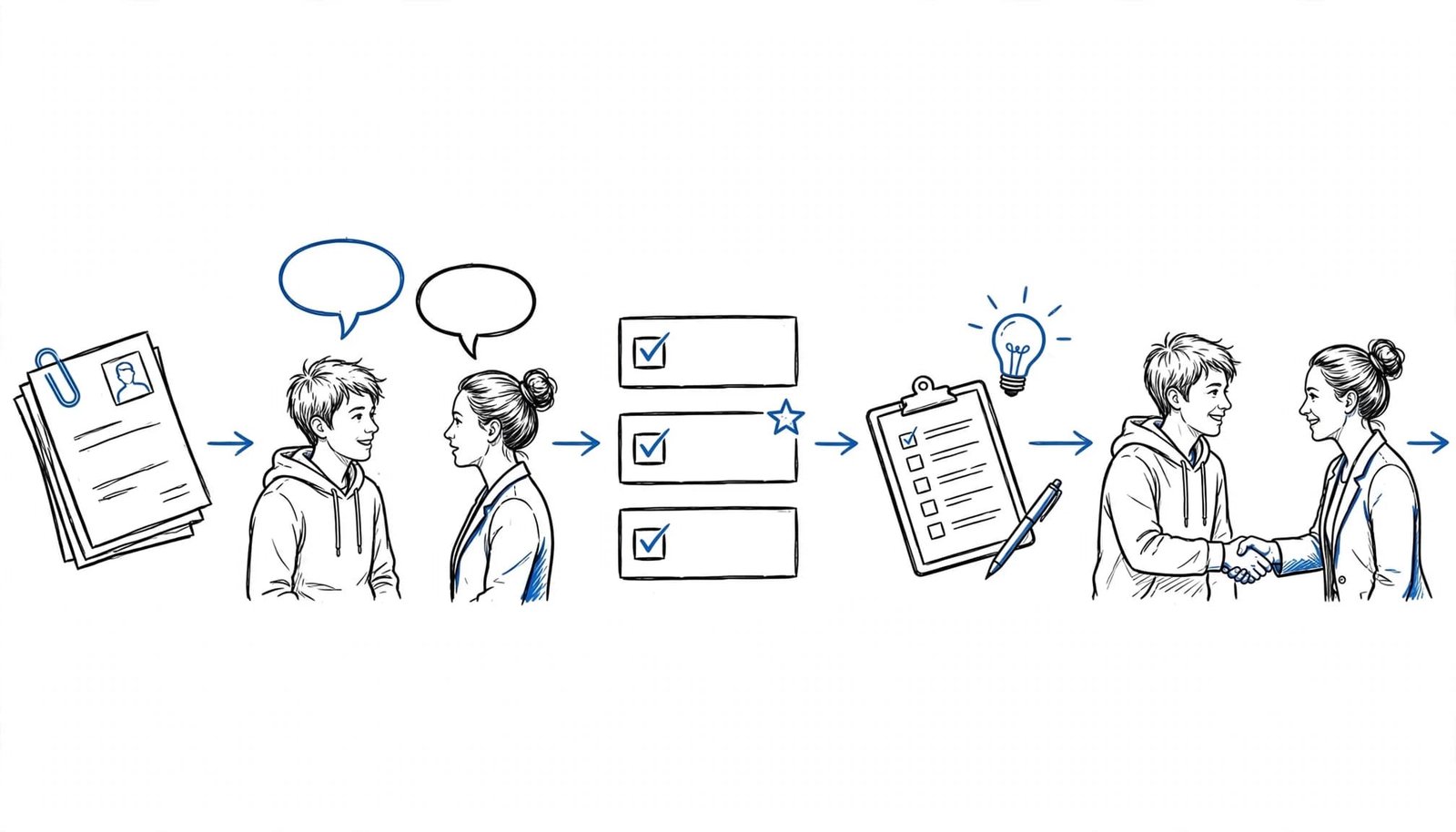
Bring evidence and clear boundaries
Prepare an updated resume, LinkedIn profile, target titles, measurable achievements, and availability. Explain whether you’re seeking permanent work or contract roles, and whether you prefer remote, hybrid, or on-site arrangements.
Robert Half’s 2026 Canadian research puts hybrid preference at nearly seven in ten job seekers. State your own requirements rather than assuming a recruiter’s definition matches yours.
Our AI Resume Builder helps tailor your experience to a posting. Our Cover Letter Generator can support applications that request a letter. Review every claim before sending.
Discuss compensation without underselling yourself
Set salary expectations with a location-specific benchmark, such as the 2026 Canada Salary Guide. Use it to prepare to negotiate salary.
For example, you could say:
“I’m targeting CAD $90,000 to $100,000 in base salary, depending on responsibilities, benefits, and flexibility. What’s the employer’s approved range?”
Be candid about your expectations. Share salary history only where lawful and comfortable; past pay doesn’t determine your current market value.
4. Control Submissions and Protect Confidentiality
Before anyone submits your resume, request the employer’s name, job title, location, compensation range, and job description. Give permission for that specific opportunity.
Maintain a single submission record containing the employer, role, recruiter, submission date, resume version, and next follow-up. Record direct applications too.
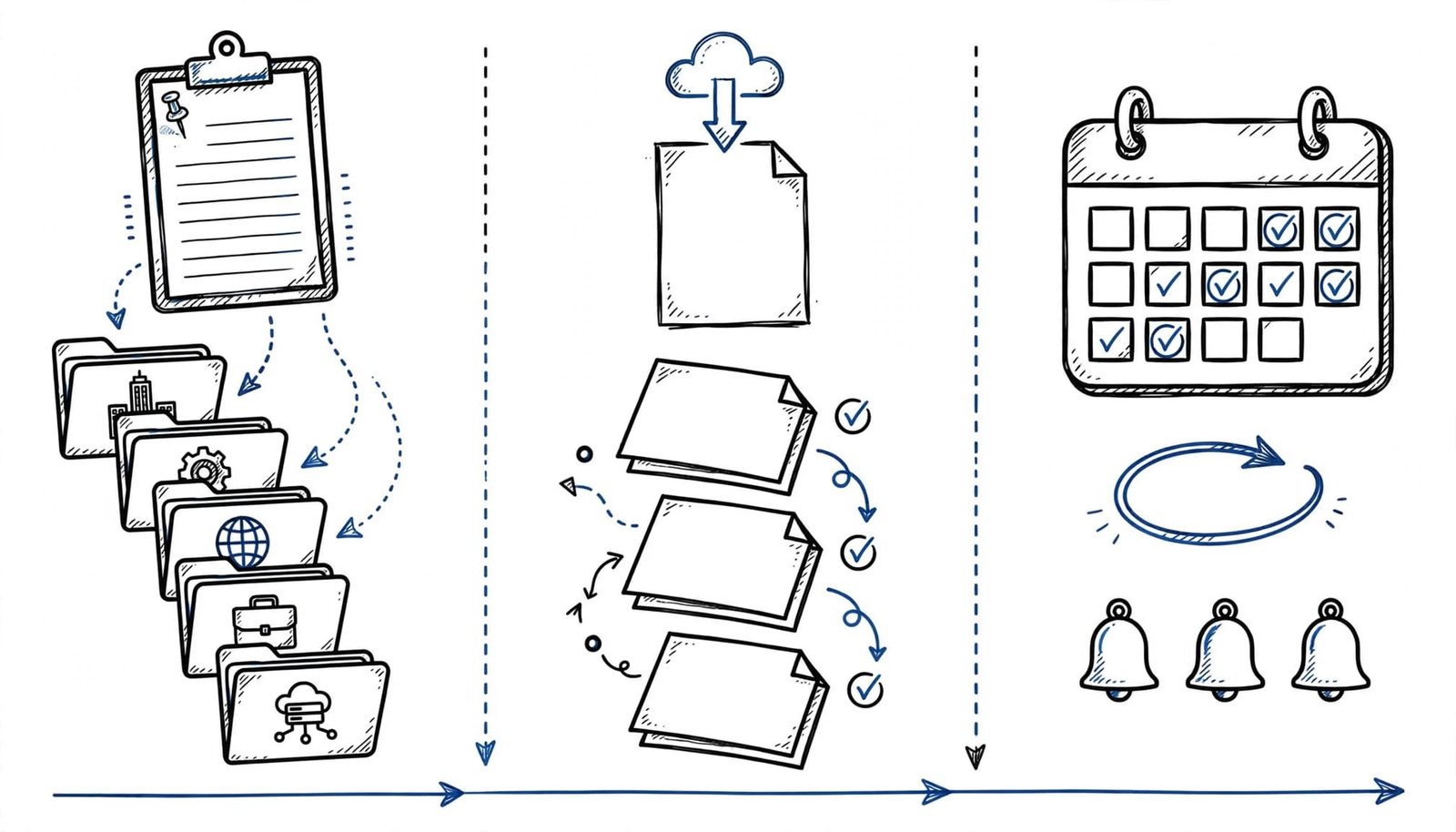
If another recruiter presents the same position, explain that you’re already represented. Duplicate submissions can create disputes and delay consideration.
When you’re employed, use personal contact details. State that your search is confidential and prohibit contact with your current employer or references without permission.
5. Agree on Follow-Up and Keep Searching
Ask when to expect an update. If the date passes, send one concise message:
“I’m following up on the role we discussed. Is the search still active, and is there anything else you need from me?”
If no timeline exists, follow up after about a week. After another unanswered message, continue your job search elsewhere rather than repeatedly chasing.
Tell your recruiter promptly about interviews, a job offer, deadlines, or changed availability. Before interviews, request information about the hiring manager and assessment format. Our job-search toolkit includes Interview Prep Tools for interview preparation, with practice for job-specific questions and STAR answers.
Meanwhile, keep a sustainable job search routine, such as two to three hours daily. Prioritize tailored applications and networking over repeated generic Easy Apply submissions.
Frequently Asked Questions
Can I work with more than one recruiter?
Yes. Each recruiter can cover different employers or specialties. Keep them informed about existing submissions, and avoid blanket permission to distribute your resume.
Do I have to accept a proposed job?
No. You don’t have to accept a job offer that misses your requirements. Clear feedback helps identify better matches, and you remain responsible for your decision.
Why hasn’t my recruiter called back?
The employer may have paused hiring, selected other candidates, or changed requirements. Silence doesn’t reveal which explanation applies. Follow up briefly, but don’t suspend your search while waiting.
Build a Useful Partnership Without Depending on It
Working with a recruiter works best when expectations are clear and you control submissions. Choose specialists, communicate honestly, and prepare for each opportunity.
Keep your independent search active through networking and your own preparation. A recruiter can open a door, but your judgment determines whether the opportunity suits you.