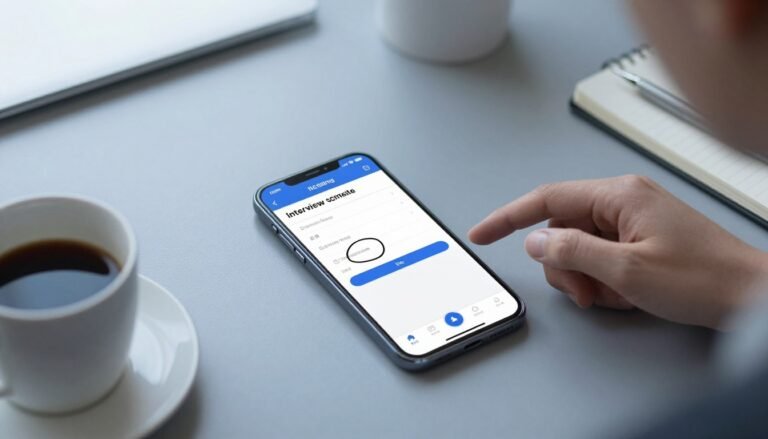


A one-way video interview can feel awkward because you are speaking to a screen rather than a person. Because this on-demand video interview is often the first step in the modern hiring process, the added pressure makes many job seekers sound much stiffer than they do in live, face-to-face conversations.
The good news is that sounding natural is not about charisma. It is about simple preparation, short answer structure, and a calm delivery that still sounds like you. Start by understanding the format first, then build answers that are easy to say out loud.
Key Takeaways
- Prepare for Mechanics: Before recording, test your equipment and read the platform’s rules regarding retakes and time limits to avoid unnecessary technical stress.
- Use Notes, Not Scripts: To sound natural, create brief bulleted outlines rather than full scripts, which helps prevent reading and maintains a conversational tone.
- Follow a Simple Structure: Keep your answers concise by stating your main point, providing a single concrete example, and finishing with a clear result.
- Prioritize Eye Contact and Pacing: Look directly at the camera lens, pause briefly before answering, and avoid staring at your own image to stay focused and engaging.
Prepare for the format, not just the questions
In 2026, many employers still use an asynchronous interview as an early screening process, especially for remote, hybrid, and high-volume roles. That means your first impression with a recruiter may happen before you ever meet them live. If you are new to the format, Indeed’s guide to asynchronous video interviews gives a useful overview of common limits, retakes, and prompt timing.
Most candidates prepare the content but ignore the mechanics. That creates avoidable stress. A strong round of video interview preparation starts with a short routine:
- Read the software platform rules twice, because some allow retries on pre-recorded questions and others do not.
- Match three work examples to the job description before you practice.
- Test your external webcam, sound, lighting, and internet connection in the exact spot you will use to avoid technical difficulties.
- Rehearse out loud with a timer during a practice round, because spoken answers always run longer than silent ones, especially when you have a strict time limit.
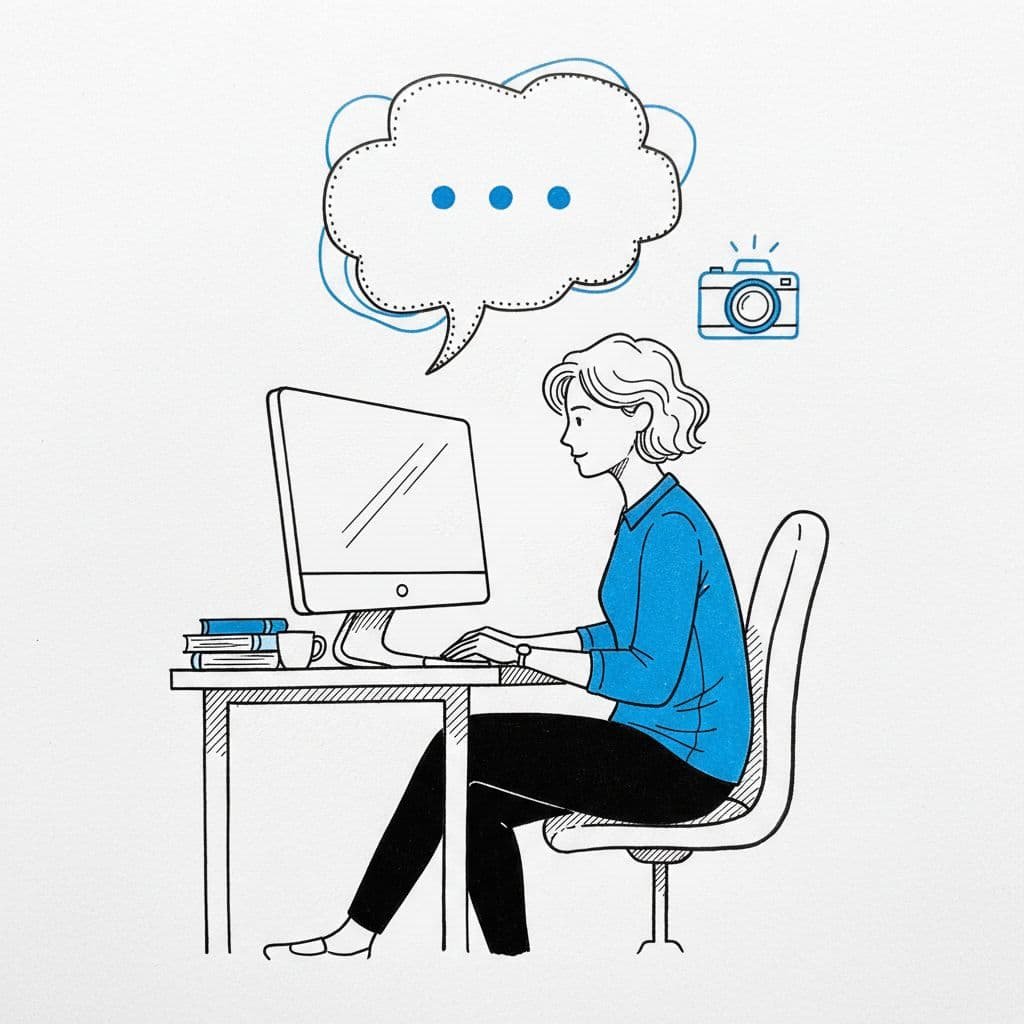
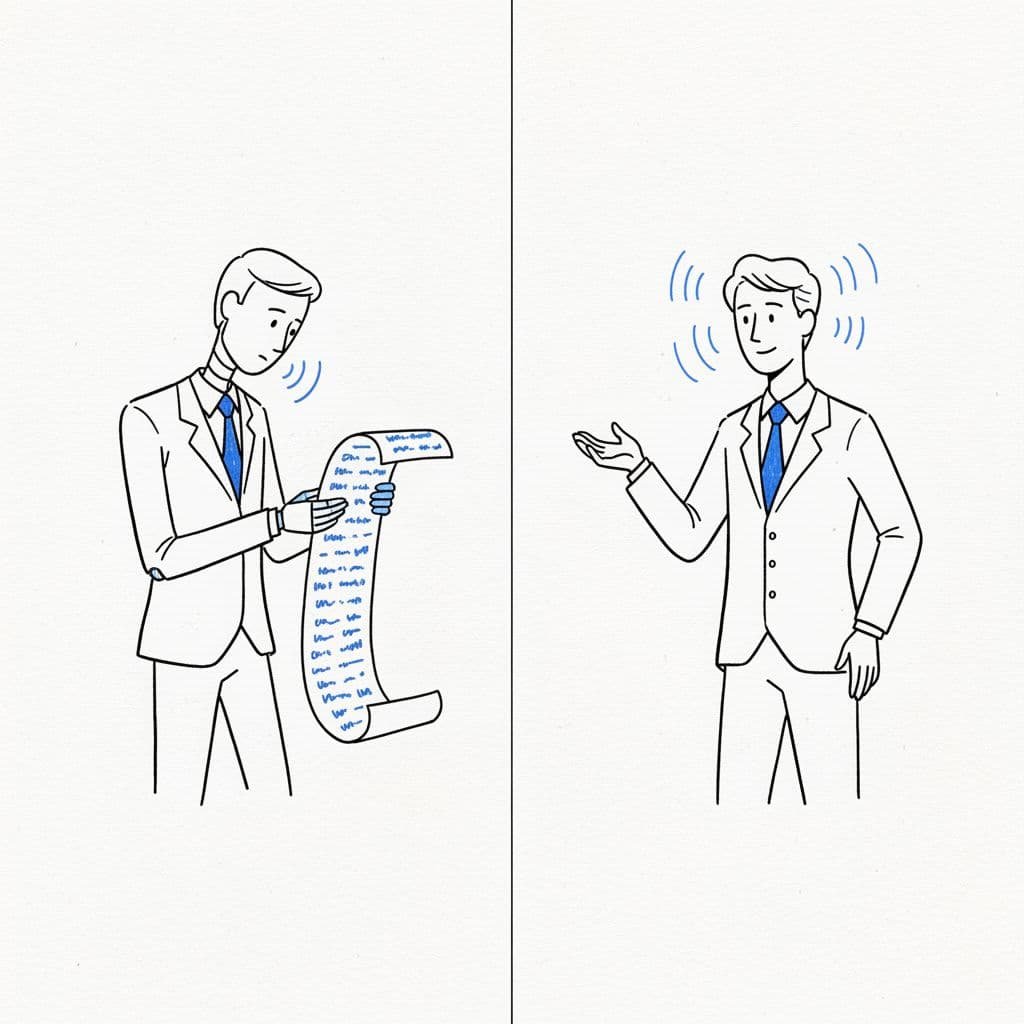
Keep notes brief. Full scripts make your eyes drift and your voice flatten out. Bullet points work better because they give you direction without forcing exact wording.
This is also where your broader job search materials help. If your resume says you improved retention, reduced errors, or sped up delivery, those wins should show up in your interview stories too. CareerScribeAI’s AI Resume Builder and Interview Prep Tools can help line up those proof points before you record. If you want a related practice drill, these phone interview preparation strategies sharpen the same habit: short answers, clear evidence, and tight wording.
How to sound natural in a video interview
Natural delivery has less to do with charm than people think. It comes from speaking in your normal voice, looking near the camera lens, and leaving a small pause before you start. That pause matters because it stops the rushed first sentence that often throws off the rest of the answer.
Memorized answers sound smooth in practice and stiff on camera.
Use a loose structure, not a script. Write two or three talking points for each likely question, then speak from those notes. The real goal behind most virtual interview tips is simple: keep your thoughts organized enough that your personality still comes through.
This quick comparison helps:
| Goal | Do | Avoid |
|---|---|---|
| Start strong | Pause for one beat, then begin | Jump in while still thinking |
| Sound human | Use bullet points | Read full sentences |
| Hold attention | Vary tone a little | Speak in one flat rhythm |
| Stay concise | Stop after the result | Keep talking to fill time |
The pattern is clear. Clear structure makes you sound more relaxed, and relaxed delivery makes you sound more credible.
A few physical habits help too. Sit upright in a professional environment, keep your shoulders open, and wear business professional attire to feel the part. Using natural body language, such as letting your hands move if that feels comfortable, helps you appear more engaging. A small, real smile warms your tone, and maintaining consistent eye contact with the camera lens keeps the recruiter focused on you. Meanwhile, staring at your own face on the screen usually makes you self-conscious, so shrink that window or move it close to the camera. Always check for background noise before you begin, as your setup and eye line shape how confident you appear.
If you are working on how to sound natural in a video interview, record one practice answer on your phone. Watch it once for pacing, once for eye contact, and once for filler words. You can then re-record answers to fix only one thing at a time.
Answer one-way interview questions with proof, not speeches
Most one-way interview questions fall into familiar groups. You will usually see a version of “tell me about yourself,” a behavioral prompt, and a motivation question about the role or company.
A simple spoken framework keeps these answers tight:
- Start with your main point.
- Add one example.
- End with the result.
For behavioral questions, the STAR method still works well to keep your responses structured. Spend less time on the setup and more time on the specific actions you took and the outcomes you achieved. In a recorded interview, long scene-setting often sounds like stalling.
A strong answer to “Tell us about a time you solved a problem” might run 60 to 90 seconds. You name the issue, explain your action, and finish with the result. Then stop. Silence at the end feels better than a trailing extra sentence.
Your examples should also match the job posting. If the hiring manager emphasizes specific communication skills or a unique company culture, choose stories that highlight those requirements directly. Your work experience should act as proof of your capabilities rather than a rehearsed speech. CareerScribeAI’s Cover Letter Generator and Interview Prep Tools can help you spot those themes in the posting and turn them into answer outlines. The same logic applies to tips for narrating your resume during an interview, because the best career story also follows a clean past, present, and future shape.
One last tip matters more in 2026 than it did a few years ago. Because the modern hiring process involves reviewing many pre-recorded questions in a row, teams prioritize clarity and specific evidence over generic scripts. When you use practice questions to refine your approach, you learn to treat every interview prompt as an opportunity to provide concrete evidence. If you sound grounded, concise, and easy to follow, you are already ahead of many candidates who focus on overacting rather than providing genuine value.
Frequently Asked Questions
Should I look at the camera or at the recruiter’s video on my screen?
You should look directly at the camera lens as much as possible. Staring at the screen can make your eyes appear to drift, whereas looking at the lens creates the effect of direct eye contact with the person reviewing your recording.
How long should my answers be in a one-way interview?
Most answers should last between 60 and 90 seconds. Focus on being concise by providing a specific example and a result, then stop talking rather than adding extra filler sentences.
Is it okay to use a script during the recording?
It is best to avoid reading from a full script because it often leads to a flat, robotic delivery and unnatural eye movement. Instead, use short bullet points that prompt your memory, allowing you to speak in your normal, conversational voice.
What should I do if I mess up an answer?
First, check the platform’s rules to see if retakes are allowed before you start. If you are permitted to re-record, take a moment to breathe, fix your pacing or eye contact, and then try again focusing on only one improvement at a time.
Conclusion
Mastering these one-way video interview tips helps you break through the digital wall and treat the camera like a real conversation partner. The strongest answers consistently come from using short notes, solid examples, and a steady pace to keep your thoughts clear.
The goal is to protect your natural voice with better structure throughout the hiring process. When your stories are prepared and your delivery remains calm, you stop performing and start sounding like someone the team needs to meet for a live chat. By focusing on these techniques, you will stand out during any on-demand video interview.