

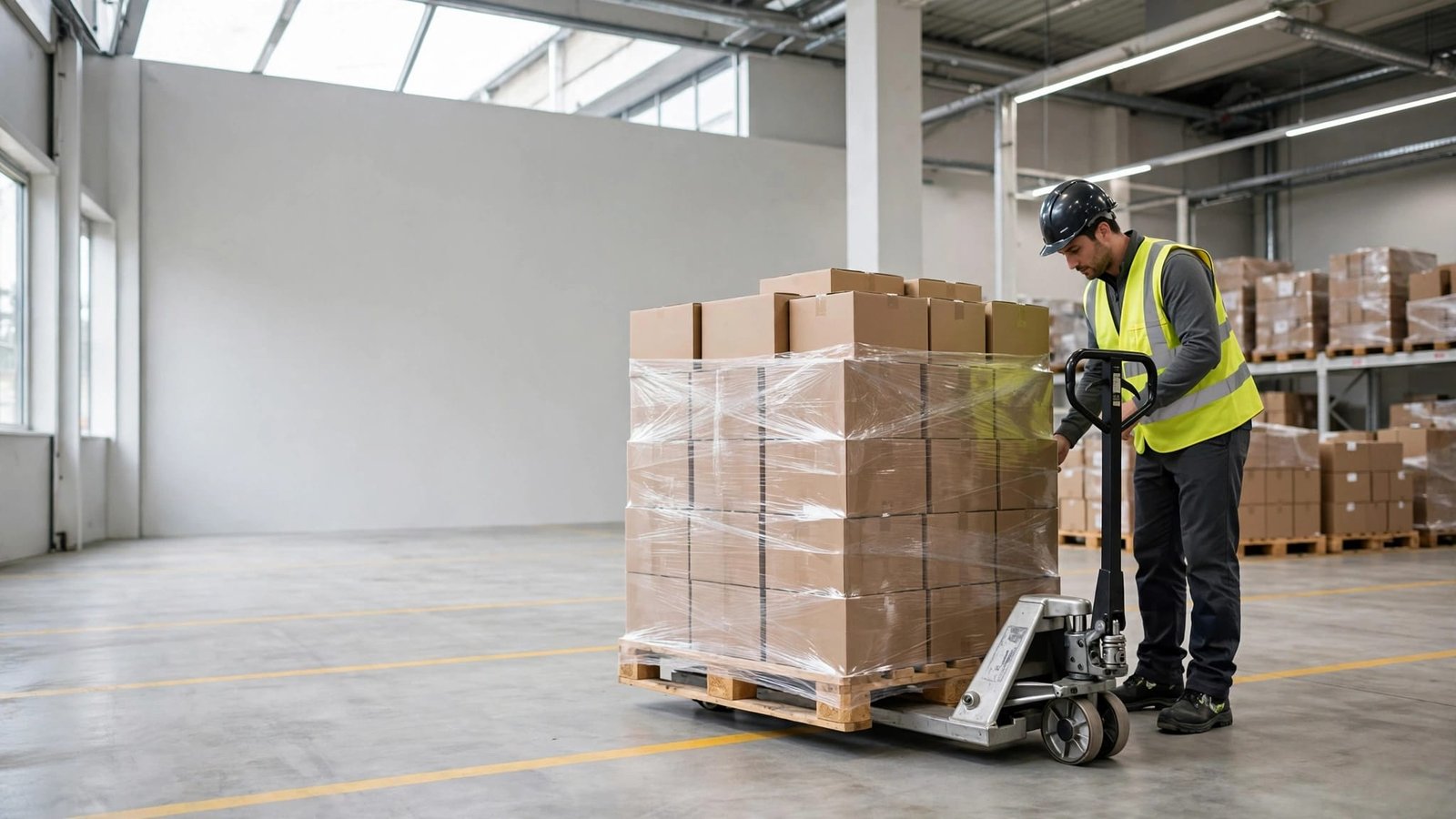
A hiring manager needs to see how you move work forward without putting people, equipment, or stock at risk. Your warehouse resume should connect everyday duties with evidence of accurate, dependable performance.
Listing “hard worker” or “safety-conscious” doesn’t give an employer much to assess. Start with the job posting, then connect your work experience with evidence that you can meet its requirements.
Key Takeaways
- Tailor your warehouse resume to the job posting, and include only duties, equipment, systems, and training that match your experience.
- Turn daily responsibilities into clear evidence by describing the task, method, and verified result; use accurate measures when you can support them with records.
- Show safe work practices through specific examples such as equipment checks, hazard reporting, load checks, and keeping aisles clear.
- Keep the resume easy to scan with standard sections, a simple layout, and concise bullets that explain your individual contribution.
- Check every claim, date, equipment name, and number before applying, and make sure you can explain each bullet with a real example.
Build a Warehouse Resume Around the Job Posting
Warehouse roles vary by function and employer. A receiving role at a manufacturing company needs different emphasis than an order picking or stock control job. Tailor your content accordingly.
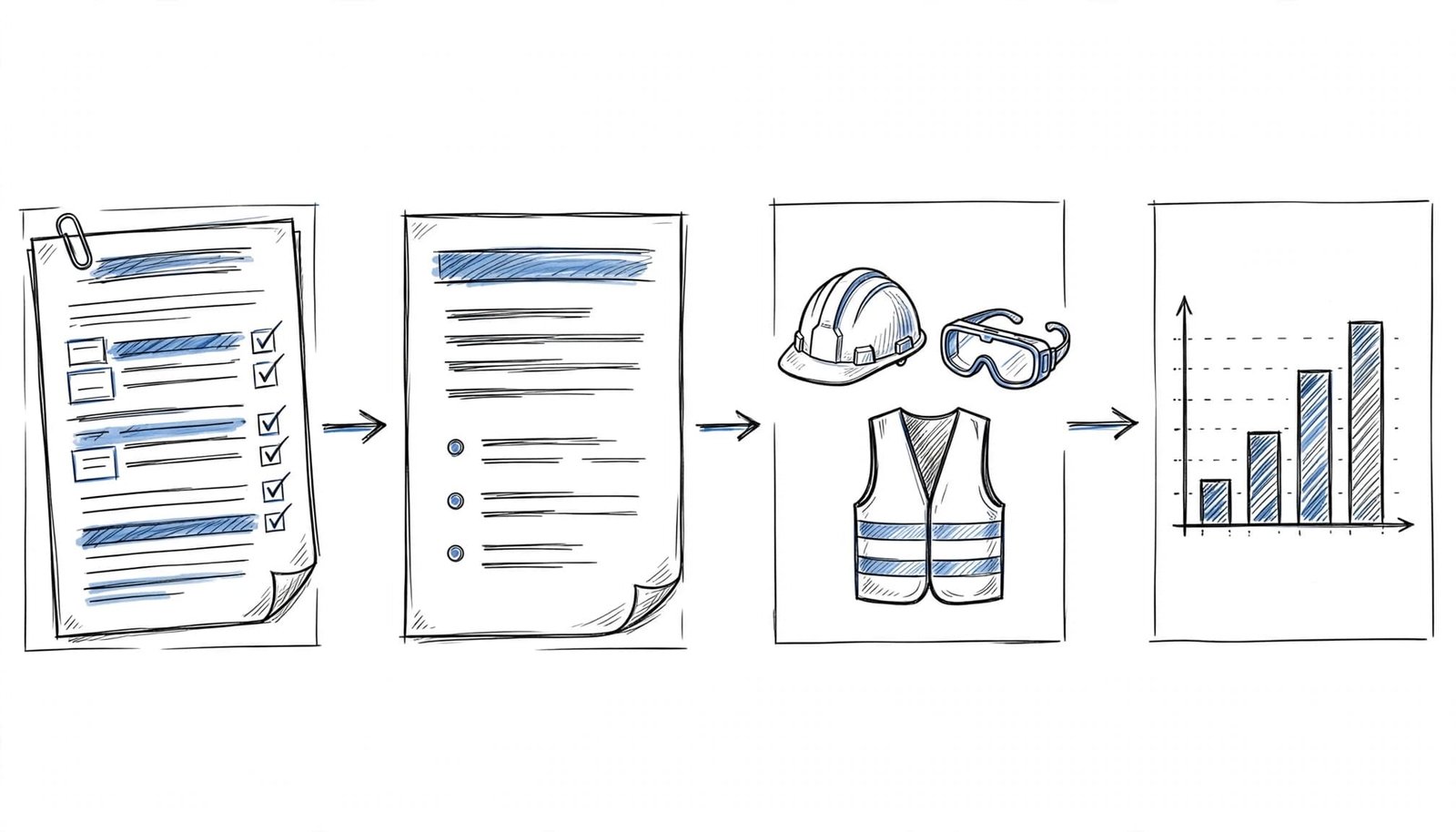
Match requirements to experience you have
Read the posting for duties, equipment, systems, and shift requirements. Then identify where your work history supports them. Include terms such as order picking, container unloading, cycle counting, or forklift operation only when they describe your experience.
Name the computer software and hardware you’ve used. RF barcode scanners, warehouse management systems (WMS), and Microsoft Excel are more informative than “computer skills.” However, don’t add unfamiliar systems because an employer mentions them.
Make the structure easy to scan
Use clear sections: contact information, professional summary, work experience, skills, and education or training. List jobs in reverse chronological order, with employer names, titles, and dates.
Keep your summary brief. State your relevant experience, strongest operational skills, and documented strengths rather than writing a broad career objective.
Choose a simple, single-column layout with standard headings. CareerScribeAI’s AI Resume Builder can organize a new resume or import an existing one. Review every imported field before submitting.
Turn Warehouse Duties Into Productivity Evidence
Your work experience should show what you handled and how well you handled it. The O*NET stocker and order-filler profile includes receiving, counting stock, recording inventory data, and unloading merchandise.
Use measures you can support
Start each bullet with a precise verb, such as picked, verified, replenished, inspected, or reconciled. Then describe the task, method, and verified result.
Use records you’re authorized to access to support any performance targets or results you cite:
| Measure | Possible evidence | Detail to include |
|---|---|---|
| Picking output | Scanner or shift reports | Units or order lines per hour |
| Picking accuracy | Quality reports | Error rate and reporting period |
| Stock control | Cycle-count records | Discrepancies identified or resolved |
Choose the measure that reflects your contribution. Orders, units, and order lines aren’t interchangeable, so preserve the terminology in your records. Also state whether a result belongs to you or your team.
Describe scope when numbers aren’t available
You don’t need a percentage in every bullet. Explain the process you completed, equipment you operated, or responsibility you held. Checking item codes against pick lists gives clearer evidence of attention to detail than naming the trait alone.
For teamwork and problem solving, describe your action: reporting damaged stock, resolving location discrepancies, or coordinating replenishment with another shift. Include these details only when they happened.
Avoid estimating impressive figures from memory. If AI suggests a metric you can’t verify, remove it rather than presenting it as an achievement.
Show Safety Through Specific Work Practices
Warehouse workers need to show how they balance output with safe practices. Employers need to understand how you completed work reliably, including under time pressure.
Describe the safety standards you followed, such as pre-use equipment checks, pedestrian-route rules, load checks, hazard reporting, and keeping aisles clear. Mention relevant PPE or manual-handling training when it matches the role.
For forklift driving, identify the truck types you’ve operated and the training you’ve completed. Include the provider, employer, and date where documented. Don’t imply that experience with one truck automatically covers every other type.
In the United States, OSHA’s forklift training guidance explains that employer training programs must address safe operating principles and truck types. Describe your preparation precisely rather than claiming a vague “OSHA certification.”
A record without reported injuries doesn’t explain your safety practices. Equipment checks and hazard reporting show what you did to reduce risk.
Avoid presenting speed as your only achievement. Pair output with accuracy or relevant procedures whenever your records support that connection.
Translate Warehouse Experience for Retail Applications
Warehouse experience can strengthen a retail resume when you connect it to a store’s needs. Receiving deliveries, replenishing shelves, checking inventory, and identifying damaged goods are relevant to stockroom and sales-floor responsibilities in a retail job application.
Use retail-friendly wording without changing what you did. For example, explain how inventory checks supported accurate records or replenishment kept products available. However, don’t claim customer-service experience if your role didn’t involve customers.
For entry-level applicants, draw on relevant employment, volunteering, or training. Following procedures, handling equipment responsibly, and maintaining accurate records can support an application before you have warehouse experience. Keep transferable skills connected to actual tasks.
Check Your Draft Before Applying
Before submitting your job application, read your warehouse resume against the posting one final time. Check dates, equipment names, training details, and every number. Then follow the employer’s requested file format and confirm the exported document remains readable.
CareerScribeAI’s job-specific application tools can compare your draft with a posting and suggest edits. Treat its match score as an alignment check, not a hiring prediction. Accept only changes that accurately describe your experience.
Use the Cover Letter Generator to explain a relevant accomplishment or career transition. Then use the Interview Prep Tools to rehearse how you handled an inventory discrepancy or safety concern. Your interview answers should support the claims on your resume.
Frequently Asked Questions
What should I include on a warehouse resume?
Include contact information, a brief professional summary, work experience, relevant skills, and education or training. Tailor the details to the role, including relevant equipment, warehouse systems, and duties you’ve actually performed.
How can I show warehouse achievements without exact numbers?
Describe the process you completed, the equipment you used, or the responsibility you held. Specific examples, such as checking item codes against pick lists or resolving a location discrepancy, can show your contribution without an estimated metric.
Should I include productivity metrics on my warehouse resume?
Include metrics only when you can verify them with records you’re authorized to access. Use the same terms as your records and clarify whether the result reflects your work or your team’s.
How do I show safety experience on a warehouse resume?
Name the practices you followed, such as pre-use equipment checks, pedestrian-route rules, load checks, or hazard reporting. If you operated forklifts, identify the truck types and documented training rather than claiming a broad certification.
Can I apply for warehouse jobs without warehouse experience?
Yes. Relevant employment, volunteering, or training can demonstrate transferable skills such as following procedures, handling equipment responsibly, and maintaining accurate records. Connect each skill to a task you actually completed.
Make Every Claim Easy to Trust
A strong application connects your work to safe, accurate output. Concrete tasks and verified results give employers more to assess than broad claims about effort.
Before submitting, check that you can explain every bullet with a real example. Your resume should make your contribution clear without asking the reader to take unsupported claims on trust.