


A career break can make you wonder where to put the dates, how much to explain, and whether an employer will notice your earlier achievements. A strong resume for a returnship answers those concerns without making the break its main story.
Your goal is to show the experience you bring, the skills you’ve kept current, and your fit for a particular role. Start with the job posting, then decide how to present your history.
Choose the Right Returnship Resume Format
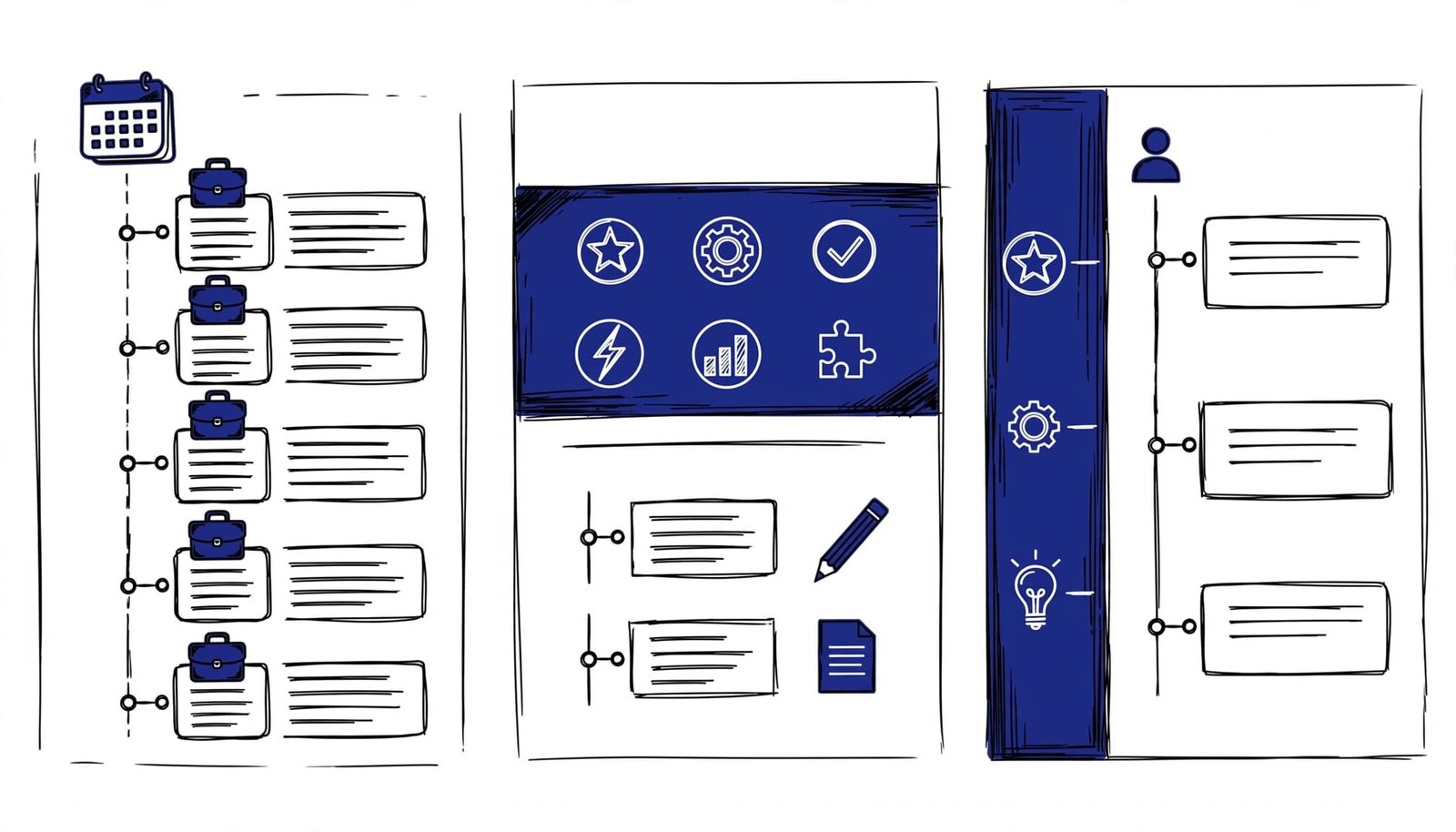
The best resume format makes your qualifications easy to find and your timeline easy to follow. Keep the layout simple, with consistent formatting and enough white space, as Penn Career Services recommends; use a simple resume template as your starting point.
Use chronological order when your past roles match
A chronological resume lists jobs in reverse date order. Choose it when your earlier work aligns closely with the returnship, even if you took several years away. Recruiters can quickly see where you gained the required experience.
Use a combination format when skills need more context
A combination resume places a short skills summary and relevant strengths above reverse-chronological work history. It works well for a career change resume or if you’ve recently refreshed technical skills. A purely functional resume groups work by skill but can make employers work harder to understand where and when you used each one.
Keep an older role in your work experience if it proves a requirement in the posting. Otherwise, give it less space than your strongest, most relevant work. Start relevant bullets with action verbs.
Address the Career Break Without Hiding It
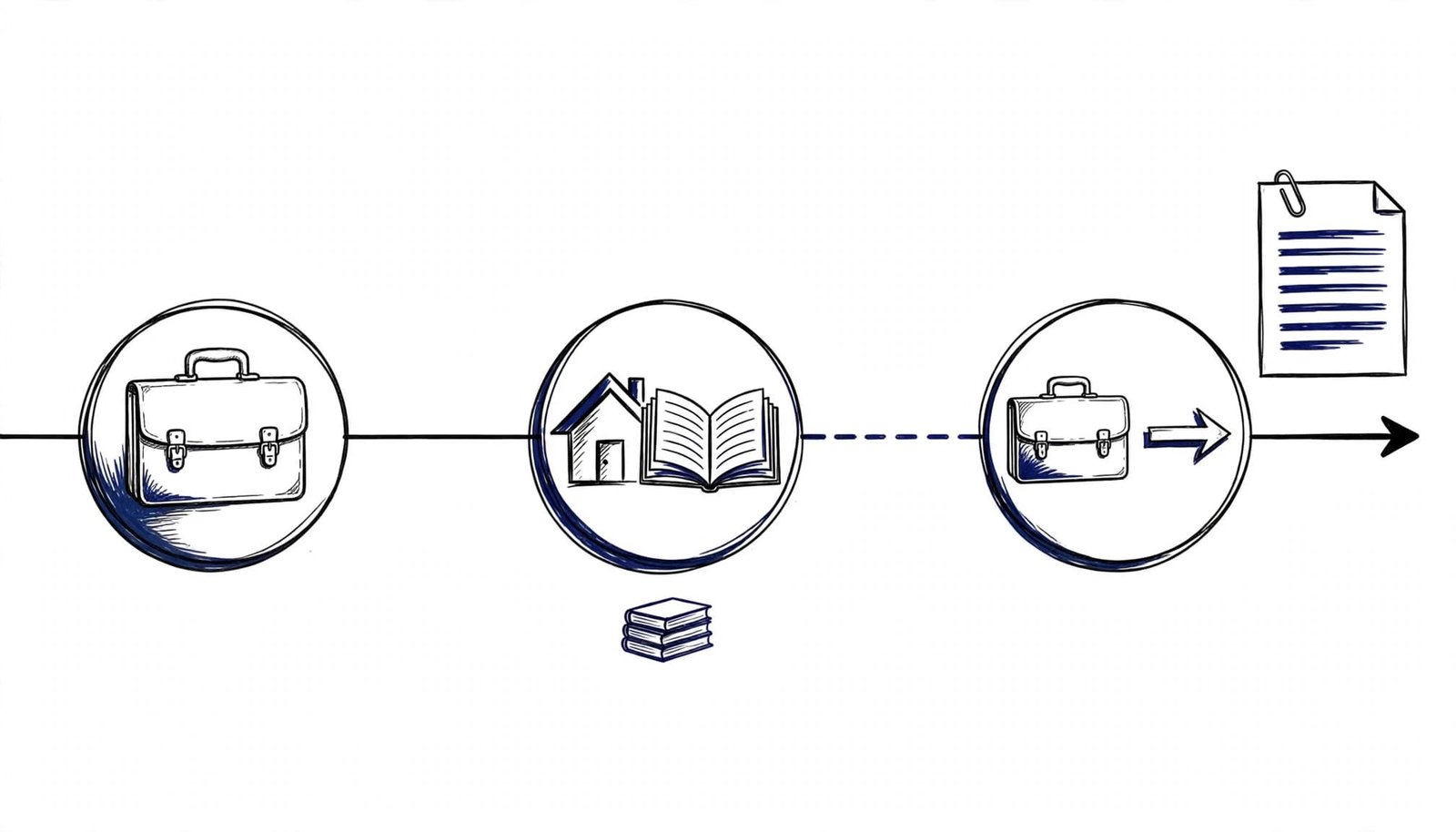
A visible gap doesn’t require an apology. Hiring teams need a clear timeline, especially when a career break affects eligibility rules tied to time away from work.
Add a brief entry when it clarifies the timeline
For a multi-year break, an entry such as Career Break | Family Caregiving, with accurate dates, may be enough. You can use years rather than months if you use that date style consistently. Don’t shift dates to make the gap appear shorter or present caregiving as paid employment.
Your cover letter can add a sentence about why you’re ready to return. The resume should spend more room on what qualifies you for the job.
Show relevant activity, but label it accurately
Include training, freelance projects, or certifications completed during the break when they support your application. Put an online certificate under Education or professional development, and label volunteer work accurately.
A course alone doesn’t establish workplace proficiency. If you used a skill in a project, name the project and explain what you produced.
Make Your Experience Relevant to the New Role
A strong resume does more than list duties. It connects previous results to the work you want to do next, even after a career break.
Lead with results you can defend
Use action verbs to write accomplishment statements that name what you produced, who used it, and its effect. Add a number when you can verify one, such as the size of a team or the time a process saved. If records aren’t available, describe the scope and outcome plainly. Never invent metrics to make an older role sound stronger.
Translate transferable skills into the posting’s language
Read the job description for recurring tasks. A move into project management, for example, may call for scheduling, stakeholder updates, and resolving delays. Show where you performed that work in your work experience, even if your previous title was different.
For a career transition, write a two- or three-sentence skills summary that names your background and target role. Include relevant soft skills, such as communication or coordination, with examples.
Tailor the Resume for People and Screening Software
Applicant tracking systems can extract information incorrectly when a file is difficult to parse. They don’t replace a hiring manager’s judgment during the hiring process, so readability matters on screen and in print.
Keep the file straightforward
Use standard headings such as Experience, Skills, and Education. Put contact details in the main document rather than a text box or header, and avoid graphics that carry essential information. Follow the employer’s file-type instructions.
Check the exported file before submitting it. Copy its text into a plain-text document to see whether dates, headings, and bullets appear in a sensible order. Greenhouse’s parsing guidance says its system cannot parse resumes larger than 2.5 MB, another reason to keep the file lean.
Match wording without copying blindly
If a posting asks for SQL, use “SQL” where you’ve genuinely applied it. Place relevant terms from the job description in your skills summary or achievement bullets, where they have context. Use action verbs to make those bullets clear and specific. Don’t paste a block of keywords or claim experience you gained only through a brief course.
Jobscan and Teal can help compare a resume with a posting. CareerScribeAI’s AI Resume Builder also shows proposed edits and a match score. Review every suggestion yourself: a higher score isn’t proof that an employer will select you.
Check the Program Before You Apply
Each return-to-work program differs in length, location, and eligibility. Path Forward explains that employers often seek at least five years of professional experience and a break of two years or more, though work experience requirements and definitions of an eligible career break vary. Read the current posting rather than assuming you qualify or don’t.
Tailor your resume to that program’s role, then use the cover letter to connect your career break explanation with the timeline on your resume. CareerScribeAI’s Cover Letter Generator can help draft that explanation; its Interview Prep Tools can help you rehearse a concise answer about the gap. Keep both answers consistent with your resume.
Key Takeaways
- Choose a format that shows both your skills and an honest work timeline.
- Give the career break a brief, accurate explanation, then return attention to relevant results.
- Check formatting and job-description match, but treat tool feedback as a review aid, not a hiring verdict.
Returnship Resume FAQs
Should I include an objective or references?
Use a targeted professional summary instead of a generic resume objective. It tells the reader what experience you offer now. Leave references off the resume, including “references available upon request”; employers can ask for them later.
Does a long career break make me ineligible?
Not automatically. Each returnship sets its own rules, and some specifically seek applicants with extended breaks. Check the stated experience and gap requirements before spending time tailoring an application.
Final Thoughts
Your career break is one part of your timeline, not the measure of your ability. As you re-enter the job market, a clear returnship resume makes that timeline understandable and puts your strongest evidence up front.
Start with one real posting. Then refine your summary and achievement bullets with specific action verbs so readers can see your fit without guessing.