


An answer to one open-ended question can change the tone of an entire interview. When a hiring manager asks, “what are you looking for in your next role,” they are listening for direction, judgment, and a credible reason this ideal role is right for you.
A strong response connects work you have already done with the contribution you want to make. It shows how your career goals align with the employer’s needs in your next position.
Professional development matters, but it should support a clear story about the contribution you are ready to make.
Key Takeaways
- Build your answer around three points: proven strengths, the work you want more of, and how those goals match the role.
- Connect your career goals to specific responsibilities, team priorities, or company values instead of repeating generic phrases.
- Adjust your emphasis for your career stage, whether you are a new graduate, changing fields, or discussing work authorization.
- Keep your response honest and focused on the contribution you want to make, not only salary, title, benefits, or frustrations with a former employer.
- Practice a 45- to 60-second answer and prepare examples that support the career story in your resume and cover letter.
Why a hiring manager asks about your next position
This interview question is a fit check, not an invitation to recite a wish list. A hiring manager wants to know whether the role can hold your interest and whether your expectations match the actual work.
They’re assessing your self-awareness. Candidates who can name the problems they solve well, the skills they want to build, and the work culture where they perform best usually sound more prepared than candidates who say they’re “open to anything.”
Your answer also helps the interviewer spot possible friction early. If you want to lead a team within a year but the job is an individual contributor role, both sides need to know. If you need stable hours and the team regularly supports global clients overnight, that matters too.
A thoughtful answer tells the employer:
- You understand the scope of the role and have read the job description.
- You have a realistic view of your long-term career, rather than chasing a title.
- You see a clear connection between your skill set and the team’s priorities.
- You can discuss ambitions without criticizing your current or former employer.
Career coach Kathy Caprino’s interview guidance also emphasizes connecting your past impact and leadership experience to the work you want next. Your response should make that connection easy to hear.
A hiring manager doesn’t need a promise that you’ll stay forever. They need a believable reason this role makes sense for the next meaningful stage of your career.
How to Answer What Are You Looking for in Your Next Role
Use a three-part answer: your proven strengths, your growth direction, and the match with this role. It gives a direct answer to the interview question while keeping your career goals connected to the employer’s needs.
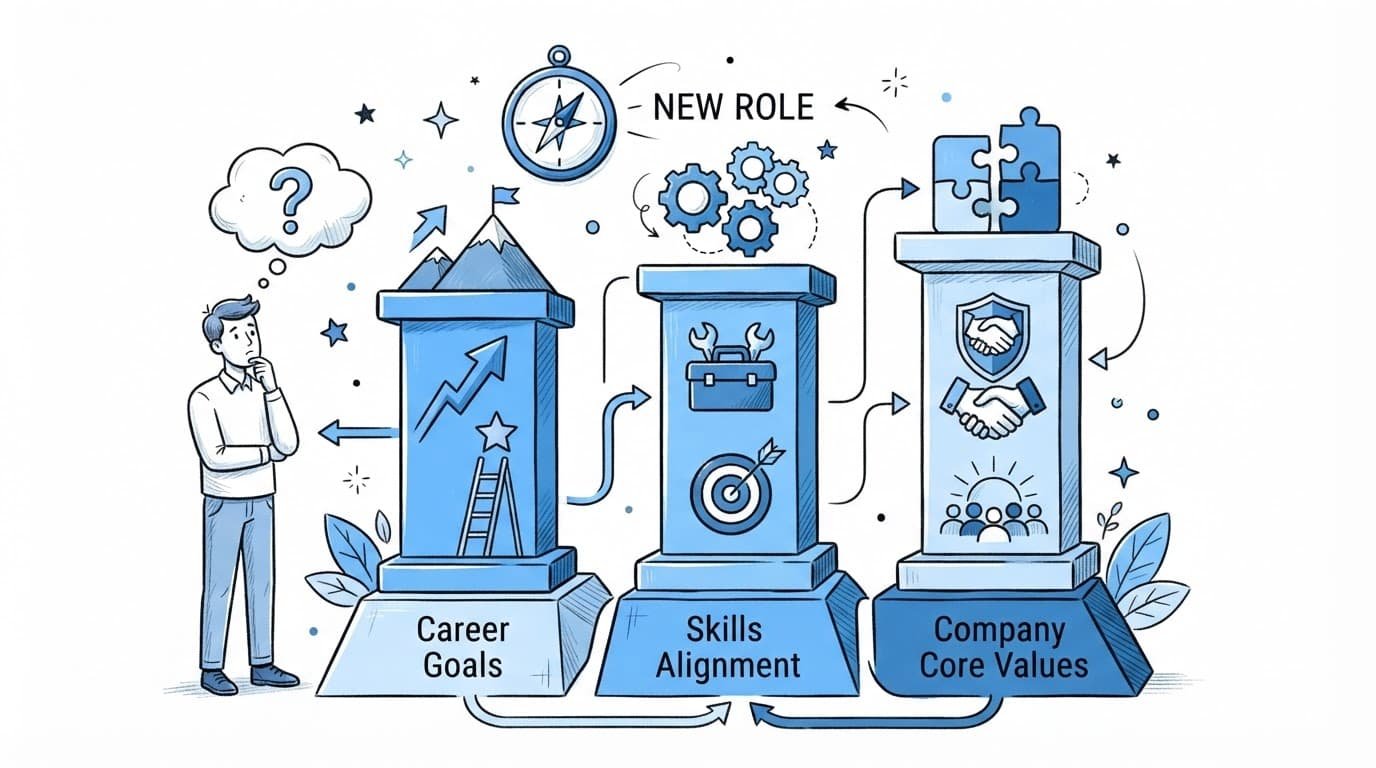
- Begin with work you do well. Name one or two abilities supported by your experience. A project manager might mention bringing structure to complex launches. A data analyst could discuss turning messy reporting into useful decisions.
- Describe the work you want more of. Choose a growth goal related to the opening. You may want greater ownership, exposure to a new customer segment, mentorship, technical depth, or leadership skills.
- Connect those goals to the employer. Refer to a responsibility, team objective, or value you found during your research. This part turns a generic answer into a response built for this job interview.
Here is a concise sample answer:
“I am looking for a role where I can use my experience improving cross-functional processes while taking more ownership of projects that affect customers directly. I was interested in this position because the team is expanding its onboarding program, and that is closely related to the work I have done with operations and customer success. I also want to keep developing as a project leader in a team that values clear communication and measurable results.”
The script works because it avoids empty claims. It identifies past experience, names a reasonable career goal, and ties both points to a business need.
Keep your first answer to about 45 to 60 seconds. Then pause. A good interviewer may ask what “more ownership” means to you or which part of the role interests you most. Those follow-up questions give you room to add evidence.
Connect Career Goals to Company Values and Work
Research should shape your wording, but it should never make you sound like you memorized an About page. Read the job description closely and review recent company updates. Compare the company’s core values with decisions you’ve made, then look for patterns in how it describes customers, products, and teams.
Totaljobs recommends researching culture, values, and career paths before preparing this answer. Go one step further by matching each point to something you have done or want to learn.
| What you find | How to use it in your answer |
|---|---|
| The role requires cross-functional work | Mention when you coordinated with team members across functions. |
| The company values customer trust | Explain how you improved accuracy, response time, or service quality. |
| The team is building a new function | Discuss your interest in creating processes and taking responsibility. |
Do not claim that a company’s core values are your personal values if you cannot support the statement. Instead, connect the value to a work choice you have made.
For example, if a company talks about ownership, say: “I am looking for a role where I can own a problem through implementation, not only provide recommendations.” That is clearer than saying, “Ownership is one of my values.”
Before you rehearse, compare your resume against the job description. CareerScribeAI’s getting started guide includes its AI Resume Builder and Interview Prep Tools, which can help you identify the experience most relevant to the employer’s priorities.
Adjust Your Answer for Your Career Stage
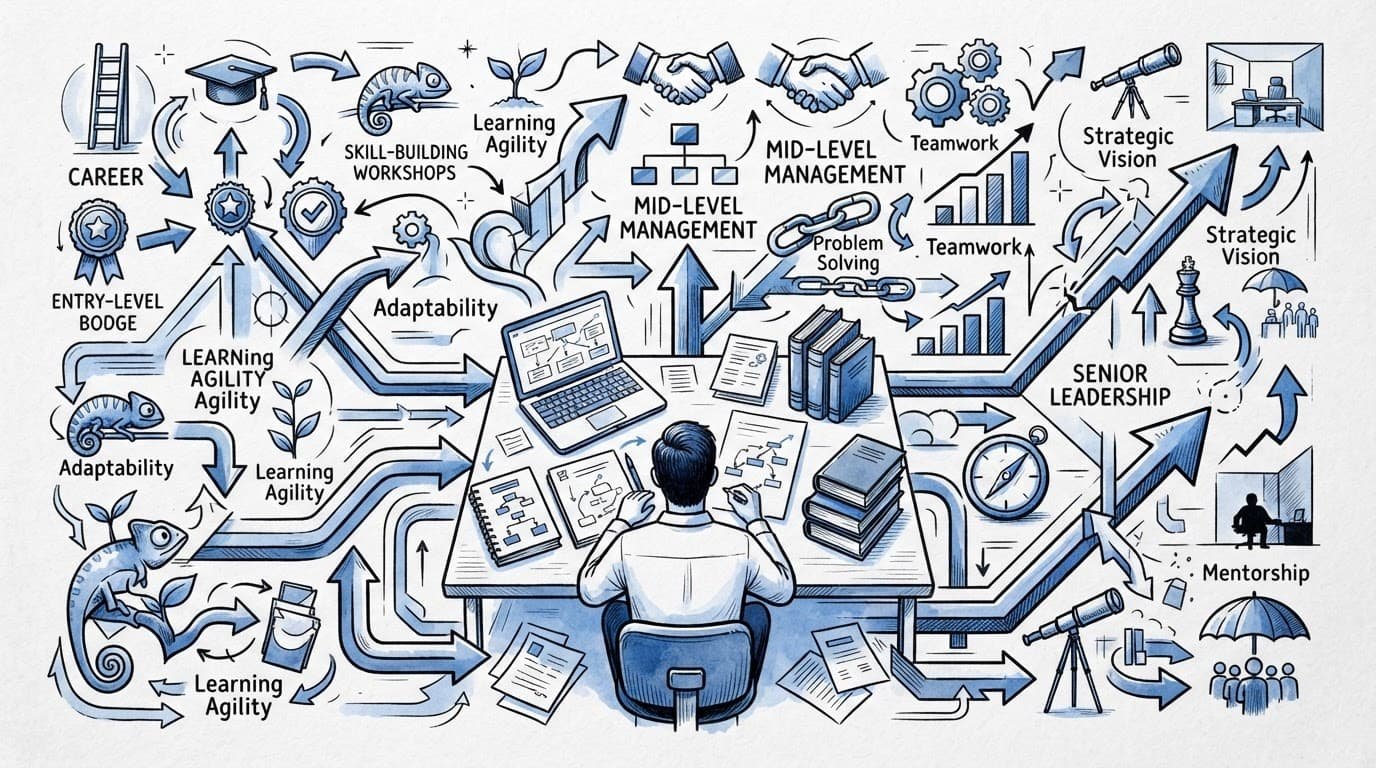
Your core structure stays the same, but the emphasis should shift with your career stage, career goals, and professional development priorities.
New graduate should focus on skills and contribution
You may not have years of full-time experience, but you can still be clear. Point to internships, academic projects, part-time jobs, volunteer work, or coursework that built relevant skills.
Try: “I am looking for a role where I can build strong fundamentals in customer research and contribute to a team that uses evidence to make product decisions. My research project and internship taught me how to organize feedback and present findings, and I would like to apply those skills in a full-time product role.”
Avoid saying you only want “experience.” Name the kind of experience you want and how you will contribute while learning.
Career pivot: link transferable skills to the new field
A career pivot needs a forward-looking explanation. Do not apologize for your previous field or over-explain why you are leaving it.
Say what carries over. A teacher moving into customer success can discuss client communication, structured training, and finding patterns in feedback. An operations professional moving into cybersecurity can highlight process discipline, documentation, risk awareness, and relevant training.
State the direction plainly: “I am looking for an entry point into cybersecurity where I can apply my operations background while building hands-on incident response skills.” Then connect your preparation to the role’s requirements.
Be direct about work authorization and commitment
An international student may face questions about stability or work authorization. If your work authorization depends on an F-1 visa, answer truthfully and avoid promises you cannot make. You can still show how the role supports your long-term career.
A practical response is: “I am looking for a role where I can build long-term expertise in financial analysis and contribute to a team with a strong development culture. I am authorized to work through [date], and I am prepared to discuss my sponsorship needs through the proper process.”
Keep legal details accurate. Then bring the conversation back to the value you can add.
Handle Follow-Up Questions About Salary, Title, and Culture
A hiring manager may test whether your expectations are flexible or fixed. You do not need to dodge the question, but do not let one condition replace your full answer.
If salary expectations come up, share a researched range when you are ready, but explain that pay matters alongside role scope, benefits, and growth opportunities. Do not lead with compensation unless the interviewer asks directly.
For title questions, describe the work you want to own and the career progression you seek through broader responsibility. Titles vary widely between companies, while responsibility is easier to compare.
When discussing work culture, avoid broad phrases such as “a fun environment.” Name observable conditions instead: clear priorities, respectful feedback, reliable collaboration, autonomy, or thoughtful management.
If the interviewer asks, “What would make you leave a role?”, stay future-focused. Explain what you are moving toward rather than revisiting past disappointments.
Common Mistakes That Weaken a Good Answer
Several answers may sound reasonable at first but create doubt during the interview process.
- Leading with pay, remote work, or vacation can make your answer sound transactional. Establish the professional fit first, then mention practical needs.
- Saying, “I will take anything,” suggests an unfocused job search. Even when applying broadly, bring a clear point of view to each conversation.
- Criticizing a former manager shifts attention toward conflict. Use neutral language, such as, “I am looking for more room to contribute to planning.”
- Asking for rapid promotion without discussing performance can seem unrealistic. Link advancement to work you want to master and results you plan to deliver.
- Repeating company slogans without personal evidence sounds rehearsed. Use that language only when it connects to your experience.
Practice aloud until the answer sounds like you. Then prepare two examples that support it. Your resume, cover letter, and interview response should tell the same career story.
Frequently Asked Questions
What is the best way to answer “What are you looking for in your next role?”
Use a three-part structure: explain what you do well, describe the work or skills you want to develop, and connect both points to the role. This shows direction while making your answer relevant to the employer’s needs.
How long should my answer be?
Aim for about 45 to 60 seconds, then pause for follow-up questions. This gives you enough time to provide context without turning your response into a long career history.
Should I mention salary, remote work, or benefits?
You can discuss practical priorities when the interviewer asks, but do not make them the foundation of your first answer. Establish the professional fit and the contribution you want to make before discussing compensation or other conditions.
How should I answer if I am changing careers?
Focus on transferable skills and explain the direction you want to take. Mention relevant preparation, such as training or projects, and show how your previous experience can help you contribute in the new field.
What should I avoid saying?
Avoid saying that you will take anything, criticizing a former employer, or making unsupported claims about company values. Keep the answer future-focused and connect your ambitions to work you are prepared to do.
A Clear Answer Builds Confidence
The strongest answer is honest, tailored, and grounded in work you can already do. It shows that you have chosen the opportunity with care and understand how you would contribute to the hiring manager’s team.
It also shows how the next position can support your long-term career and the positive impact you want to make. When you answer “what are you looking for in your next role,” focus on the work ahead, not the frustrations behind you. Clear direction makes your ambition easier to trust.