

A strong letter can put you on a hiring manager’s radar before a job appears online. Incorporating a letter of interest for a job into your broader job search gives you a professional reason to introduce yourself when an employer may not be actively hiring.
Unlike a mass application, this message needs a clear point of view. You must show that you understand the company, can solve a relevant problem, and have a credible reason to reach out.
Key Takeaways
- Send a letter of interest when you want to work for a company that does not have unadvertised positions currently listed.
- Address a real person whenever possible, and explain why their organization caught your attention.
- Match two or three of your skills and experience to the company work or likely needs.
- Keep the letter to three or four focused paragraphs and end with a simple request to connect.
- Align your letter of interest, resume, LinkedIn profile, and interview stories around the same evidence.
Know When a Letter of Interest Fits
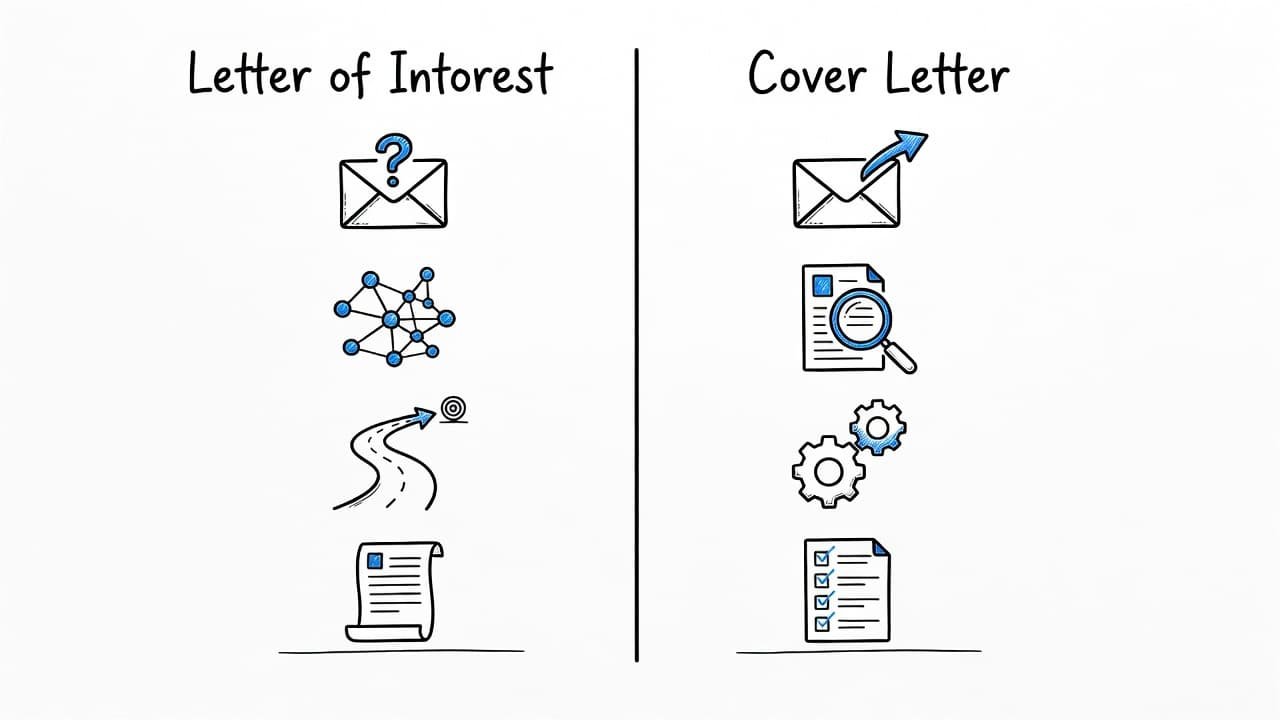
A letter of interest is an unsolicited application. You send it to an organization to tap into the hidden job market or to be considered for future, unadvertised opportunities. Often referred to as a prospecting letter, this approach works well when a company has a broad talent network but no specific role that matches your background today.
A standard cover letter responds to a specific job posting. It connects your experience to the duties and requirements listed by the hiring manager. A letter of interest has a wider focus, as you explain the type of work you want to do and why that potential employer is worth contacting.
Indeed’s comparison of letters of interest and cover letters outlines this distinction well. Use the right document for the situation, because a generic letter addressed to a nonexistent role often feels careless to a recruiter.
Send a letter of interest after you have done enough research to make the message personal. If you only want to say that you admire the company, wait until you have something more useful to add.
A letter of interest should make the reader picture where you could contribute, even if no vacancy exists yet.
Research the Company Before You Write
Start by exploring the employer’s website, recent news, product updates, leadership pages, and LinkedIn posts. Beyond standard updates, look for the company mission statement and clues about company culture to ensure your values align with theirs. Identify a specific business priority, new initiative, market expansion, or team function that connects directly with your professional background.
Next, identify the right recipient for your letter of interest. Sending your message to a specific department leader, recruiter, or the hiring manager is much more effective than sending it to a generic inbox. LinkedIn can help you locate the right person, but confirm their official title on the company website whenever possible.
Your research should shape the first paragraph and one body paragraph of your outreach. For example, a project manager might reference a company move into a new market and then connect it to their own experience coordinating cross-functional launches. The link must be real and relevant.
The University of Cincinnati’s letter of interest guidance also recommends an engaging opening, achievement-focused body paragraphs, and a direct close. Those basics matter because busy readers scan before they commit their full attention.
Build the Letter Around Evidence
Use a standard business-letter format. Include your contact details, the date, the recipient’s name and title, and a professional greeting. Keep the body to three or four short paragraphs. The University of Michigan’s cover letter resources also recommend concise letters supported by results and accomplishments. Note that while many people call this a letter of interest, it is sometimes referred to as a letter of inquiry or a letter of intent.
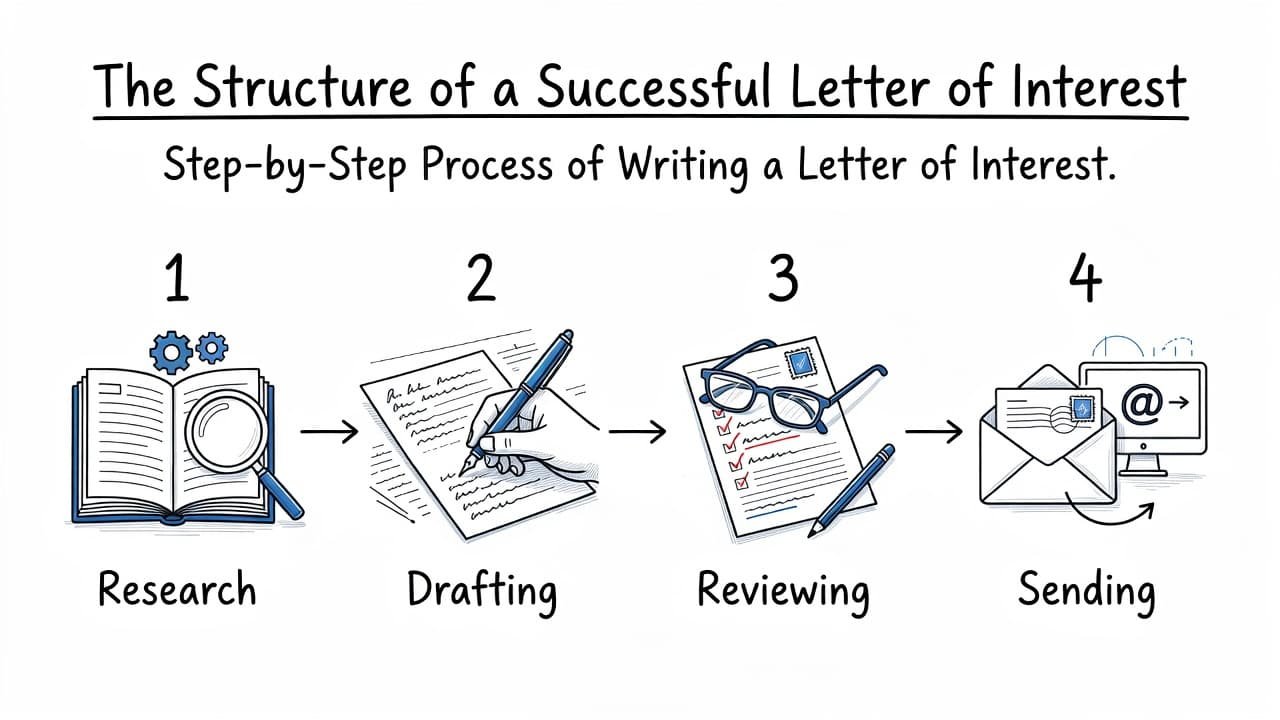
Follow this structure:
- Open with purpose and connection. Name the company, the specific role you want to join, and a reason for contacting them. Avoid saying you are writing to inquire about opportunities. A stronger opening names an initiative, value, or business need.
- Prove your fit with results. Choose one or two accomplishments that relate to the work you want. Use numbers when they add meaning. For example, stating that you reduced customer response time by 30 percent is stronger than saying you improved customer service.
- Connect your background to their needs. Explain how your unique skills and experience could help their team. By highlighting your relevant qualifications, you show exactly how you can contribute. Don’t claim that you can solve every problem, as a focused connection sounds more credible.
- Close with a low-pressure next step. This clear call to action should state that you would welcome a conversation about current or future needs. Thank the reader and include your phone number and email address.
Your resume must support every claim in the letter. CareerScribeAI’s AI resume builder can help tighten achievement statements, while its cover letter generator can turn rough notes into a more polished first draft. Keep control of the final wording, because the message should sound like you.
If your experience is limited, use academic projects, volunteer work, internships, customer-facing roles, or transferable skills. The guide to writing a cover letter with no experience offers practical ways to turn that experience into evidence.
Edit for Clarity, Tone, and Follow-Up
Read the letter aloud before sending it. Remove generic praise, repeated resume details, and long sentences that hide your strongest point. Check names, job titles, company spelling, and links carefully.
A useful test is simple: could you send the same letter to five competitors without changing much? If yes, add more research and sharper proof. The recipient should feel that you chose their organization on purpose.
Save the letter as a PDF unless the employer requests another format. Use a clear file name, such as FirstName_LastName_Letter_of_Interest.pdf. Whether you are looking for specific employment opportunities or hoping to secure an informational interview, this outreach is a vital part of effective networking. Remember to follow up once after about one to two weeks if you have not received a reply.
Prepare for a conversation before one arrives. CareerScribeAI’s Interview Prep Tools can help you practice concise answers about your accomplishments, interests, and reasons for contacting the company.
Frequently Asked Questions
When is the best time to send a letter of interest?
You should send a letter of interest when you have identified a company you admire but there are no current, specific job openings posted. This proactive approach helps you tap into the hidden job market and positions you as a candidate for future opportunities.
How does a letter of interest differ from a standard cover letter?
A cover letter is typically written in response to a specific job vacancy, focusing on how your skills meet defined requirements. In contrast, a letter of interest is unsolicited and broader in scope, explaining why you want to work for a particular company and how your expertise aligns with their general business goals.
Should I address my letter to a generic contact email?
No, you should always strive to address your letter to a specific person, such as a department head or the hiring manager. Researching the right contact on LinkedIn or the company website makes your outreach feel more personal, professional, and targeted.
Final Thoughts
A successful letter of interest works when it replaces vague enthusiasm with relevant evidence. Research the employer, write to a real person, and show how your past results connect to the work they need done.
While a thoughtful message does not guarantee an immediate opening, it can create a valuable conversation long before a position becomes public. By taking this proactive approach to your job search, you position yourself as a candidate who understands the needs of the business rather than someone simply looking for any available role.