


You do not need to match every bullet point to be a serious candidate. In 2026, many job descriptions still read like wish lists rather than strict pass or fail tests. If you meet 70% of the criteria, you often signal to a hiring manager that you are a strong contender, provided the role aligns with your long term career goals and your previous work experience.
That gap matters because plenty of qualified applicants screen themselves out too early. If you meet most job requirements, especially the ones tied to the actual tasks of the role, sending the application often makes sense.
Key Takeaways
- Prioritize core functions: Focus your energy on whether you can perform the essential duties listed in the job description rather than attempting to match every individual bullet point.
- Understand the 70% rule: Meeting roughly 70% of the criteria is often sufficient to signal to hiring managers that you are a strong candidate, especially if your core competencies align with the role.
- Distinguish requirements from preferences: Learn to identify non-negotiables like professional licenses or security clearances, and recognize that items like years of experience or secondary software tools are often flexible.
- Bridge gaps with impact: Use your resume and cover letter to emphasize transferable skills and quantified results, proving you can learn quickly and ramp up efficiently in areas where you may be lacking.
Why the 70% rule still holds up
Hiring managers rarely write perfect job posts. Teams move fast, roles shift, and recruiters often post a broad list to widen the search. As a result, a job posting can mix must-haves, nice-to-haves, and items copied from an old role.
That is why the 70 percent idea still works. If you possess the right technical skills and demonstrate a genuine willingness to learn, you are not underqualified. Your adaptability allows you to fill minor gaps, proving that you are a strong candidate even if you do not check every box.
Both Harvard Business Review’s advice on applying without every criterion and Indeed’s tips for applying with less experience make the same basic point: full alignment is not required for a strong application.
In 2026, this matters even more because the modern hiring process relies heavily on an applicant tracking system to screen potential candidates. While these systems scan for specific keywords, a human still decides whether your background fits the work. So if you meet the core requirements, you should not reject yourself first.
If you can do the main work on day one and grow into the rest, you have a real shot.
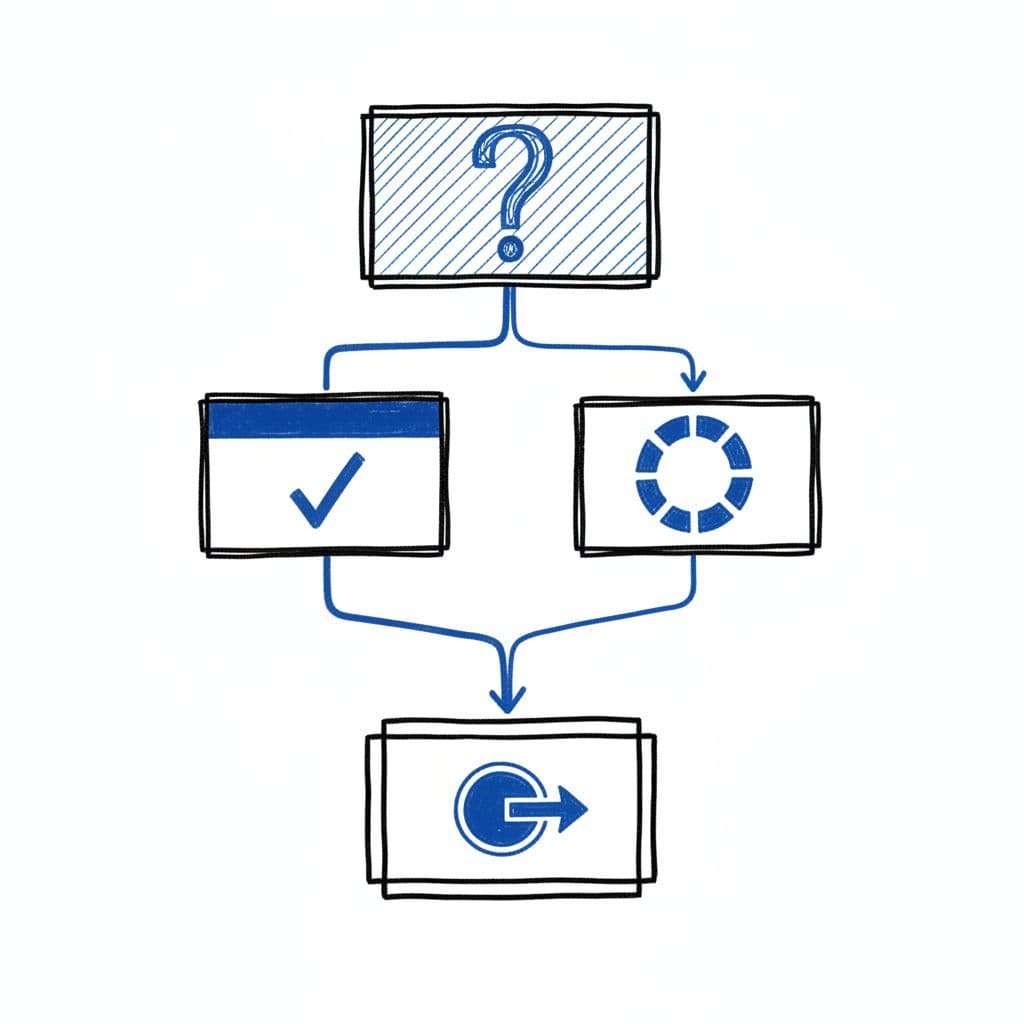
Which job requirements matter most
Not all criteria carry the same weight. Some are essential because the job cannot function without them, while others reflect preferences, training plans, or an ideal candidate profile that may not exist. Distinguishing between these categories is key to determining your eligibility.
Use this quick filter to evaluate the minimum requirements before you apply:
| Requirement type | Required qualifications | Preferred qualifications |
|---|---|---|
| Core job tasks | Yes, this matters most | Usually no |
| Mandatory license or clearance | Yes, this is non-negotiable | Rarely |
| Years of experience | Helpful, but flexible | Often yes |
| Specific software or tools | Good to have | Often yes, if similar tools |
| Industry background | Useful | Often yes |
| “Nice to have” skills | Not required | Yes |
The takeaway is simple: focus on whether you can perform the core duties, not whether you match every line of the required qualifications.
For example, a marketing role may ask for eight years of experience, five specific platforms, and a niche industry background. If you have six years of relevant experience, strong results, and proficiency in similar tools, you may still meet enough of the actual requirements to compete.
Addressing skill gaps is often easier than candidates realize. When you lack a specific tool, emphasize your transferable skills, soft skills, and any professional certifications that demonstrate your ability to learn quickly. By showcasing these assets alongside your primary work history, you can effectively bridge the distance between your background and the role.
Meanwhile, some gaps should stop you. If the role requires a specific nursing license, a law degree, or a government security clearance you do not have, these are typically non-negotiable. Hold off on those applications unless the employer explicitly states that such credentials are flexible.
Resume gaps also matter less than many job seekers think. A short break for caregiving, layoff recovery, school, or contract work does not cancel out your fit. What matters is how clearly you explain recent experience and how directly your background maps to the job posting.

How to apply when you do not meet every requirement
Once you decide to apply, your goal is not to hide the gap. Your goal is to show why it will not stop you from doing the job well.
Start by tailoring your resume to match the posting in plain language. If the role asks for stakeholder management, cross-functional work, or budget ownership, use those terms only where they are true. Then, back them up with results. To stand out among other job seekers, you should quantify achievements to prove that your impact is tangible.
A tool like CareerScribeAI.com can help here. Its AI Resume Builder can compare your resume to a job description and tighten weak bullet points, which helps when you need to make your core competencies easier to see. If your background is non-linear, the Cover Letter Generator can frame the career move clearly. Later, Interview Prep Tools can help you prepare for the exact concerns a recruiter may raise, such as a missing industry credential or a short resume gap. Consistency across all application materials is key to showing you are a serious candidate.
Keep your application honest and sharp:
- Show overlap with the top three to five duties in the post.
- Quantify achievements, because results beat vague claims.
- Address one meaningful gap in the cover letter, if needed.
- Prepare a short interview answer about how you will ramp up fast.
This is also where confidence matters. Many applicants wait until they meet every job requirement. That delays good opportunities and gives faster, better-positioned candidates a head start. If your fit is strong enough, send the application.
You are not alone in second-guessing this call. A career guidance discussion on Reddit shows how common this hesitation is. The pattern is familiar: people assume the list is fixed, when it is often more flexible than it looks.
What a smart “yes” looks like in 2026
A smart application is selective rather than reckless. Apply when you can perform the core responsibilities, prove your capabilities with concrete examples, and articulate a clear story about your growth areas to the hiring committee.
Skip roles where you miss a legal requirement, a foundational technical skill, or the central function of the job. Apply when the gap is narrower, such as differences in years of experience, specific software tools, job titles, or industry labels.
That distinction saves time and helps you target roles where you can demonstrate that your values align with the company culture. By focusing your energy, you make it easier for teams to picture you succeeding in the position even if you are still developing in minor areas.
Frequently Asked Questions
Should I apply if I don’t have the exact number of years of experience requested?
In most cases, yes. Years of experience are often used as a benchmark rather than a hard cutoff, and hiring managers are frequently more interested in your actual achievements and ability to perform the work than an arbitrary number on a resume.
How do I handle a missing skill in my cover letter?
You do not need to highlight every missing skill, but if a specific requirement is central to the role, address it by focusing on your transferable skills. Frame your experience in a way that shows how your past work history prepares you to learn or adapt to that specific tool or requirement quickly.
Are job description requirements usually accurate?
Rarely. Job postings are often drafted as wish lists that include nice-to-have skills or outdated requirements, so you should treat them as a guide for the ideal candidate rather than a rigid pass-or-fail test for your own application.
When is it definitely better not to apply?
You should skip roles that require specific, non-negotiable credentials such as a government security clearance, a medical license, or a specific degree required by law. Unless the employer explicitly notes that these qualifications are flexible, missing these foundational items will likely lead to an automatic rejection.
Conclusion
Meeting every line in a job posting is not the standard. Knowing how to meet job requirements for the core functions is what truly matters.
If you can handle the essential tasks, speak to the role clearly, and provide tangible evidence of your skills, applying is often the right move. Remember that any remaining gaps in your experience are simply opportunities for professional development once you are on the job. In 2026, the bigger risk is not being imperfect; it is ruling yourself out before the employer gets the chance to say yes.