

A phone screen feels brief and forms your first impression, but it can shape the rest of your hiring process. In 2026, strong phone screen answers need to prove fit fast and still sound natural.
Many employers now use AI-assisted screening before, during, or after a live recruiter screening call. That changes the standard. Short, clear, evidence-based answers now beat long, polished speeches.
Key Takeaways
- Deliver short, clear, evidence-based phone screen answers tied to outcomes that sound natural and match your resume to prove fit fast in AI-assisted 2026 screenings.
- Prepare by reviewing the job description twice, matching three proof points to likely questions, and keeping your resume, JD, and notes handy in a quiet space.
- Tailor answers by career stage—entry-level leans on projects, mid-career picks one strong result, career changers highlight transferable skills.
- End strong with thoughtful questions like ‘What does success look like in the first 90 days?’ followed by a thank-you email recapping your fit.
What recruiters listen for in a 2026 phone screen
A recruiter usually has four goals on the call. Recruiters want to confirm your fit with the job requirements, test your communication skills, check practical details, and spot any mismatch between your story and your resume.
That matters more now because early screening is often faster and more structured. Hiring coverage in 2026 points to more AI support in first-round screening, while guides like CareerBldr’s phone screen preparation guide and Fonzi’s recruiter phone screen overview show the same pattern: recruiters want clear proof, pay alignment, and honest motivation.
Before the call, read the job description once for the big picture and once for the deal-breakers. Do company research to understand the role better. If you struggle to sort those out, this guide on required vs preferred job skills helps you focus your answers on what counts most.
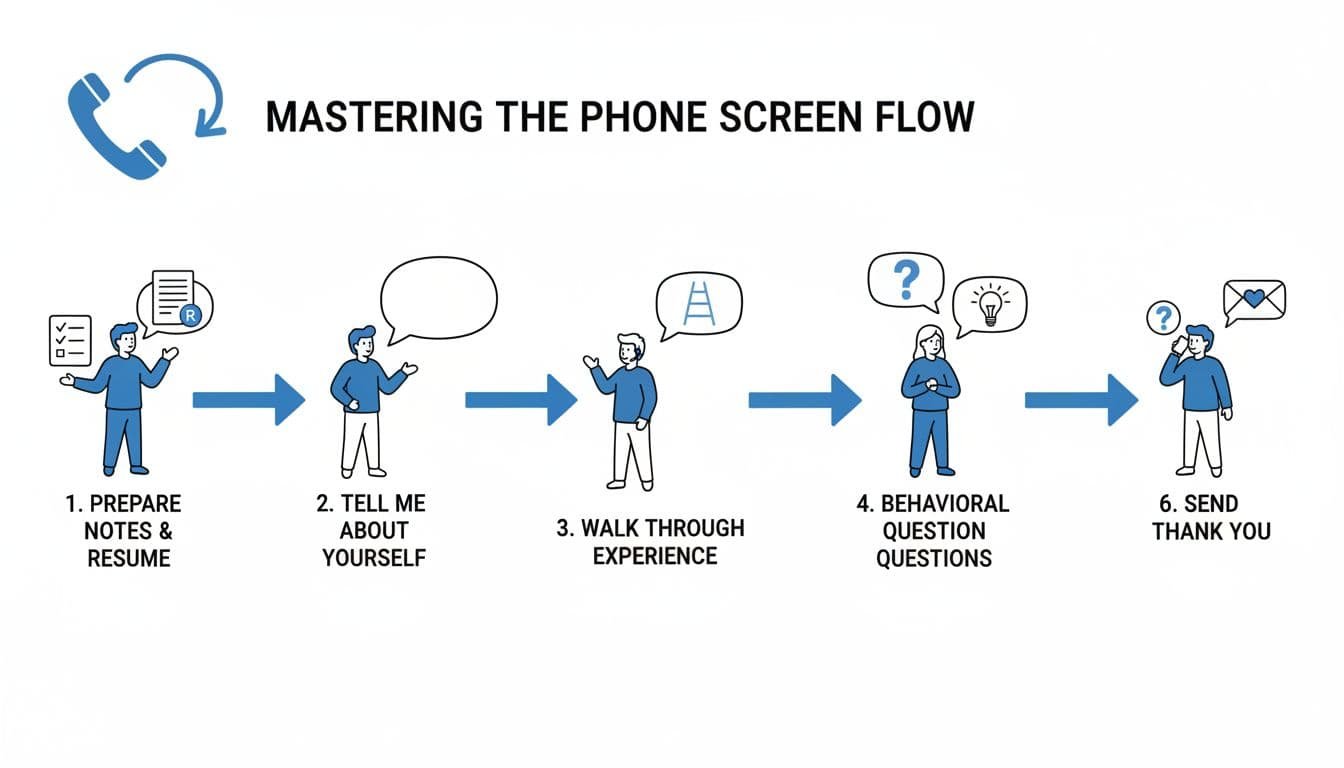
The smartest prep is simple. Find a quiet space, then keep your resume, the job description, and three proof points in front of you. Match each proof point to a likely phone interview question. If your resume says you improved retention, reduced errors, or sped up delivery, be ready to say how.
For interview preparation, also make your documents line up with what you plan to say. A recruiter will notice if your answer sounds stronger than the resume they already have. A clean one-column Lever ATS template can help keep that written story easy to scan before you ever get the call.
Phone screen answers that actually help you advance
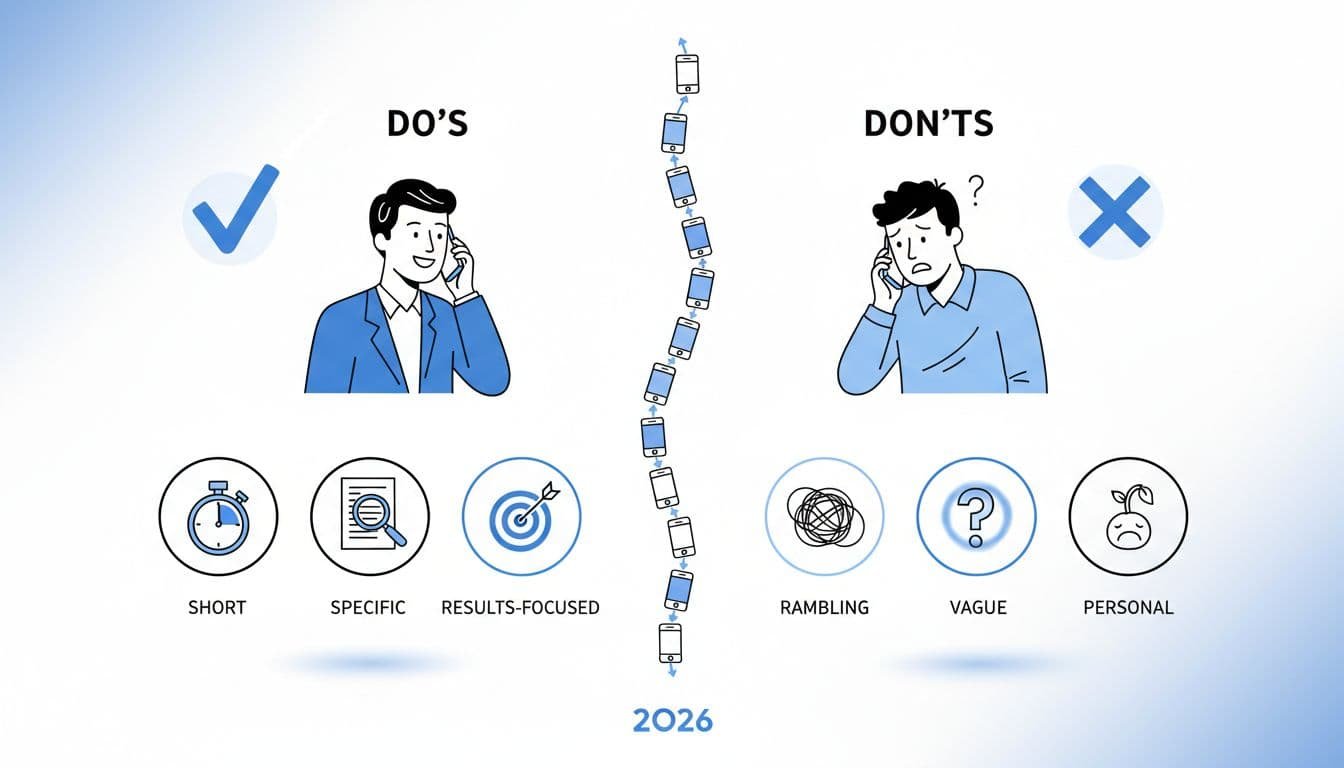
Good phone interview answers are brief, direct, and tied to outcomes. They sound like spoken language, not a script read off a page.
This quick table shows sample answers for common phone interview questions.
| Phone interview questions | What to emphasize | Sample answer |
|---|---|---|
| Tell me about yourself | Current role, one win, next-step fit | “I’m a customer success specialist focused on mid-market accounts. Last year I helped lift renewals by 12%. I’m now looking for a role where I can bring that mix of client care and retention work to a larger team.” |
| Why do you want to work here? | Match between their need and your proof | “Your team is hiring for someone who can improve onboarding and reduce churn. In my current role, I rebuilt our first-30-day email flow and helped cut early drop-off, so the fit feels strong.” |
| Why are you leaving? | Forward pull, not complaints | “I’ve learned a lot in my current role, but growth is limited now. I’m looking for a team with more scope, stronger mentorship, and work that matches the direction I want for the next few years.” |
| What are your salary expectations? | Range, research, flexibility | “Based on the role, scope, and market range, my salary expectations are $85,000 to $95,000. I’m open to the full package and would like to learn more about the level and expectations.” |
The best answers to phone interview questions sound spoken, not memorized. Keep them tight, and give one fact the recruiter can remember.
Behavioral questions and situational questions need the same discipline. Use the STAR method for a short answer, but trim the setup. For example: “A client was close to churning after a service issue. I owned the recovery plan, reset expectations, and set weekly check-ins. Within six weeks, the account renewed and expanded.” That answer is easy to follow because the result lands quickly. Prepare for other phone interview questions like strengths and weaknesses or walk me through your resume.
If your opener still rambles, this structured tell me about yourself response can help tighten it. For broader practice, Novoresume’s 2026 phone interview tips offer more sample phone interview answers and question types.
How to adapt your answers by career stage
Effective interview preparation involves tailoring your phone screen answers by career stage to impress the hiring manager.
Entry-level candidates should lean on internships, class projects, part-time work, and volunteer results. You do not need a long history. You need one solid example that shows you can learn, demonstrate communication skills, and finish work well.
Mid-career professionals often make the opposite mistake. They try to summarize ten years in two minutes. Cut it down. Choose one current strength, one measurable result, and one reason this role aligns with your career goals.
Career changers need logic more than polish. Lead with a transferable skill, then add recent proof. If you come from teaching, support, operations, or retail, show how that work built communication, ownership, or problem-solving that fits the new role.
This is also where a tool like CareerScribeAI can help without making your answers sound canned. Its AI Resume Builder can sharpen proof points, the Cover Letter Generator can align your story across documents, and the Interview Prep Tools can help you rehearse a mock interview out loud.
Frequently Asked Questions
How long should my phone screen answers be?
Keep answers brief and direct, aiming for 30-60 seconds per response. Tie them to one key outcome or proof point so recruiters can quickly grasp your fit without rambling. This works best in 2026’s fast, AI-supported screenings.
What should I prepare right before the call?
Find a quiet space and have your resume, job description, three proof points, salary range, and two questions ready. Match proof points to common questions like ‘Tell me about yourself’ for natural delivery. Line up your documents to avoid mismatches.
How do I handle salary expectations?
Give a researched range like ‘$85,000 to $95,000’ based on role and market, then show flexibility by discussing the full package. Avoid anchoring too low or high—focus on level and expectations. This keeps options open while signaling preparation.
What questions should I ask the recruiter?
Ask targeted ones like ‘What does success look like in the first 90 days?’ or ‘What red flags separate candidates who advance?’ These show judgment and interest without overwhelming the call’s end. Follow up with a thank-you email recapping fit.
How has AI changed phone screens in 2026?
AI now assists before, during, and after calls, favoring structured, short answers over polished speeches. Recruiters focus on quick proof of fit, pay alignment, and motivation. Prep evidence-based responses to stand out in this faster process.
Use the last five minutes well
A strong finish can rescue an average call and strengthen a good one. Keep these items within reach:
- Your resume, with three achievements circled
- The job post, with top requirements marked
- Your salary expectations and start date you can say calmly
- Two questions for the recruiter
Ask one thoughtful question before the call ends, such as “What does success look like in the first 90 days with the hiring manager?” or “What red flags or cultural fit issues tend to separate candidates who move forward from those who do not?” Those questions show judgment, not performance.
Right after the call, send a quick thank-you email, then a follow-up email recapping your fit.
Phone screens move fast because employers want signal early in the hiring process. Your job is to make that signal easy to hear, with a confident tone of voice on key phone interview questions.
When your phone screen answers to phone interview questions are short, specific, and consistent with your resume, recruiters have less work to do. That often means one simple result: you move forward, perhaps starting on your ideal start date.