


Prepare for a board member interview by researching the organization, matching your experience to its needs, and practicing concise answers that demonstrate governance judgment. The panel wants evidence that you can question decisions constructively and oversee strategy.
If you’re interviewing for an executive job rather than a board seat, emphasize how you’ll work with directors. For board candidates, preparation starts with understanding the responsibilities you’re accepting.
Key Takeaways
- Connect your experience to the board’s gaps.
- Prepare evidence of judgment, financial awareness, and constructive disagreement.
- Discuss time commitments and fundraising expectations openly.
What Makes a Board Interview Different
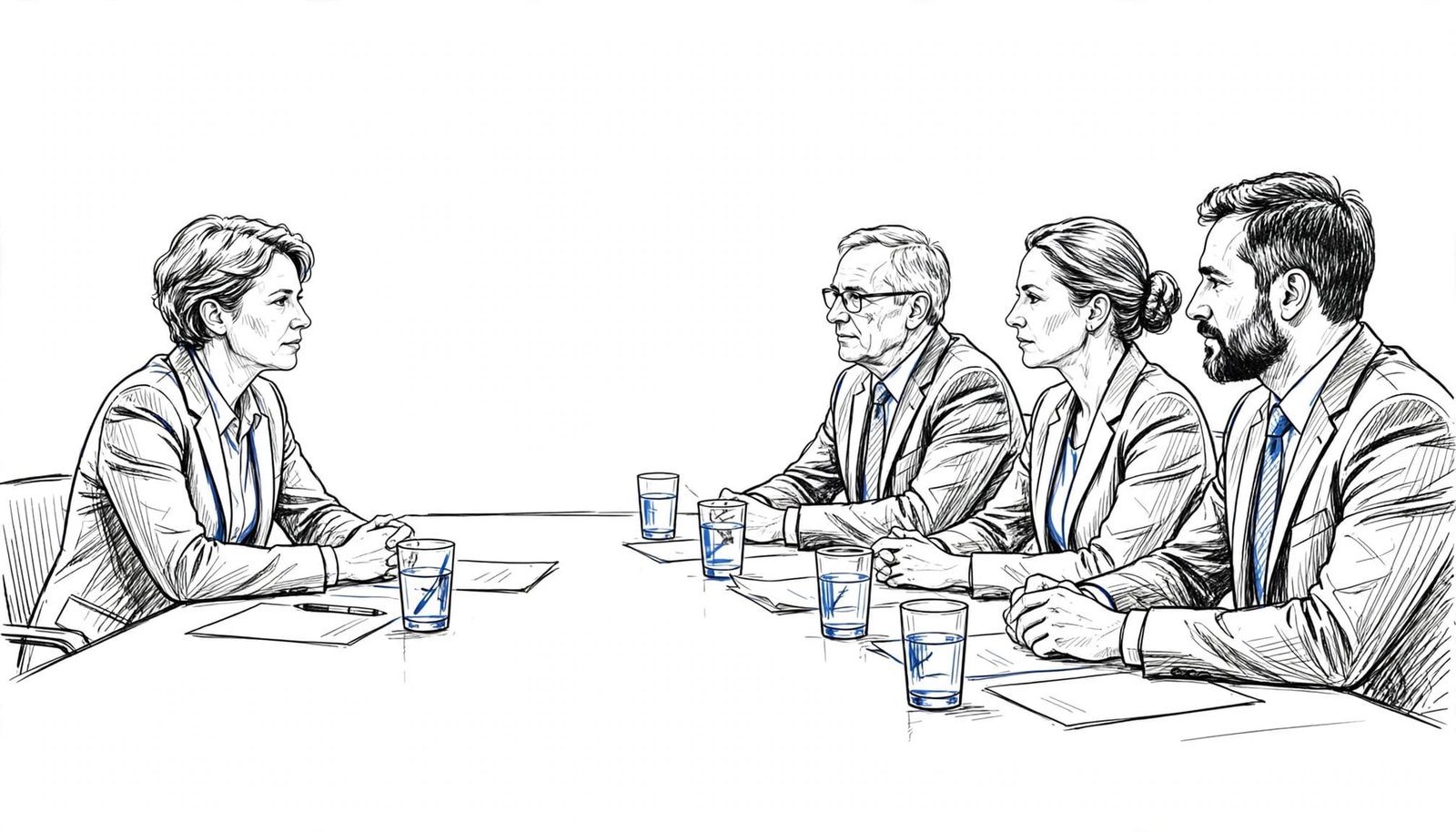
A board interview tests oversight rather than day-to-day management, since the board of directors oversees the organization’s strategy and risks. A senior panel of directors or stakeholders can feel intimidating, but focus on answering each question directly.
The conversation usually opens with your background, then moves into corporate strategy, risk management, boardroom agendas, and culture. Expect discussion of organizational challenges and your reasons for joining.
Build Your Preparation Around Evidence
Research the organization and board
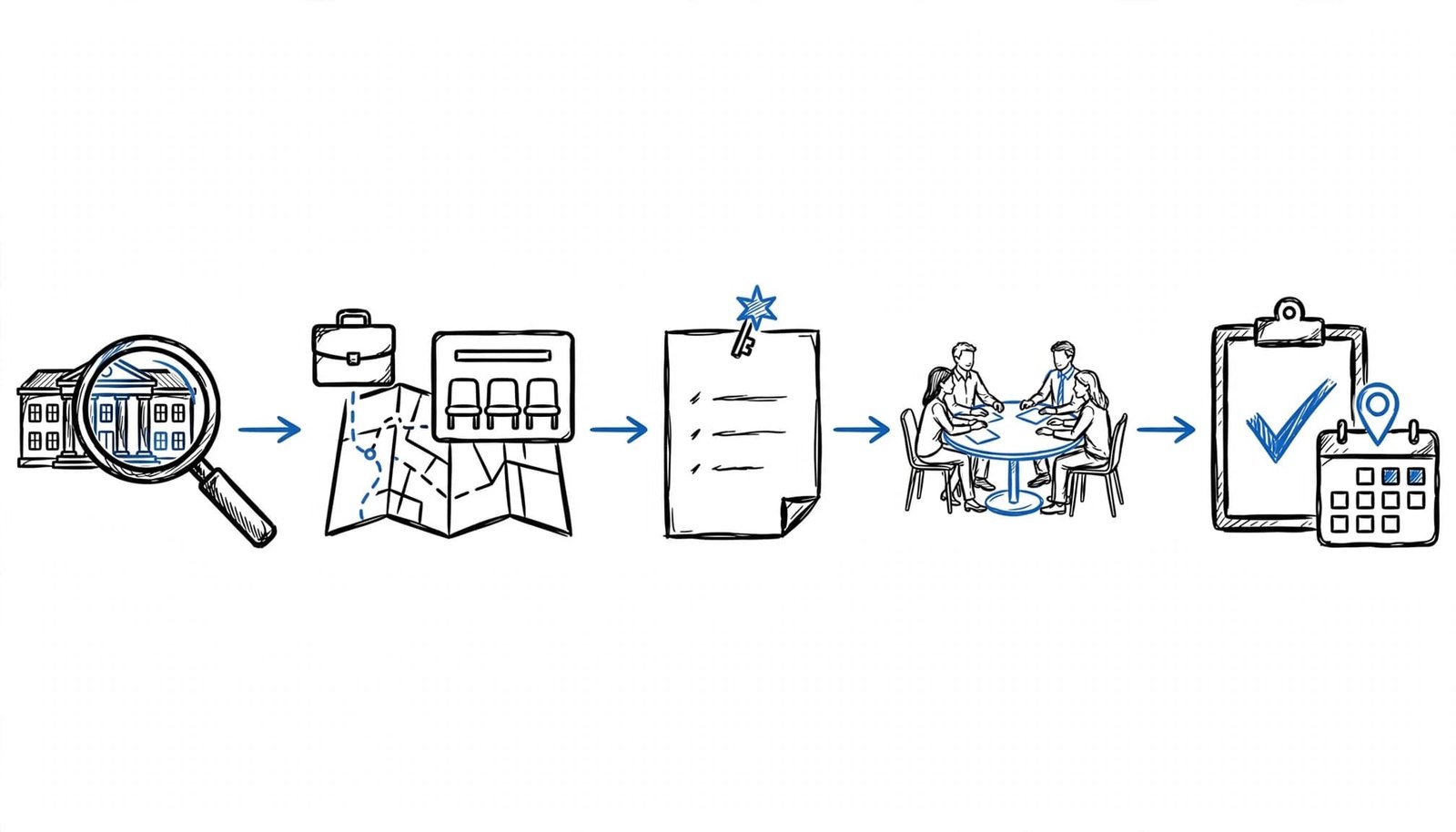
Review the organization’s annual report, financial statements, and strategy, then read the board of directors’ biographies. Identify challenges where your experience can support sound board oversight and decision-making without assuming you already know the solution.
Also consider whose perspectives are missing and how diversity and inclusion shape board discussions. BoardReady’s 2021 diversity report associated broader board perspectives with stronger performance. Businesses needing diversity improvement lost 3.4 percentage points in year-on-year growth during 2020.
Our AI Resume Builder and Cover Letter Generator can help align your application with the opportunity. Keep every claim grounded in your actual experience.
Rehearse concise, relevant answers
Prepare a short introduction connecting your background, relevant achievements, and motivation for serving. Then select examples of financial judgment, difficult decisions, and collaboration.
Use STAR: Situation, Task, Action, Result. For board interviews, add what your example demonstrates about oversight. Avoid operational detail that obscures your judgment.
Our Interview Prep Tools generate likely questions using the posting and your resume, with STAR frameworks to support practice. Edit drafts before rehearsing. Don’t over-answer, because rambling can confuse the panel or suggest weak expertise.
Board Interview Questions to Practice
Use these categories to prepare evidence rather than memorized scripts.
Skills and Experience
“What experience qualifies you for this board?” and “Which strategic challenge could you help us address?”
Connect an achievement to a stated board need. Explain your contribution and the outcome, while acknowledging areas where you’d need further information.
Financial Expertise
“What would you examine before approving a budget?” and “What fundraising responsibilities have you held?”
Discuss cash flow, reserves, assumptions, and financial risk. For nonprofits, describe your actual donor outreach and solicitation experience. BoardSource explains the board’s fundraising responsibilities.
Leadership and Teamwork
“How would you build relationships with directors and stakeholders?” and “How have you handled strong disagreement?”
Show how your leadership skills help you listen, challenge respectfully, and seek missing perspectives. Explain how you’d include stakeholder input without treating the loudest voice as representative.
Your Role
“What time can you commit?” and “How would you assess the CEO or executive director?”
Discuss your time commitment, agreed objectives, organizational performance, and a fair evaluation process. Distinguish the board’s oversight duties from management’s responsibility for execution.
Ethical Standards and Governance
“What does good governance mean to you?” and “What would you do if a director acted against the organization’s interests?”
Explain accountability, conflicts of interest, and informed decision-making. For board-management disagreement, establish facts, use agreed governance processes, and document decisions.
Give the Interview Panel a Consistent Process
For interviewers, a consistent, evidence-based interview process starts before question writing:
- Build a board composition matrix covering current and prospective directors’ skills, experience, and attributes. Identify gaps before choosing questions.
- Prepare an interview guide with the structure, shared questions, and evaluation criteria. A simple proposed scale is 1 for unsupported answers, 3 for relevant evidence, and 5 for strong evidence plus sound judgment.
- Explain the commitments candidates should understand, including board meetings and their schedules, action-item work, investor contact, and company events. For nonprofit boards, state personal giving and the fundraising obligation, or “give and get,” expectations clearly. Ask what the candidate has raised and how.
- Keep response and evaluation records. Ask references about leadership, commitment, previous contributions, and suitability for board service. Inform unsuccessful candidates promptly, explain the reasons courteously, and welcome questions.
Frequently Asked Questions About Board Interviews
How long does the interview last?
Most board member interviews last 45 to 90 minutes. Allow enough time for your own questions about responsibilities and expectations.
Who should be on the panel?
Ideally, two to four current directors or key stakeholders participate. Multiple perspectives help assess candidates beyond one interviewer’s impressions.
How should interviewers handle evasive answers?
Politely return to the original question and request a concrete example. Continued unwillingness to answer may raise concerns, but distinguish evasion from misunderstanding.
Can the interview take place virtually?
Yes. Virtual interviews can be effective. Test the connection, microphone, camera, and meeting software beforehand to reduce disruptions.
Show the Judgment You’ll Bring
Strong preparation connects your experience to the board’s actual responsibilities. Clear examples help directors assess how you’ll contribute when decisions are difficult.
Choose your strongest evidence, rehearse concise answers, and prepare questions about expectations. Your goal is mutual fit, including an honest understanding of the commitment you’re accepting.