


When explaining a demotion on resume, keep your titles accurate, emphasize relevant results, and prepare a short interview answer about what changed. Your resume doesn’t need the word “demotion,” but it must show an honest employment history.
A lower title can prompt questions, especially when you’re applying for leadership roles. Start with a clear resume format, then connect your explanation to the job you want.
Key Takeaways
- Group roles accurately to show career progression without implying you held your highest title throughout.
- Match your explanation to the actual circumstances.
- Support your readiness with results, skill development, and credible references.
Choose a Truthful Format for Your Resume
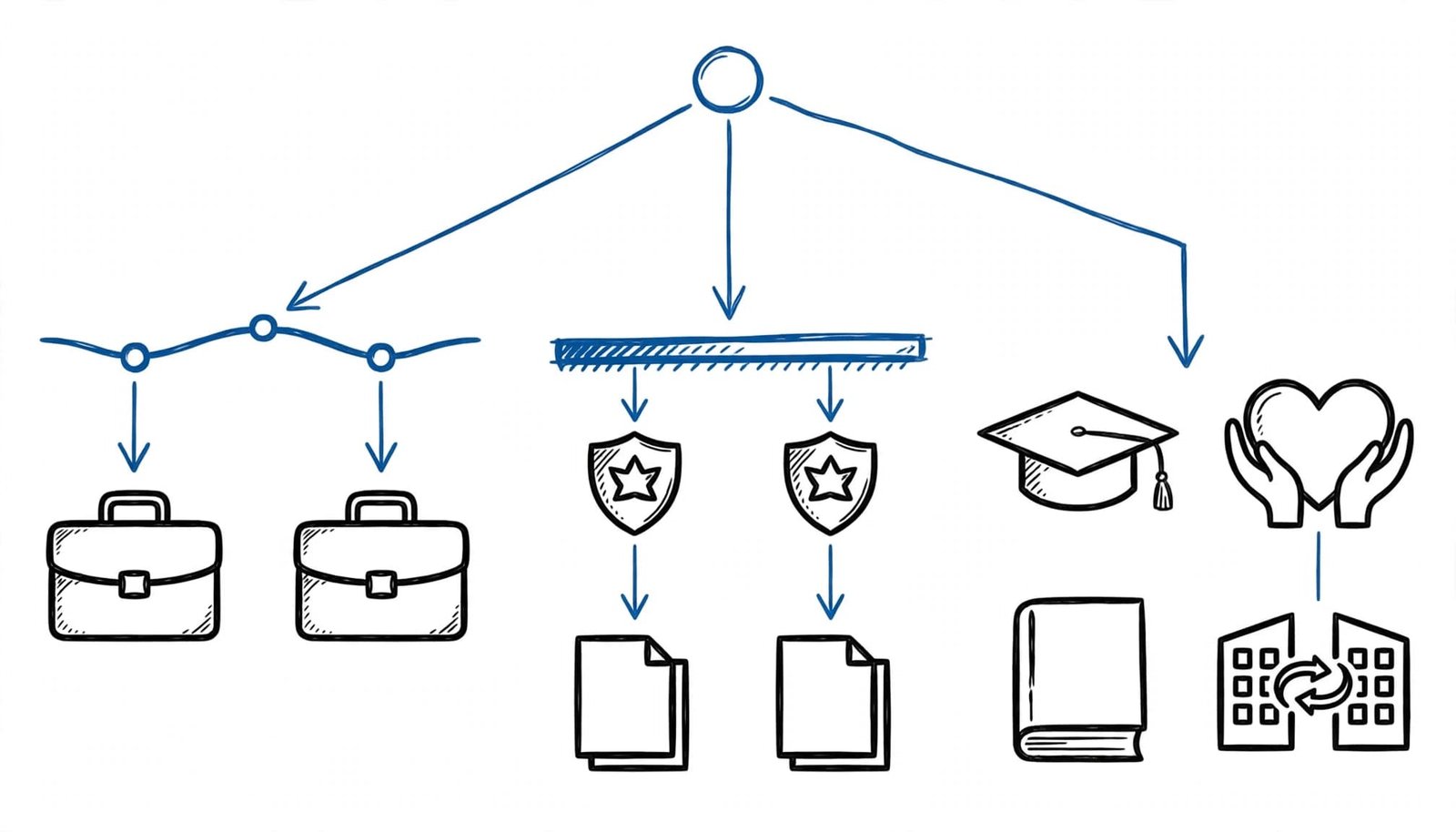
Group roles under one employer
You can list your entire tenure under one employer and one date range, without separate dates for each role. However, name each job title accurately rather than assigning your highest title to every year.
For a manager who returned to team leadership, the role line could read:
Team Lead (current); Operations Manager (previous)
Place the employer and total employment dates above that line. Follow it with evidence relevant to your target position, making each role’s responsibilities clear.
CareerOneStop’s resume strategies emphasize accomplishments. Give readers evidence beyond the title change.
Group comparable positions together
If you held two consecutive management jobs, group them under their correct shared date range. Then list earlier positions separately with their actual dates.
If you served as an acting manager, label the position as acting manager and distinguish its dates from those of your permanent role.
Don’t combine management periods separated by a nonmanagement role. Also, provide individual role dates when an application requests them.
Explain outside causes briefly
A short explanation can help when the move followed MBA study, care for an aging parent, a book contract, or a company buyout.
For example, use “Moved to an individual contributor role while completing an MBA” only if that’s accurate.
At CareerScribeAI.com, our AI Resume Builder helps tailor your experience. Our Cover Letter Generator can help explain relevant context without turning the letter into a defense.
Prepare an Interview Answer That Fits the Circumstances
Choose your target first and prepare a concise answer for a job interview. For a lateral move, prepare one or two successes from the higher role. For a higher-level position, prepare three strong accomplishments from your current role that demonstrate readiness.
“Career paths don’t have to travel in straight lines.” Keep your explanation positive while acknowledging the facts. Name skills you’ve gained since the change, such as forecasting, delegation, or conflict resolution, and support them with examples.
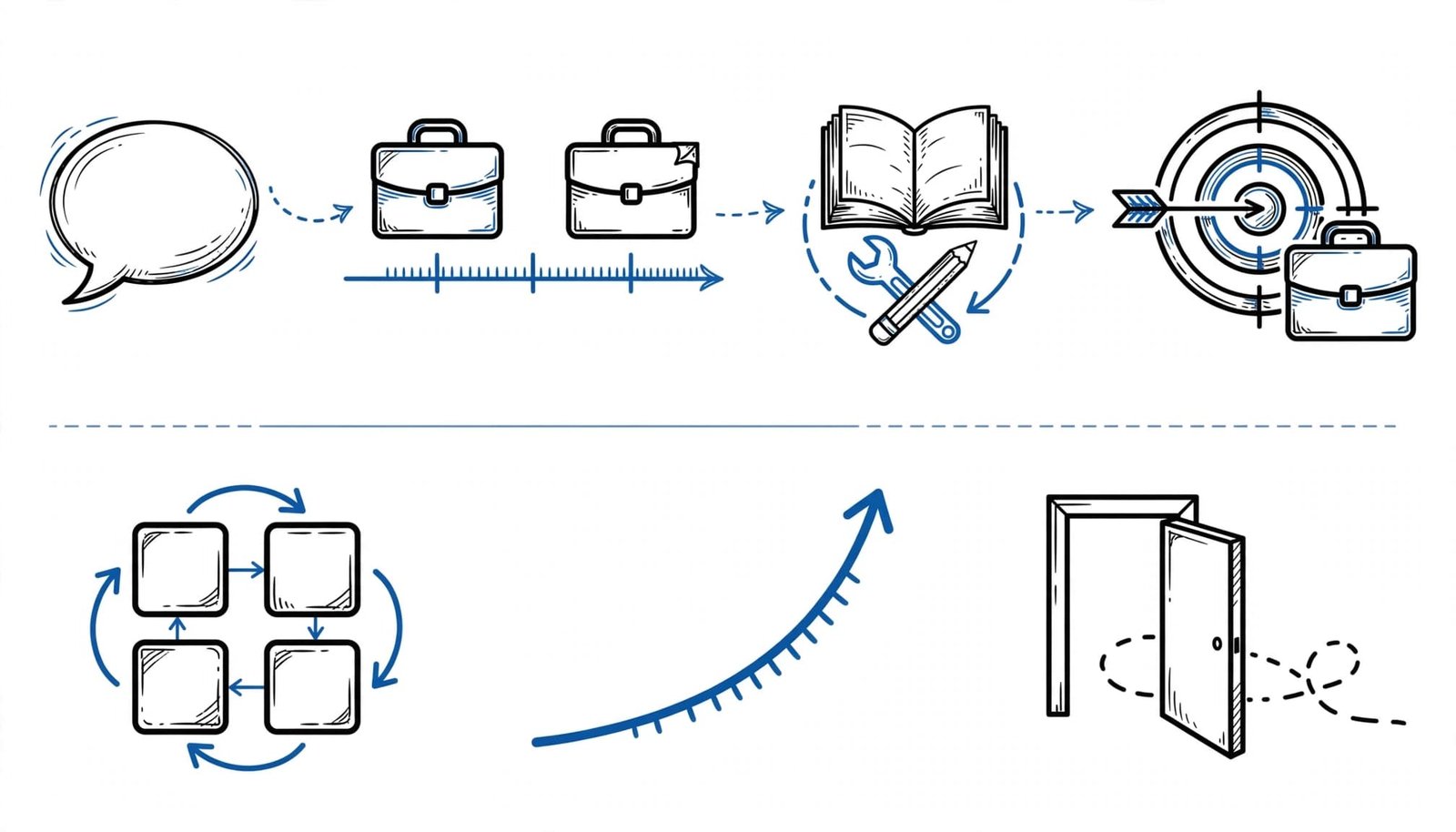
Restructuring or a voluntary move
If you were demoted after a restructuring, adapt this wording only if it matches what happened:
“After the buyout, the company consolidated management positions. I moved into a specialist role and continued handling customer escalations.”
For a voluntary move toward similar-level work, keep it to three or four sentences:
“I accepted a supervisor position and learned that hands-on work suited me better. I chose to return to an individual contributor role. Since then, I’ve strengthened my technical skills. This position matches the work I want to continue.”
Outside circumstances explain the change; your achievements establish your fit.
Performance concerns or limited readiness
If you were demoted after performance concerns, acknowledge the specific gap without attacking yourself. Then explain your response and provide evidence that supports your next step.
If accurate, you could say:
“I struggled with delegation in my first management role. After returning to a specialist position, I sought coaching and practiced clearer handoffs. I can now discuss projects where those changes improved coordination.”
Our Interview Prep Tools help you rehearse likely follow-up questions using STAR stories: Situation, Task, Action, Result.
Keep Titles, References, and Background Checks Consistent
Ask the demoting employer to confirm an accurate reference and which title you may list. Ask what HR will disclose about your dates and positions. Never assume the employer will conceal the change.
If a reference contradicts your resume, explain the discrepancy directly and provide employment records. Correct your resume if its wording created a misleading impression.
For U.S. third-party screening reports, the FTC explains your background-check rights, including how to dispute inaccurate or incomplete information. Those protections don’t erase accurate employment history.
If an employer spreads false, damaging statements and a direct correction fails, an employment lawyer can assess defamation. The lawyer may send a letter on law-firm letterhead warning against libel or slander. Defamation rules depend on jurisdiction, and an unfavorable reference isn’t automatically unlawful.
Also, request LinkedIn recommendations from supervisors, colleagues, clients, and vendors who know your work. Reciprocate when asked if you can write a truthful recommendation. Keep references off the resume itself.
Avoid Mistakes That Create Additional Red Flags
Keep explanations professional
Keep your explanation professional and positive. Leave grievances and private medical details off your resume. Never disparage your former employer in an interview; bitterness can overshadow an otherwise reasonable explanation.
When asked why you’re leaving, a short forward-looking answer may suffice: “I’ve valued my time here, and I’m ready for a role focused on client delivery.” If asked directly about the demotion, answer directly.
Clarify complicated employment histories
Five or more jobs in ten years can raise job-hopping concerns, but there’s no universal cutoff. If an employer sees you as a job hopper, point to completed assignments, repeat contracts, or promotions as evidence of your work.
For temporary work, list the staffing agency under one date range, then identify client assignments and their accomplishments underneath.
Present a family business like any other employer, without family references. Use a CEO title only if your duties support it. For self-employed work, use a title that matches your work. Use “CEO” only when your executive responsibilities and professional track record support it.
Frequently Asked Questions
Is a demotion a firing?
A demotion lowers your role, rank, or responsibilities while employment continues. A termination ends employment. An imposed change can raise contractual or constructive-dismissal issues, depending on local law.
How should I show an earlier promotion?
List the promoted title and its accurate dates, or state “Promoted to Operations Manager” beside the relevant position. A later demotion doesn’t erase that achievement, but don’t imply you still hold the promoted role.
Make Your Next Role the Focus
A demotion needs a clear explanation, not a place at the center of your application. As you continue your job search, keep your employment history accurate and connect your results to the role you’re pursuing.
Prepare one calm answer and the evidence behind it. Credible progress gives employers a stronger basis for judging your readiness than the title change alone.