


A hiring manager can spot a duty list on your business analyst resume in seconds. If your business analyst resume bullets read like a copy of the job descriptions, they won’t show why you should get the interview.
In 2026, hiring teams want proof. They want to see how your analysis changed costs, revenue, cycle time, adoption, or risk. These tips apply to both an entry-level business analyst and a senior business analyst. The goal is simple: quantify impact by turning behind-the-scenes work into results a recruiter can scan fast.
Key Takeaways
- Hiring teams in 2026 demand business analyst resume bullets that prove impact with metrics on costs, revenue, cycle time, or risk—not just duties or generic activities.
- Follow a four-part formula: action verb + scope + evidence + business result to turn behind-the-scenes work into scannable proof that passes ATS and impresses recruiters.
- Replace weak bullets like “Gathered requirements” with strong ones like “Led workshops… reducing change requests by 31%” using tools, scale, and outcomes.
- Use direct keywords (SQL, Jira, stakeholder management) for ATS while quantifying scale with team size, hours saved, or adoption rates, even if estimated.
- Apply this to entry-level or senior roles: rebuild 3 bullets today to highlight transferable skills, certifications, and soft skills through achievements.
What hiring teams expect from business analyst resume bullets now
Recruiters still skim first. Applicant tracking systems still screen first. That means your bullets need plain job-title language, but they also need evidence. Strong business analyst resume examples follow the same pattern again and again: a clear action, a concrete scope, and an outcome that matters to the business.
Work experience sections are scanned by applicant tracking systems and recruiters for business analyst skills. Most weak resume bullet points fail for one reason. They describe activity, not change. “Gathered requirements” tells me what you did. It doesn’t tell me whether the launch moved faster, fewer defects reached production, or leaders made better decisions because of your work.
Good bullets usually answer three points in one line:
- What problem or initiative you worked on
- How you analyzed, defined, or improved it
- What happened after your work
Keep the wording simple because ATS resume filters still reward direct terms like requirements gathering, SQL, stakeholder management, Jira, process mapping, and dashboard reporting; including technical skills such as SQL and Jira is vital for passing filters. At the same time, hiring managers look for business analyst accomplishments that align with job descriptions, not a list of meetings attended. If you need help turning project work into sharper proof, CareerScribeAI’s AI Resume Builder can compare your draft against a job post and tighten vague bullets. Pair that with practical ATS-friendly resume tips and your experience becomes much easier to scan.
Use a four-part formula that shows measurable impact
A strong bullet is less like a diary entry and more like a mini case summary. It should show what changed because you were there, to quantify impact and demonstrate measurable business outcomes.
Start with action, add scope, show evidence, then end with business result.
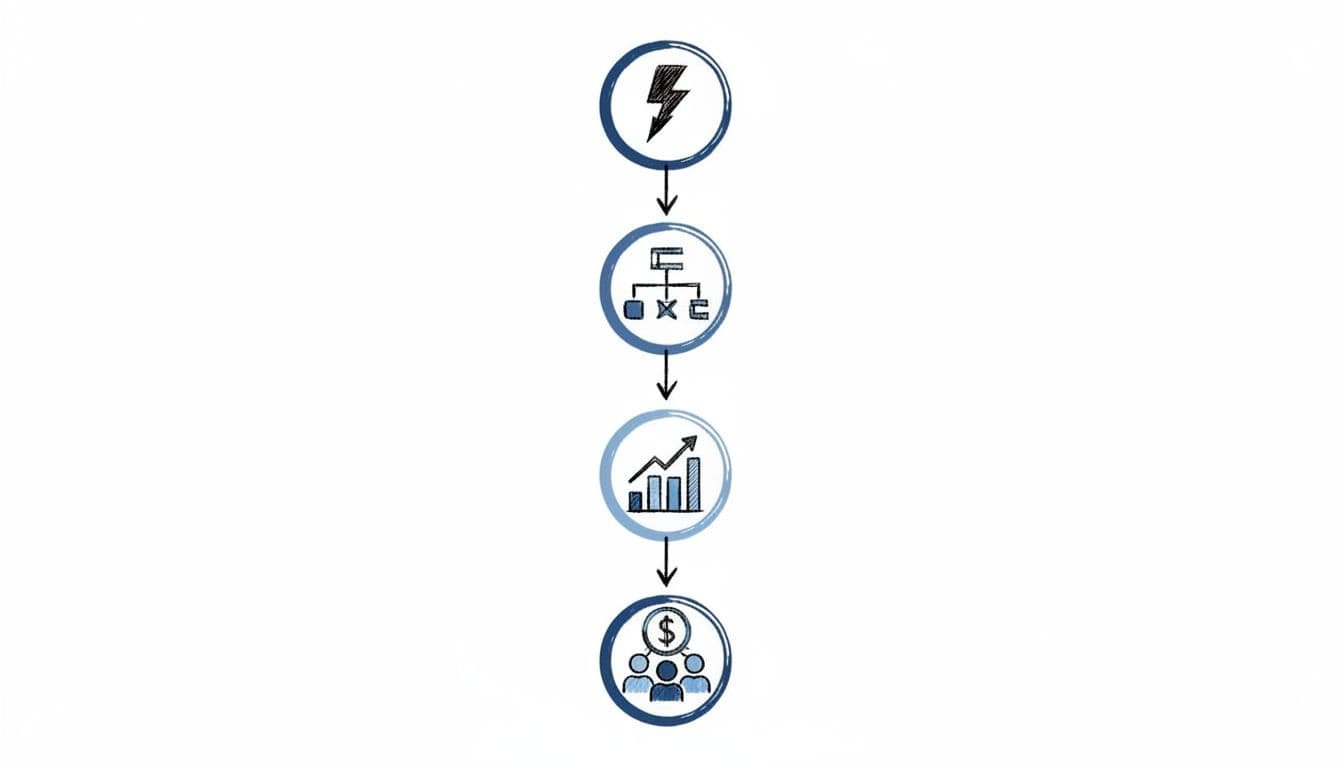
That structure helps you avoid empty phrasing such as “responsible for,” “worked on,” or “supported.” Instead, use action words that show ownership, such as analyzed, mapped, led, defined, identified, improved, or launched.
Here are reusable templates you can adapt:
- Analyzed [data, process, or funnel] across [scope], found [issue], and helped deliver [metric-based result].
- Led requirements gathering for [system or project], aligned [teams], and reduced [delay, risk, or rework] by [number].
- Built [dashboard, report, or model] using tools like Excel or Tableau for [audience], improving [speed, accuracy, or adoption] by [result].
To ensure consistency across the resume format, reflect this four-part formula in your resume summary or resume objective. Open with a strong action word to highlight your role, define the scope of your expertise, present key evidence from your achievements, and close with the business results you drove.
Not every bullet needs a dollar figure. Still, most should show scale. Use team size, record volume, regions, defect rate, hours saved, adoption rate, or time to complete. If exact numbers aren’t available, estimate from reports, dashboards, or project notes. These common resume metrics examples can help you spot results you may have missed.
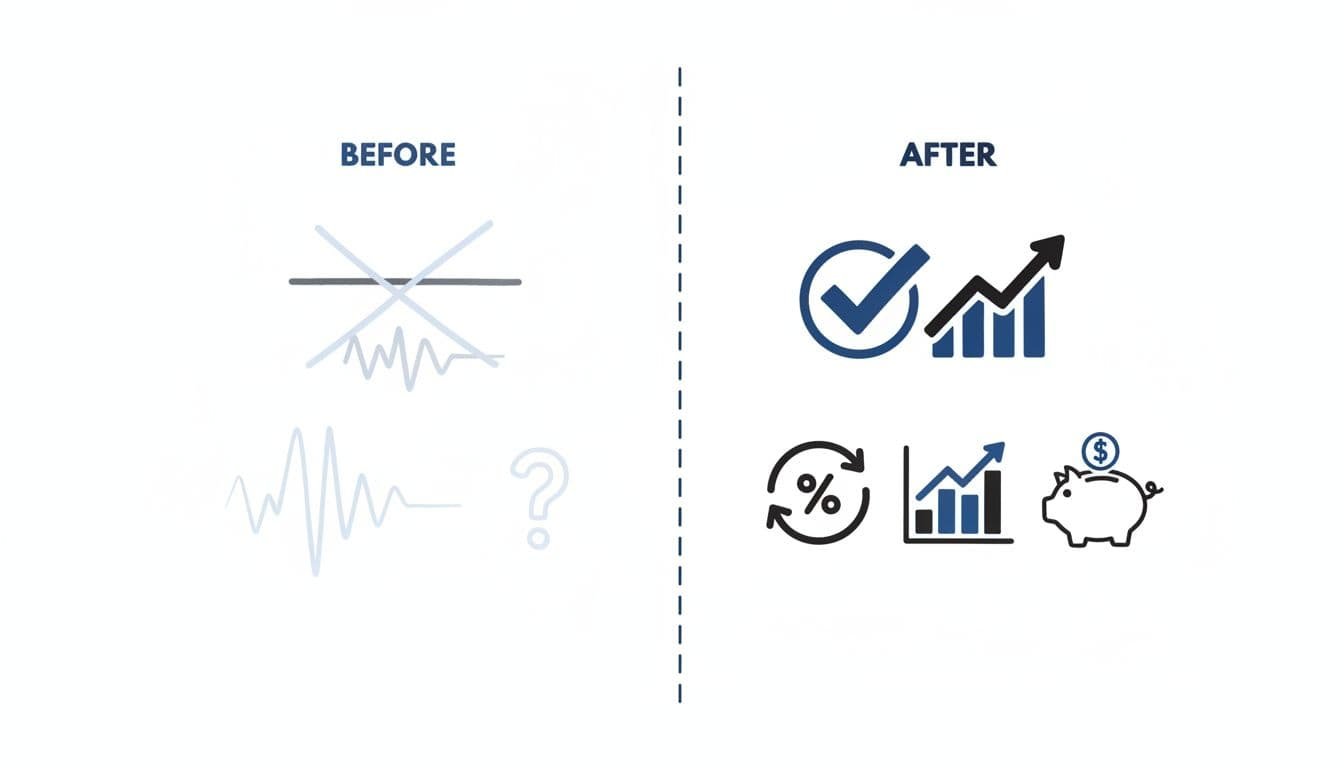
Before-and-after resume bullets for common BA work
The fastest way to improve resume accomplishments is to compare weak bullets with stronger ones for data analysis, requirements gathering, process improvement, and more. Notice how the better version adds scope, tools, and business effect.
Data analysis
Before: Analyzed sales data and created reports.
After: Analyzed 18 months of sales and churn data in SQL, Excel, and Power BI, flagged pricing gaps, and helped deliver changes that lifted renewal revenue by 9%.
Requirements gathering
Before: Gathered business requirements for a system upgrade.
After: Led workshops with finance, operations, and IT to define 42 requirements for an ERP rollout, reducing post-launch change requests by 31%.
Process improvement
Before: Improved the invoice approval process.
After: Mapped invoice exceptions across three regions, found handoff delays, and cut approval time from 7 days to 4, saving 220 staff hours per quarter.
Cross-functional collaboration
Before: Worked with teams on dashboard project.
After: Partnered with product, sales, and engineering to launch a KPI dashboard used by 12 managers each week, reducing manual reporting by 65%.
User acceptance testing
Before: Conducted user acceptance testing for software.
After: Orchestrated user acceptance testing for a CRM upgrade with 25 end-users, uncovered 18 defects early, and cut production issues by 40%, accelerating go-live by two weeks.
These examples work because they show more than busy work. They show decision support, risk reduction, cost savings, and better execution. That’s the language hiring teams remember.
If a recruiter can swap your bullet with another candidate’s and nothing changes, it’s too generic.
Once your bullets are solid, carry the same proof into the rest of your application. CareerScribeAI’s Cover Letter Generator can turn one strong bullet into a short story for your letter, and its Interview Prep Tools can help you turn that same win into a clear STAR answer.
Your resume isn’t a task log. It’s proof that your analysis changed outcomes.
Pick three old bullets today and rebuild them with action, scope, evidence, and result. That small rewrite can make your business analyst resume bullets sound like business impact, not background noise. For those with an employment gap or transitioning roles, use these business analyst resume bullets to highlight transferable skills and certifications. Also demonstrate soft skills through achievements in your business analyst resume rather than just listing them.
Frequently Asked Questions
How can I quantify impact if exact numbers aren’t available?
Estimate metrics from reports, dashboards, or project notes using common scales like team size, record volume, hours saved, or defect rates. Not every bullet needs dollars—focus on time, adoption, or risk reduction. Tools like resume metrics examples help spot overlooked results.
What action verbs work best for business analyst resume bullets?
Start with ownership verbs like analyzed, mapped, led, defined, identified, improved, or launched to avoid weak phrases such as “responsible for” or “supported.” Pair them with scope and results in the four-part formula for mini case summaries. This structure aligns with what recruiters scan for business change.
How do I make bullets ATS-friendly while showing impact?
Include plain keywords like requirements gathering, SQL, Jira, process mapping, and dashboard reporting to pass filters. Then layer in action, scope, and metrics to prove business analyst accomplishments that match job descriptions. Test with AI tools like CareerScribeAI to tighten against a job post.
Can entry-level business analysts use these bullet examples?
Yes, these tips apply to both entry-level and senior roles—focus on internships, projects, or certifications with quantified scope like team size or tools used. Highlight transferable skills through results, not lists, to stand out. Pair with a strong resume summary using the same formula.
Why do before-and-after examples make such a difference?
Weak bullets describe activity (e.g., “Analyzed sales data”) without change; strong ones add tools, scope, and outcomes (e.g., “lifted renewal revenue by 9%”). This shifts from task logs to proof of decision support, savings, or faster execution. Recruiters remember business impact over busy work.