


If you’re searching for “withdraw job application” advice, contact the recruiter promptly, state your decision clearly, and thank them for their time. Email usually works best because it provides a written record of your communication.
You can leave the hiring process without sharing private details or criticizing the employer. Your approach depends on how far you’ve progressed. A brief message is better than ghosting and can help you avoid choices that burn bridges.
Key Takeaways
- Withdraw as soon as you’ve made a firm decision, rather than ignoring messages or interviews.
- Use email for most situations; consider a call when you’ve built a relationship or accepted an offer.
- Keep your explanation brief, truthful, and optional.
- After an accepted offer, address any contractual or onboarding obligations.
Decide Before You Withdraw Your Application
Accepting another offer is the most common reason a candidate withdraws, according to career coach Kristine Knutter. People also leave over compensation, unsuitable responsibilities, or changes in personal circumstances.
Welcome to the Jungle’s withdrawal guidance also cites a 2021 ERE study identifying disrespect for applicants’ time, particularly during interviews, as a leading cause of withdrawal. A lengthy hiring process and disappointing compensation were other reported factors.
Before withdrawing, distinguish a dealbreaker from an issue you could negotiate. A salary below your target might justify a conversation; a work schedule you can’t accommodate may settle the decision.
Recruitment firm Inject warns that choosing based on a $5,000 pay difference could cost $500,000 over a career. Treat that as an illustrative claim, not a reliable forecast: future earnings depend on progression and other assumptions.
Compare the whole opportunity, including development and benefits. However, once you’re certain, don’t keep interviewing to avoid an uncomfortable conversation. Prompt notice gives the employer time to redirect its search.
Follow These Five Professional Withdrawal Steps
Two.jobs recommends five actions: prompt communication, honesty and respect, thanks, an appropriate channel, and preserving the relationship.
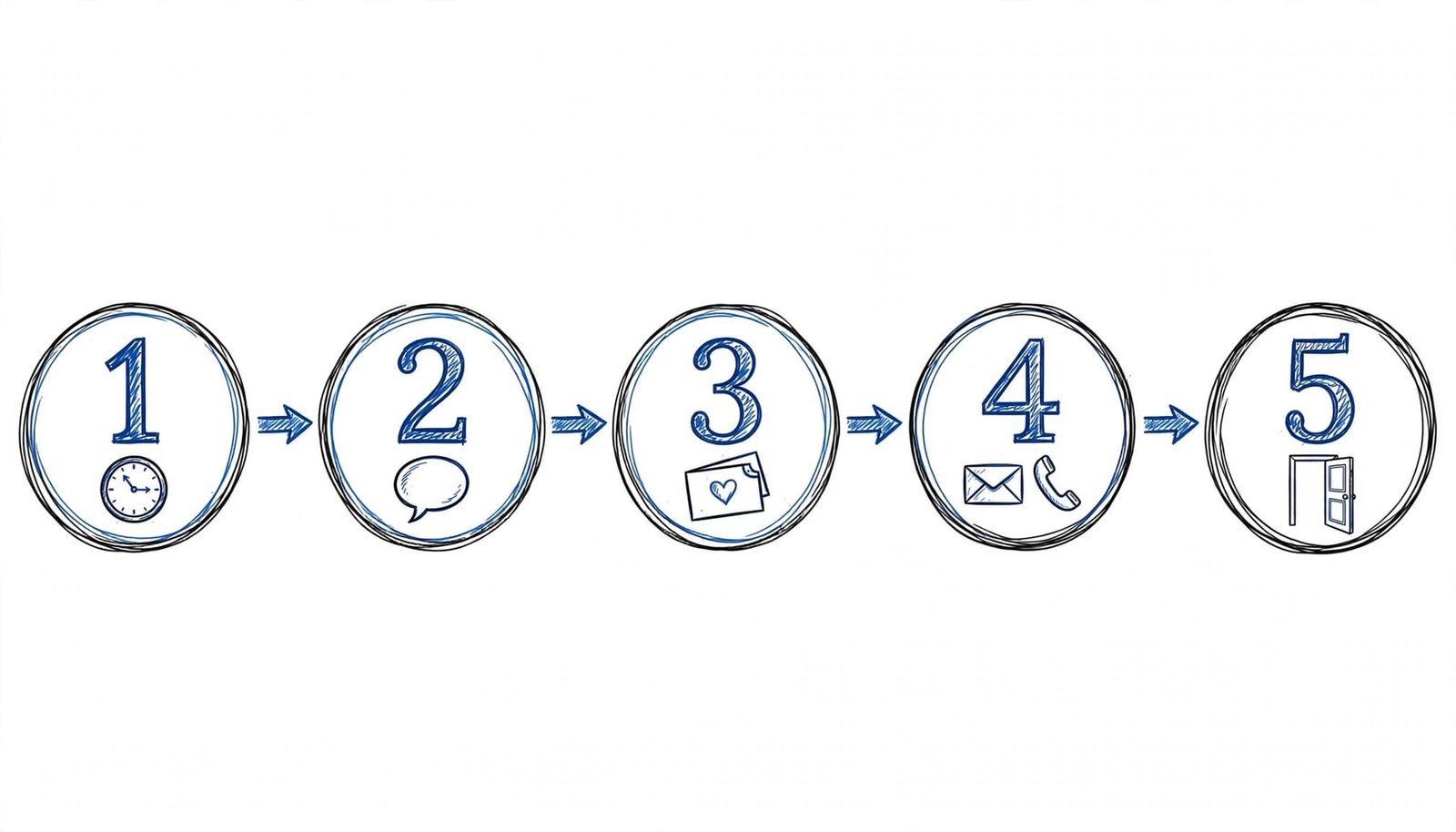
Apply those principles in this order:
- Decide whether to end your application or request a change before continuing.
- Contact the hiring manager as soon as your decision is final.
- Name the position and say clearly that you want to withdraw from consideration.
- Thank them, adding one truthful sentence about your reason if useful.
- Cancel upcoming interviews and reply promptly to necessary follow-up messages.
Ghosting damages trust because the hiring team can’t tell whether a candidate has ended their application or simply hasn’t replied. It can also affect future relationships with recruiters and the hiring manager.
SHRM’s reporting on candidate frustrations highlights communication problems during hiring. Even when the employer communicates poorly, your response still shapes your reputation.
Choose Email, Phone, or the Employer’s Portal
Email works for most withdrawals
Email lets you communicate a firm decision without putting someone on the spot. It also records the role, withdrawal date, and any canceled appointment.
Reply within the existing recruitment thread when possible. Otherwise, use a subject such as “Application withdrawal: Marketing Analyst.” Contact the recruiter or HR coordinator managing your application rather than contacting every interviewer.
If an interview is imminent, email immediately. Then call the coordinator if you need to confirm the hiring manager received the cancellation.
A call suits an established relationship
A phone call is appropriate after several interviews, substantial support during the process, or an accepted offer. Follow the conversation with a short written confirmation.

Keep the conversation professional and brief. You can say: “Thank you for your support throughout the process. I’ve decided to withdraw from consideration, and I wanted to tell you directly.”
Avoid social media and messaging apps. One library hiring director described withdrawal by text as unwelcome. Even if you’ve exchanged scheduling texts, a written message provides a clearer formal record.
Use a Withdrawal Email That Matches Your Stage
A candidate can keep the reason brief while giving the employer a clear decision, appreciation, and any relevant scheduling detail. The Balance’s withdrawal letter examples follow a similarly concise approach.
Replace the bracketed details before sending. You don’t need a long explanation or repeated apologies.
Before an interview
Subject: Application withdrawal: [Job title]
Dear [Recruiter’s name],
Thank you for considering my application for the [Job title] position. I’ve decided to withdraw from consideration.
I appreciate your time and the opportunity to learn about the role. Please cancel our interview scheduled for [Date and time].
I’d welcome the chance to reconnect if a suitable opportunity arises in the future.
Best regards,
[Your name]
If no interview is scheduled, remove the cancellation sentence. If you’ve had no personal contact, you can also omit the invitation to reconnect.
After interviews or a job offer
Subject: Withdrawal from consideration: [Job title]
Dear [Recruiter’s name],
Thank you for arranging my interviews for the [Job title] position. I appreciated learning more about the team’s work.
I’ve accepted another opportunity and am withdrawing from consideration. Please extend my thanks to everyone who met with me.
I enjoyed our conversations and hope we can stay in touch.
Best regards,
[Your name]
Only mention another offer if that’s true. Otherwise, replace that sentence with: “After careful consideration, I’ve decided to withdraw from the hiring process.”
Withdraw Through an Applicant Portal Correctly
If you’ve only submitted an application, the employer’s portal may be sufficient. Open your candidate account, locate the correct vacancy, and look for an option such as “Withdraw application.”
Before confirming, read the on-screen warning. Some systems restrict reapplying to the same vacancy after withdrawal. Save the confirmation email or a screenshot showing the updated status.
If you’ve already spoken with a recruiter, notify them directly too. A portal update may not cancel interviews or alert everyone involved.
When no withdrawal option exists, email the recruiting contact listed in your correspondence. Don’t delete your entire candidate account just to withdraw one application.
Also update your personal records. Our free Application Tracker at CareerScribeAI.com helps you review application history and manage follow-up reminders. Record your withdrawal so you don’t accidentally contact the organization about the closed opportunity.
Give a Brief Reason Without Oversharing
Share information that helps the conversation
A short explanation is usually helpful, but you generally don’t owe the employer personal details. Useful wording includes “I’ve accepted another offer” or “The required schedule doesn’t fit my availability.”
If your circumstances are private, say: “My circumstances have changed, so I need to withdraw.”
Keep your explanation truthful. A sudden emergency claim near an offer may sound unconvincing. You don’t need to invent a crisis to justify your decision.
As Two.jobs advises, keep the message brief and avoid negative statements about the company or position.
Handle feedback requests and recruiter pushback
Knutter recommends offering feedback when appropriate and responding promptly to further communication. If you choose to explain your reason, describe an observable issue: “The salary range is below what I can accept.”
The 2023 Global CandE research report identifies time disrespect, salary expectations, and a lengthy hiring process as concerns that can lead a candidate to withdraw. You can raise these concerns without attacking individuals.
If the recruiter asks you to reconsider, distinguish negotiation from pressure. When your decision is final, say: “Thank you for offering to discuss changes. I’ve made my decision and won’t be continuing.”
Take Extra Care After Accepting a Job Offer
Withdrawing after acceptance has greater consequences because the employer may have stopped recruiting or started onboarding. Contact the recruiter promptly, ideally with a phone call, then confirm in writing.
For federal government positions, notify the HR representative who contacted you about the offer, rather than relying on the hiring manager to pass your decision to the employer.
Subject: Withdrawal of acceptance: [Job title]
Dear [Contact’s name],
I need to withdraw my acceptance of the [Job title] position, with a planned start date of [Date].
I’m sorry for the disruption this causes, and I appreciate the time your team invested. [Optional brief, truthful reason.]
Please let me know what administrative steps are needed to close my onboarding.
Best regards,
[Your name]
Review any signed agreement for notice provisions or repayment obligations involving signing bonuses, relocation payments, or other benefits. An accepted offer can have legal consequences depending on the agreement and jurisdiction. Seek employment-law advice if those obligations are unclear.
Also arrange the return of any equipment or money already received. Don’t assume withdrawing automatically cancels every obligation.
A courteous message can limit damage, but it can’t guarantee the organization will welcome another application. Acknowledge the inconvenience once without making promises you cannot keep.
Frequently Asked Questions
Can I withdraw before an interview without hurting future chances?
Usually, a prompt, courteous withdrawal is less damaging than attending an interview you no longer want or failing to appear. However, no employer must consider you again.
If you remain interested in the organization, say so honestly. Then keep a record of why you withdrew before applying for another role there.
How can I avoid applying for unsuitable roles again?
Identify the mismatch before sending your next application. As a candidate, compare the advertised responsibilities, compensation information, and working arrangements with your career priorities.
CareerScribeAI’s AI Resume Builder and Cover Letter Generator can help tailor applications to roles you want. Its Interview Prep Tools can also help you prepare questions about expectations and working conditions. Use those conversations to resolve uncertainties earlier, rather than continuing until an offer forces a decision.
Leave With Clarity and Courtesy
A professional withdrawal gives the employer a clear decision while respecting the time already invested. The most useful habits are prompt communication and a brief, truthful message.
Choose the channel that fits your relationship, address any outstanding obligations, and close the conversation courteously. You can’t control every reaction, but you can leave a reliable record and protect your reputation.